Art Museums and exhibitions in Finland 2026
This article introduces fascinating art museums located around Finland highlighting their exhibitions in 2026.
Aboa Vetus Ars Nova – Museum of Archaeology and Contemporary Art
Aboa Vetus Ars Nova, located in the heart of Turku, Finland, is a unique museum that combines archaeology and contemporary art. Situated along the picturesque Aura River, the museum is housed in the historic Rettig Palace, a stunning example of baroque classicism that enhances its cultural and historical significance.
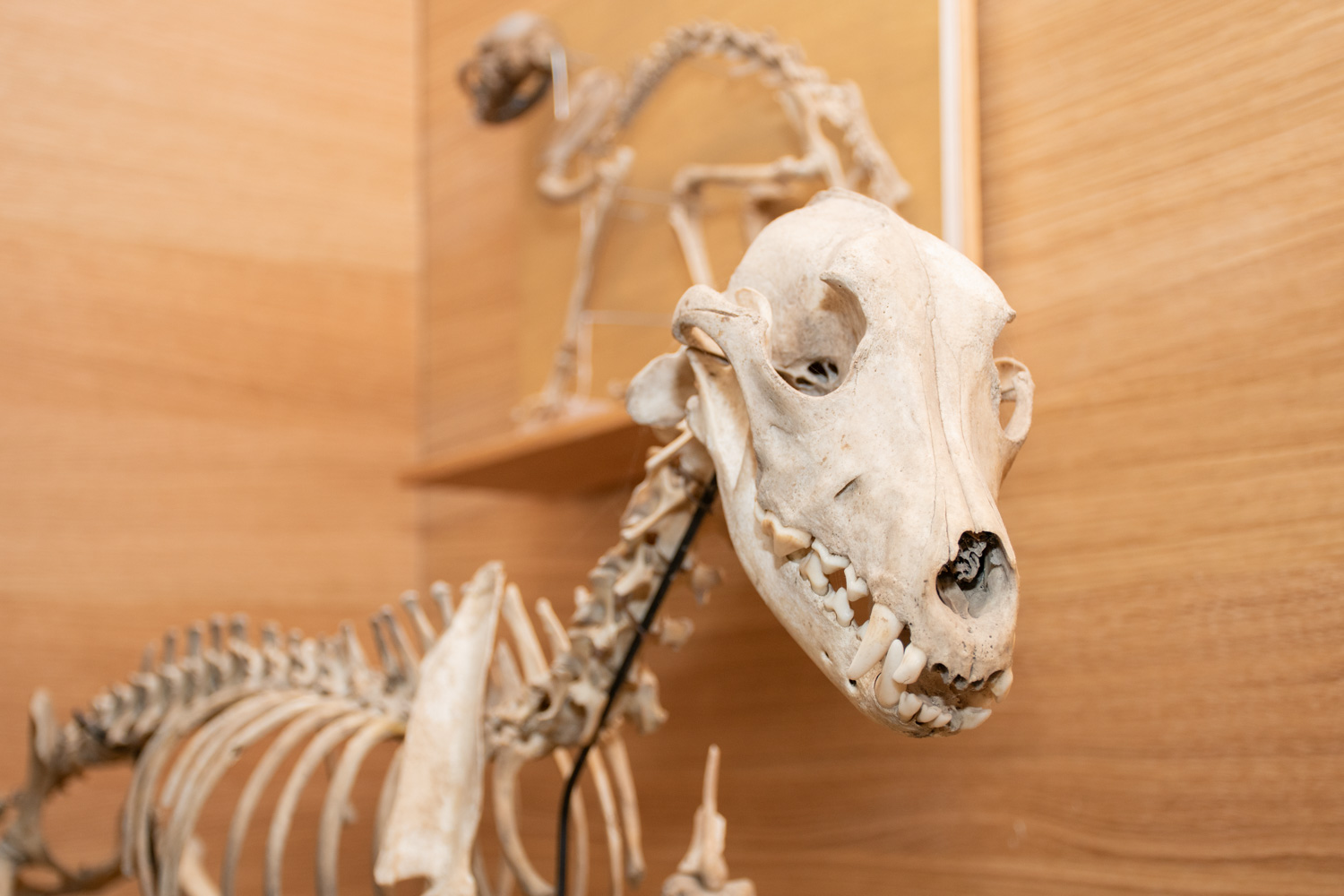
The Aboa Vetus section, Finland’s only archaeological museum, unveils the story of old Turku. Visitors can explore a fascinating underground town quarter, offering a glimpse into centuries of life in the city. Through ongoing excavations on the museum grounds, the collection of archaeological finds continues to grow, shedding new light on Finland’s past. The Bony Tales exhibition showcases these finds – from full skeletons to individual bones. Learn how bones help archaeologists understand ancient life, and try identifying real bones yourself!
The Ars Nova section features high-quality contemporary art exhibitions, showcasing current artists and phenomena. The museum also maintains The Aboa Vetus Ars Nova Foundation Art Collection, which includes a diverse range of works from Finnish and Western art history. The oldest pieces in the collection date back to the late 19th century, while the main focus is on art from the 1950s to the present. The collection expands through new acquisitions and donations, ensuring a dynamic and evolving representation of modern and contemporary art.
Whether exploring the history of ancient Turku or discovering contemporary art, Aboa Vetus Ars Nova provides a unique cultural experience in a beautiful riverside location.
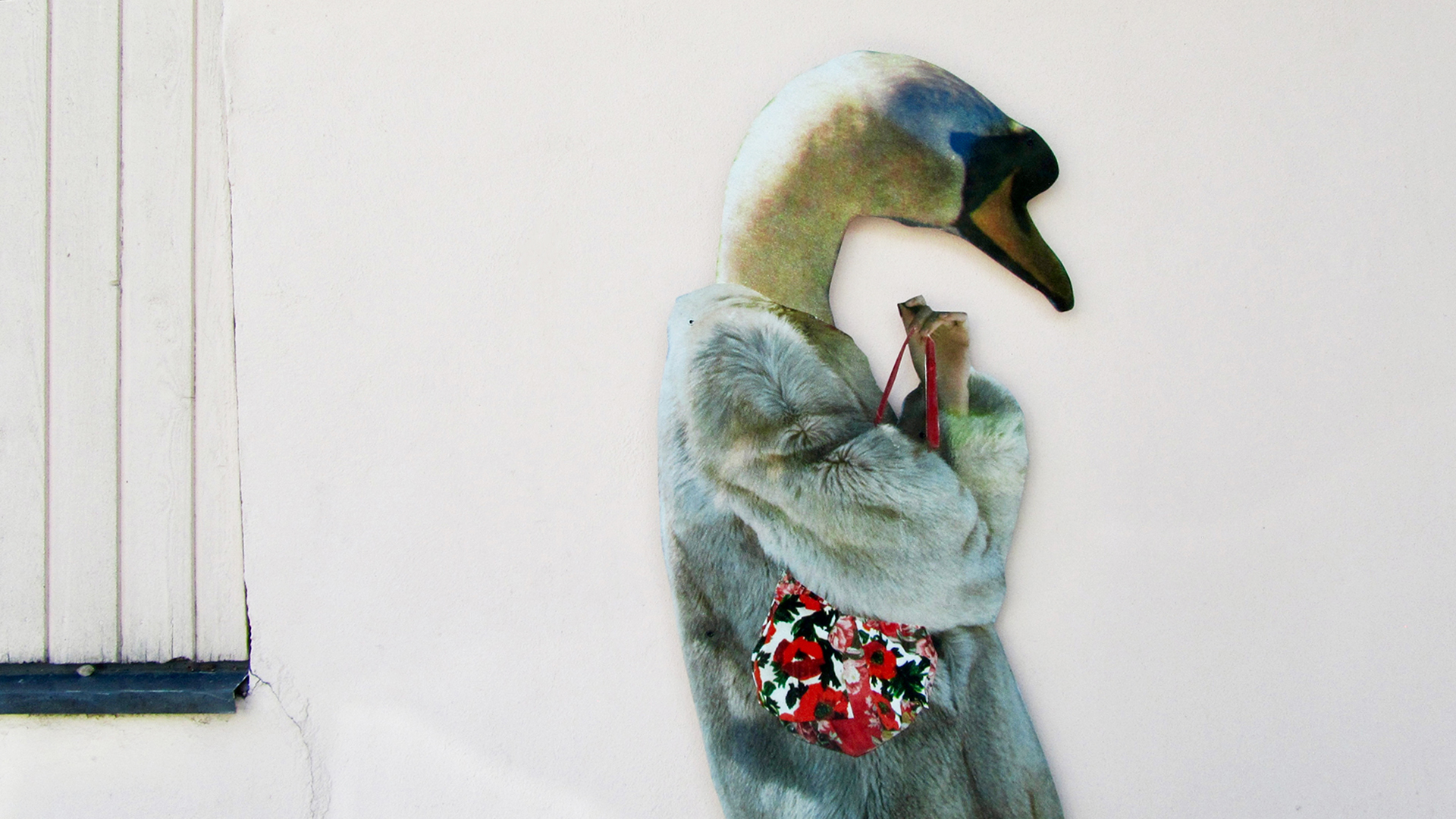
Ilona Niemi: Personae Aboenses 13.6.2026 –
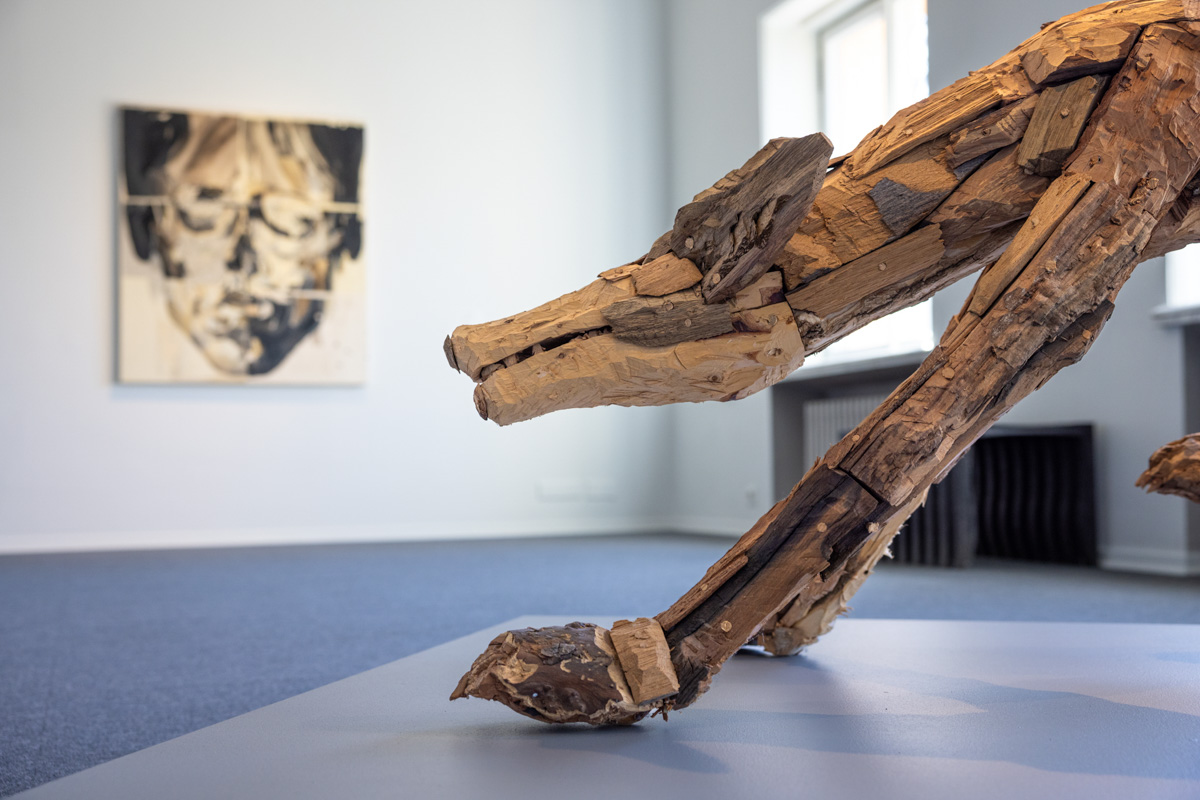
The collage-based series of works, Personae Aboenses, is inspired by people who used to live in the museum area as well as other familiar Turku residents from the 16th century to this day. The large-scale characters combine people, animals and different eras. The public outdoor exhibition is on display indefinitely and can be freely admired from outside the museum.
Encounters – Works from the Collection – ARS NOVA – 17 April 2026 –
Ars Nova’s new collection exhibition of contemporary art Encounters – Works from the Collection opens on 17 April 2026.
Liisi Beckmann – ARS NOVA 2.10.2026–24.1.2027
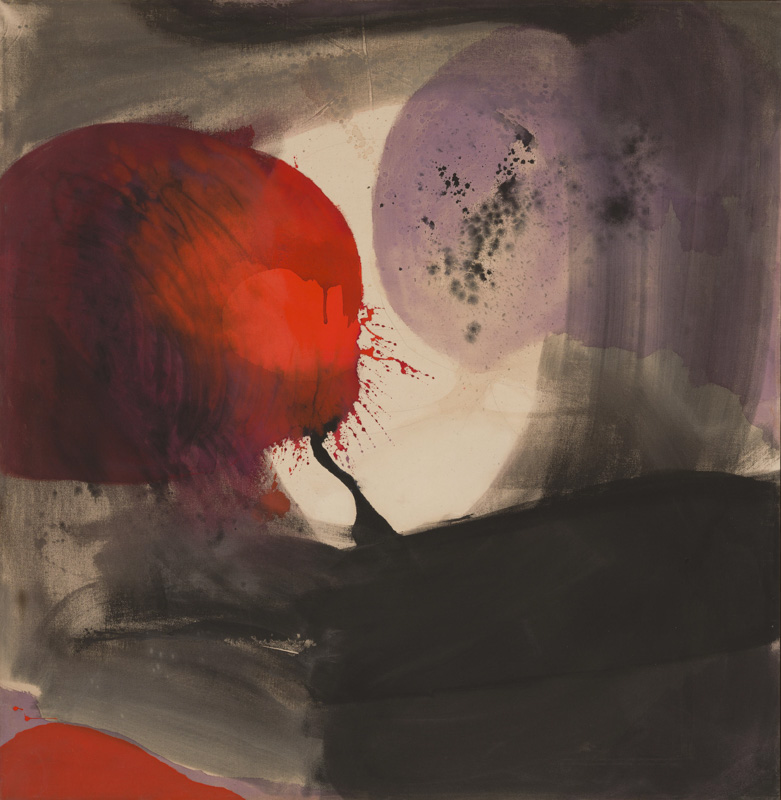
Beckmann was born in Kirvu, Karelia, but spent much of her life abroad. She had a successful career as a designer in Italy during the 1950s–1970s and is known, among other things, for the Karelia chair, which is highly sought after by collectors. Later in life, Beckmann shifted mainly to visual arts. In her artistic production, Beckmann used various recycled materials, fabrics and paper-based techniques. Her art has been exhibited especially in Northern Italy and Germany. In Finland, however, Beckmann’s work is relatively little known. The exhibition at Ars Nova is unique as it is Beckmann’s first solo exhibition in Finland.
WeeGee Exhibition Centre
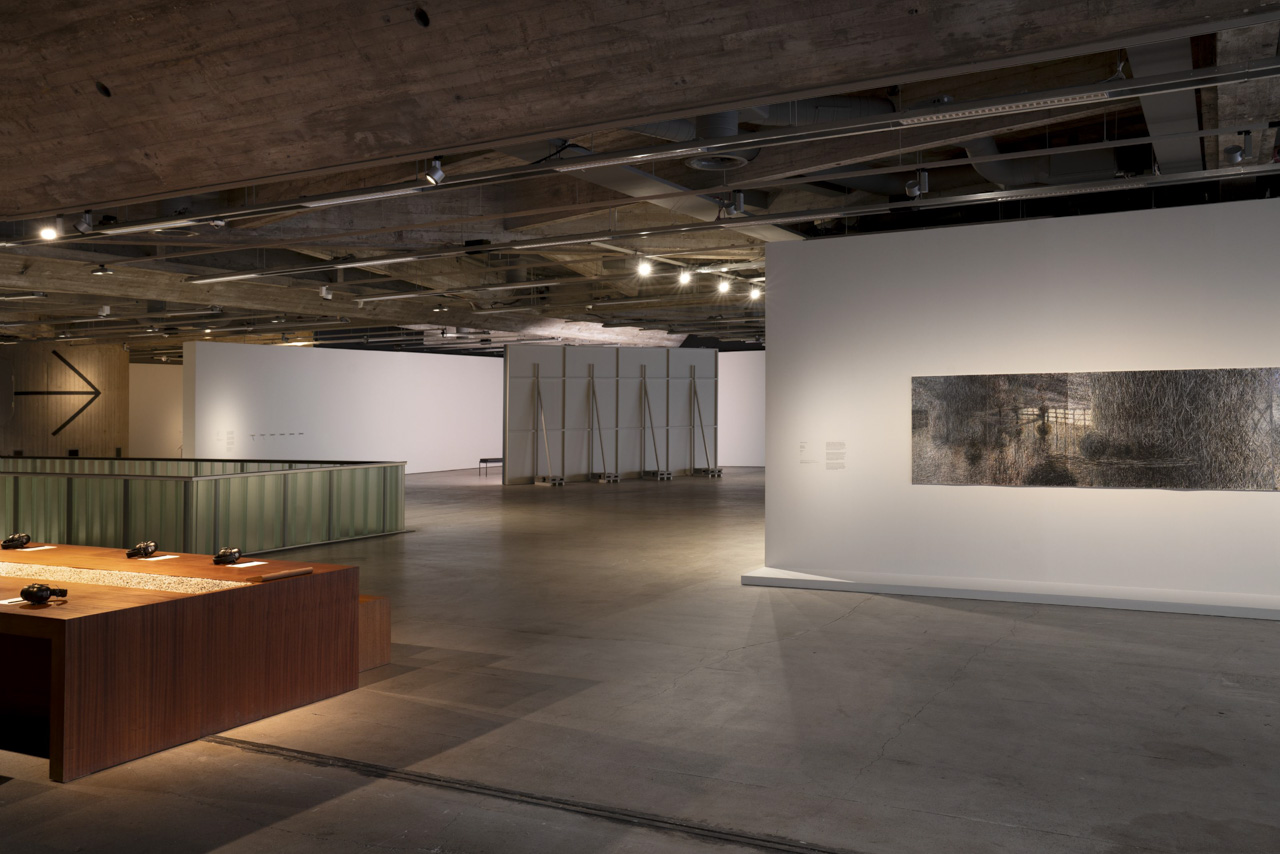
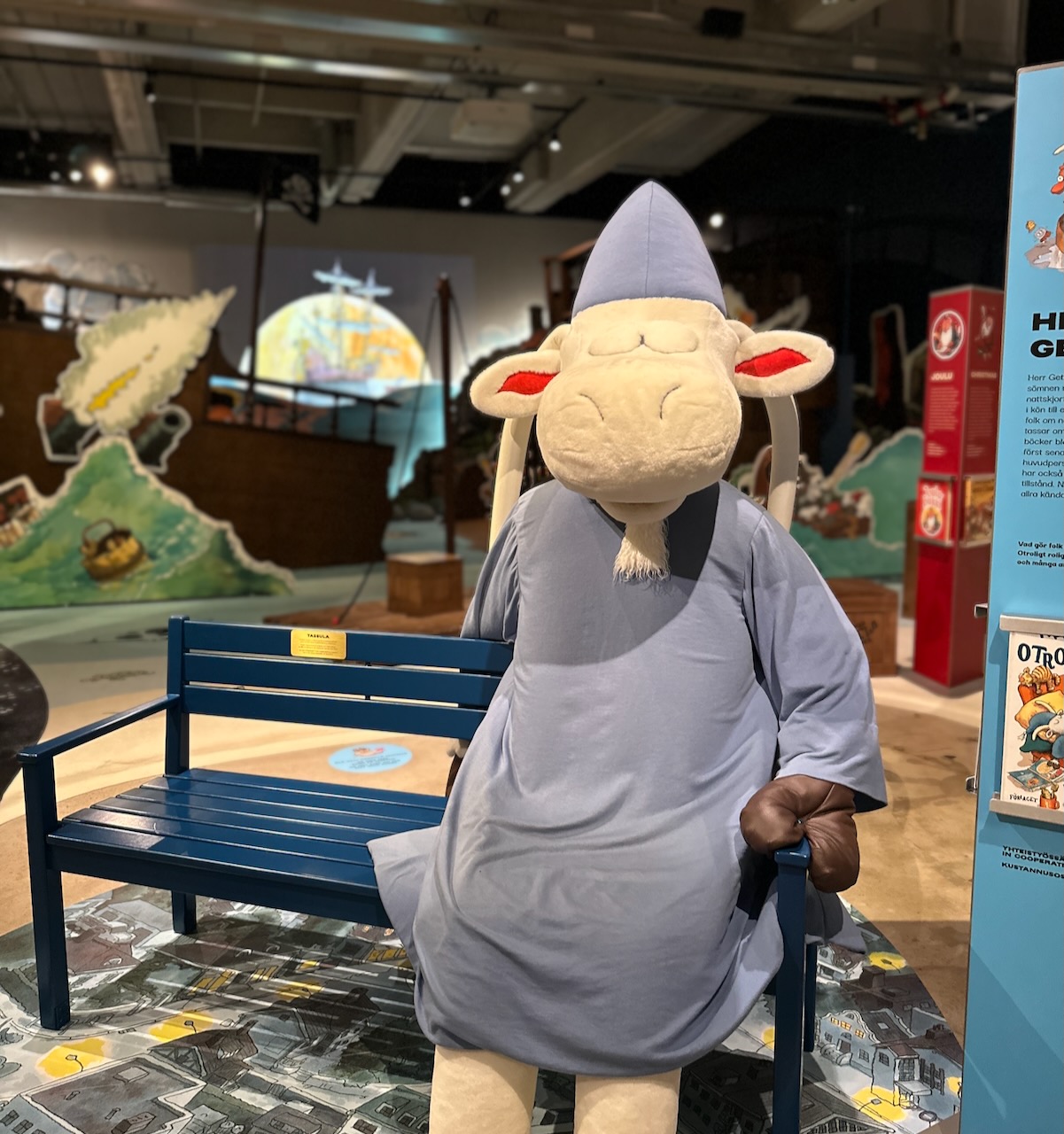
The WeeGee exhibition centre in Tapiola, Espoo, is a versatile hub for museums, exhibitions, and events. WeeGee house is home to EMMA (the Espoo Museum of Modern Art), KAMU (Espoo City Museum), and the Mauri Kunnas Exhibition, as well as Delicatessen WeeGee, and the museum store EMMA Shop. WeeGee operates in the former Weilin&Göös printing house designed by Professor Aarno Ruusuvuori (1925–1992). In WeeGee’s yard the Futuro house, a plastic house designed by architect Matti Suuronen, is open to public from mid-May to mid-September.
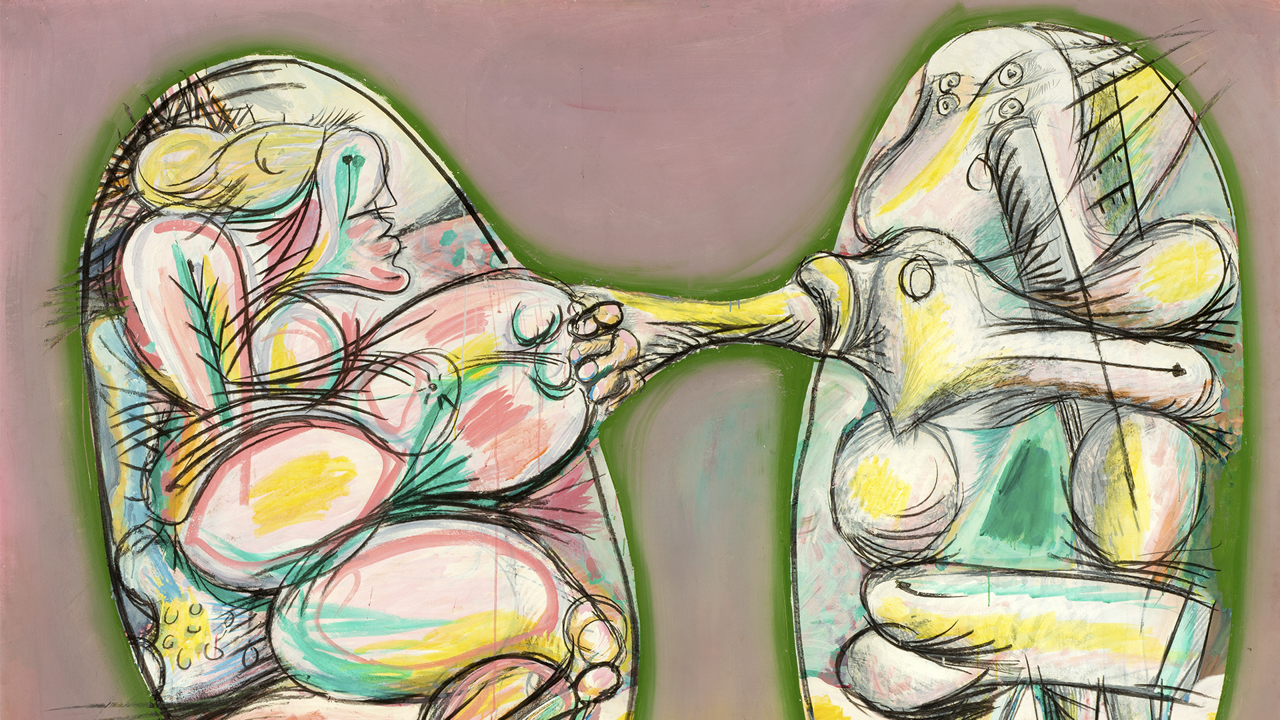
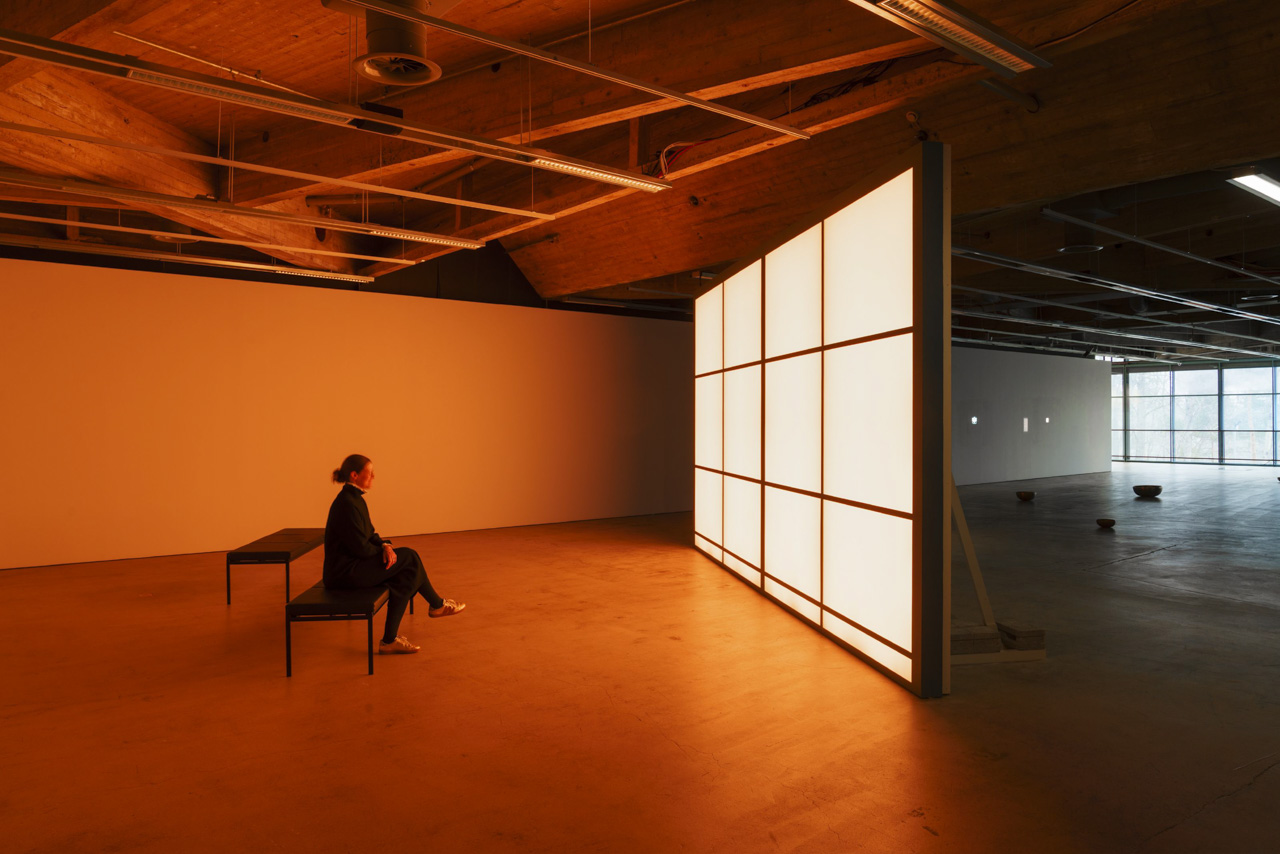
EMMA – Espoo Museum of Modern Art is one of the most important art museums in Finland. The largest in Finland in terms of surface area, EMMA’s spacious premises and minimalist modern architecture provides an inspirational backdrop for presenting modern and contemporary art and design. In addition to changing exhibitions, part of the collections of Collection Kakkonen, Saastamoinen Foundation, and the Tapio Wirkkala Rut Bryk Foundation are on permanent display at EMMA.
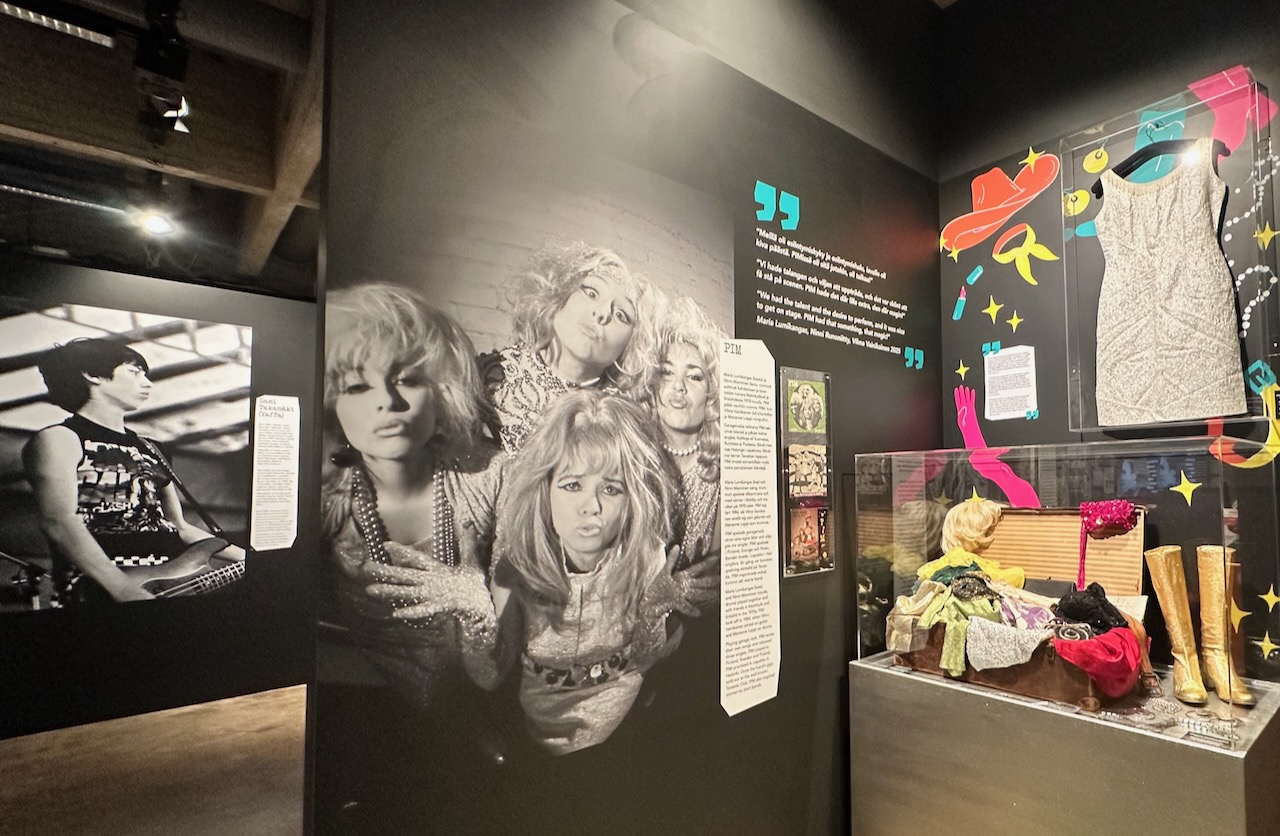
KAMU – Espoo City Museum is a cultural history museum. It features an exhibition about the history of Espoo, KAMU’s current exhibition “Feel the Noise – Rock and Youth Culture in Espoo” showcases youth culture from the 1970s to the present day. In the exhibition Feel the Noise you will find music, the spirit of youthful doing and togetherness. You can dance disco, play pinball, and experience glimpses of the 1970s and 80s as well as today.
Exhibitions at EMMA 2026:
Howard Smith: Retrospective 1965–2010 – 05.09.2026 – 07.02.2027
The retrospective exhibition of Howard Smith (1928–2021) presents the versatile career of a well-loved and distinctive artist. The exhibition pays tribute to his open-minded visual expression and his influence on the Finnish art and design scene. Originally from New Jersey, Smith became known for his curious approach to art. His extensive career resembled a continuous journey of exploration into the possibilities of different materials, forms and technique
In Search of the Present: On Rootlessness – 14.03.2026 – 07.02.2027
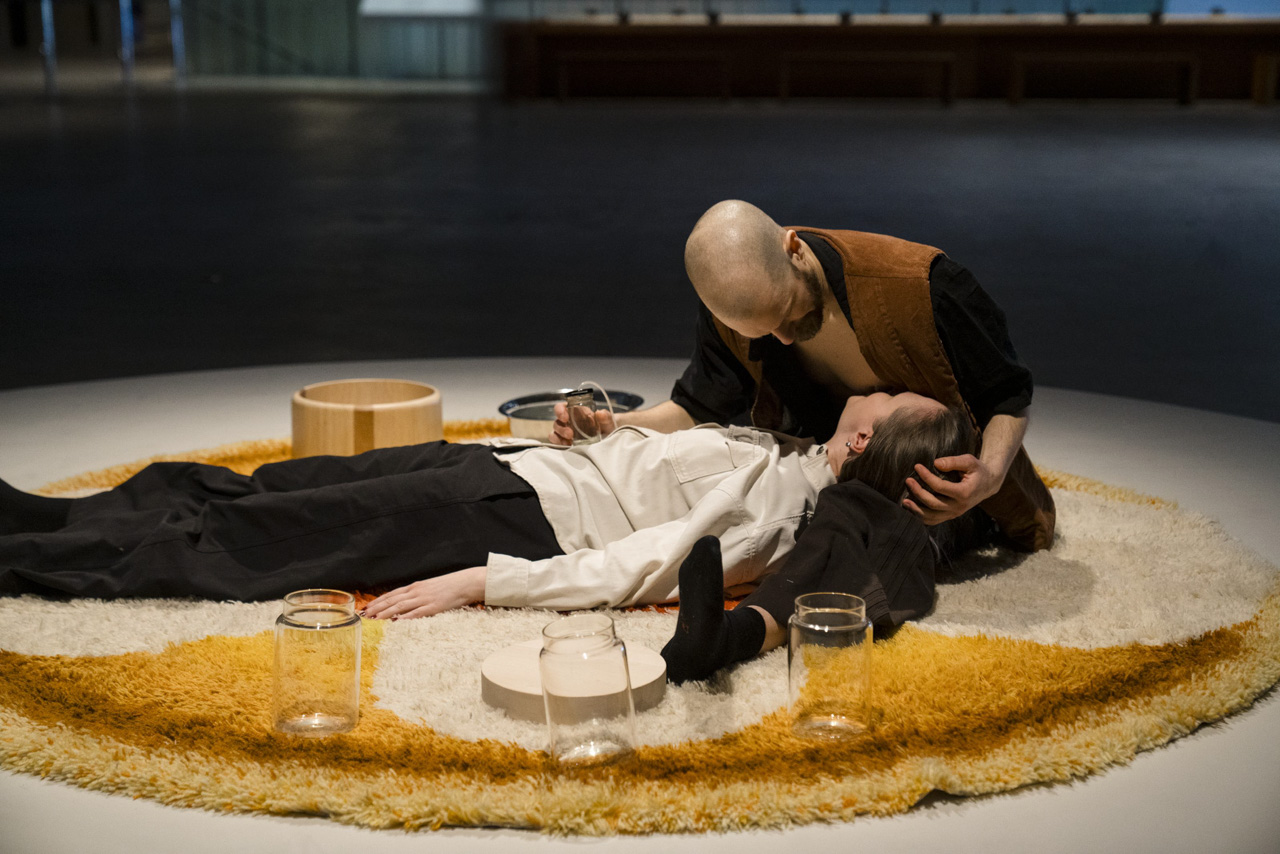
In Search of the Present: On Rootlessness is an exploration of the now, an invitation to be present both in time and in place. The exhibition delves into art’s ability to ground us, even when the world we inhabit is in constant motion. The exhibition celebrates EMMA’s 20th anniversary year and features works by Marina Abramović, Haruka Kashima, Kimsooja, Tarik Kiswanson, Germaine Kruip, Ken Matsubara, Lydia Ourahmane, Helen Pashgian, Jani-Matti Salo, Danh Võ, WAUHAUS x Reality Research Centre, Ian Wilson and Maaria Wirkkala.
12.02.2025 – 14.03.2027 – Draped – Art of Printed Fabrics
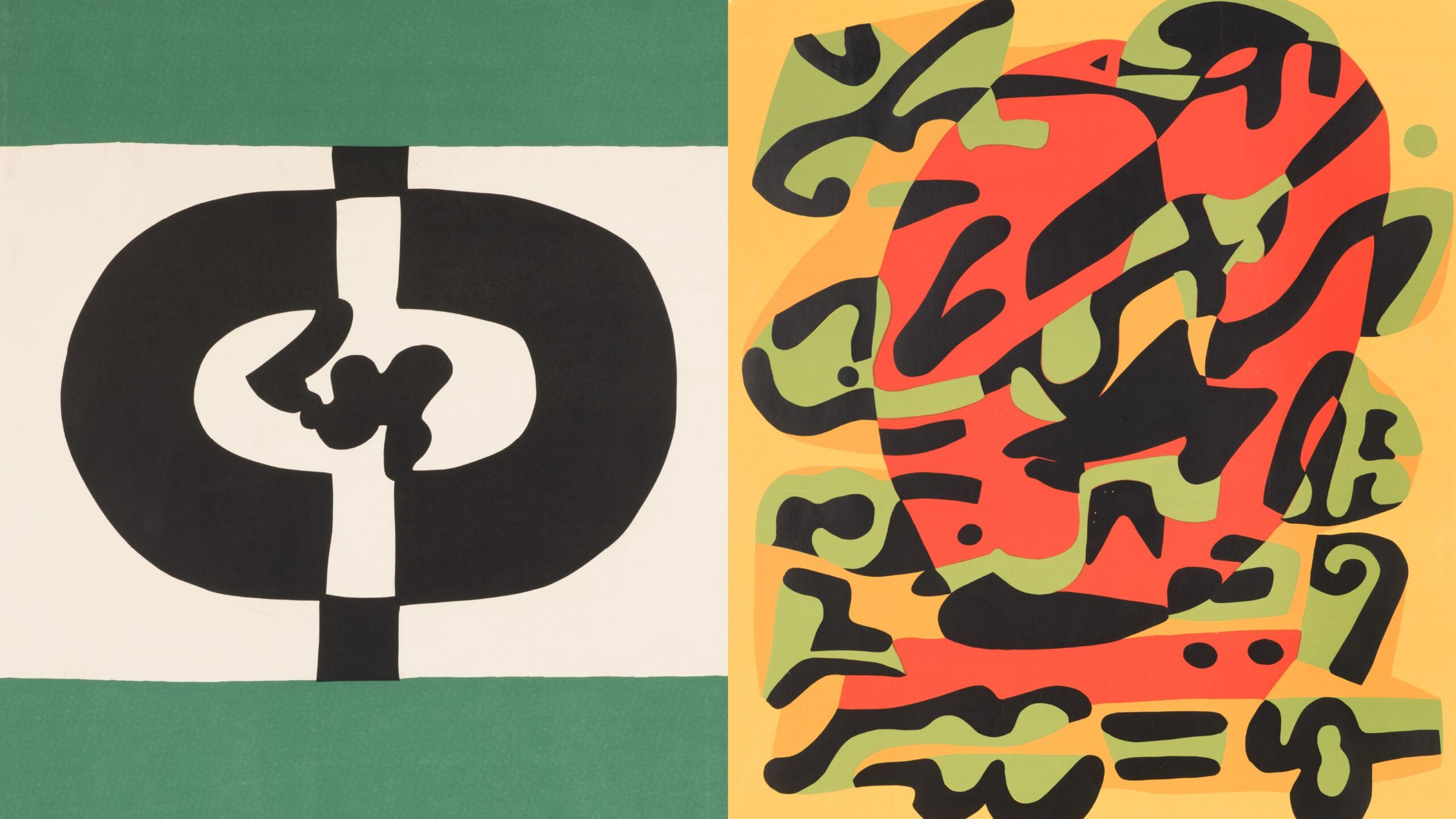
Draped – Art of Printed Fabrics exhibition will wrap EMMA’s exhibition galleries in vibrant colours and fascinating patterns of printed fabrics. The exhibition highlights printed fabrics by exceptional artists since the 1930s, and views them through the lens of art.
Serlachius: A Unique Blend of Art, History, and Nature
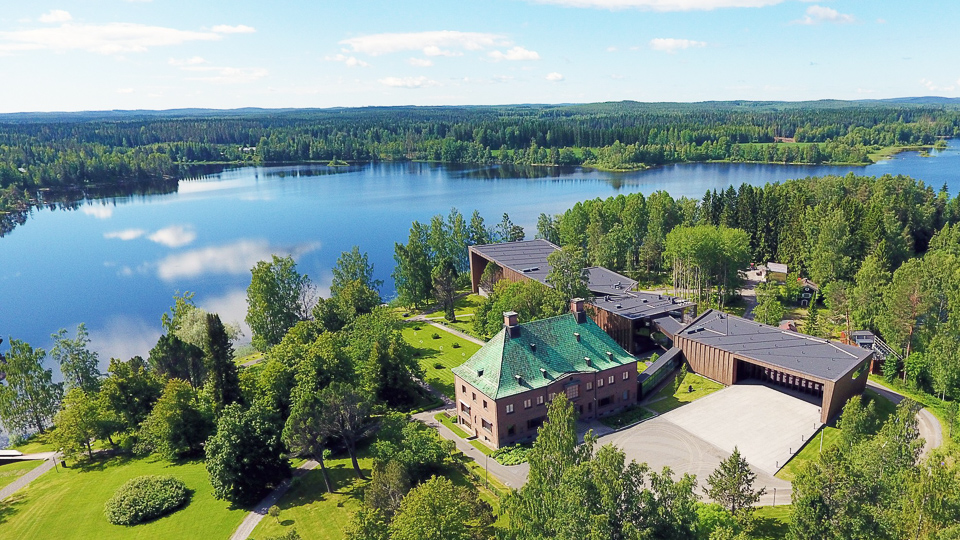
Serlachius offers an array of exciting experiences, just an hour’s drive from Tampere! Located in Mänttä, the Serlachius museums provide a unique blend of art, history, architecture, and exceptional culinary and sauna experiences amidst Finland’s stunning lake district. Just 3 km apart, the two museums form a cultural haven: one set in serene parklands by the lakeshore, home to the acclaimed Serlachius Art Sauna, and the other in the heart of Art Town Mänttä, combining award-winning contemporary architecture with historic charm.
Serlachius is a vibrant meeting place for those who appreciate high-quality art and storytelling. The museums host a variety of exhibitions, showcasing contemporary art, masterpieces from Finland’s Golden Age, and historic European works. In the summer, visitors can wander through a sculpture park and explore an art-filled island.
Enhance your visit with soft activities like Nordic walking, berry picking, or cycling. Relax with a forest stroll or a guided tour to learn about Finnish nature and culture. The museums also allow visitors to borrow bicycles, Nordic walking poles, and, during the summer season, rowing boats too! Other conveniences include two museum shops where you can pick up a unique gift or souvenir.
For a unique wellness experience, the Art Sauna offers public sauna days every Tuesday, immersing visitors in art, design, and stunning architecture. Food enthusiasts can indulge at Restaurant Gösta, known for its pure flavors and ranked among the best museum restaurants in Europe.
For easy access, the museums offer Train & Taxi packages tailored for visitors using public transportation. On Tuesdays (€37), enjoy a seamless journey that combines art, history, and relaxation at the Art Sauna. On Saturdays (€31), experience a cultural adventure with transfers between the two museums. Both packages include shared taxi transfers to and from Vilppula railway station and entrance to all exhibitions. Please note, train tickets are not included.
Classic Works of Fine Art
On display are classic works from the Golden Age of Finnish art and early Finnish modernism from Gösta Serlachius Fine Arts Foundations collections. The old manor home also presents old European master paintings from Holland, Italy and Spain.
Anish Kapoor 27.06.2026 – 04.04.2027
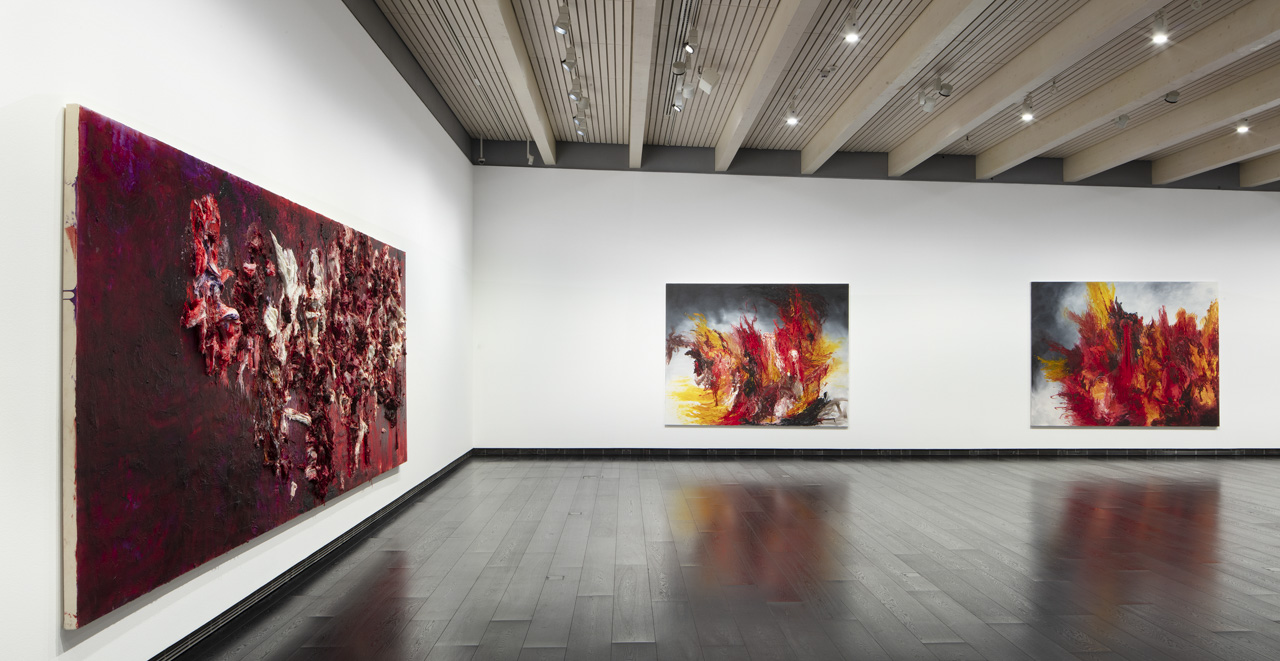
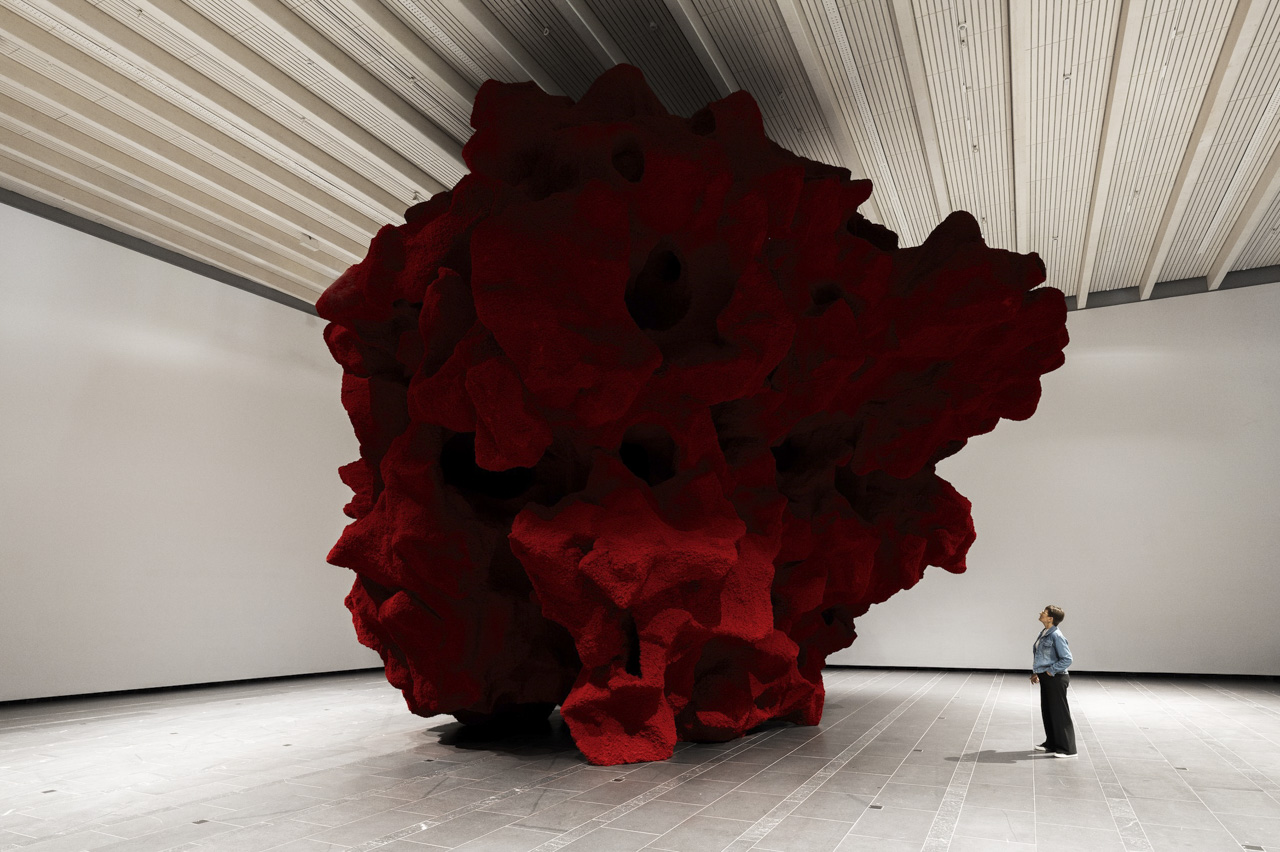
Anish Kapoor, one of the world’s leading contemporary artists, evokes eternal questions with a monumental new sculpture, non-objects and paintings. Kapoor is renowned for his bold, sensual sculptures that hold a dynamic relationship with the viewer in the spaces they inhabit and create. Utilising an ever-growing lexicon of materials, his art can be eye-catchingly beautiful, rough in its physicality, or almost immaterial and seemingly untouched in its formation.
On Foot – 26.09.2026 – 21.02.2027
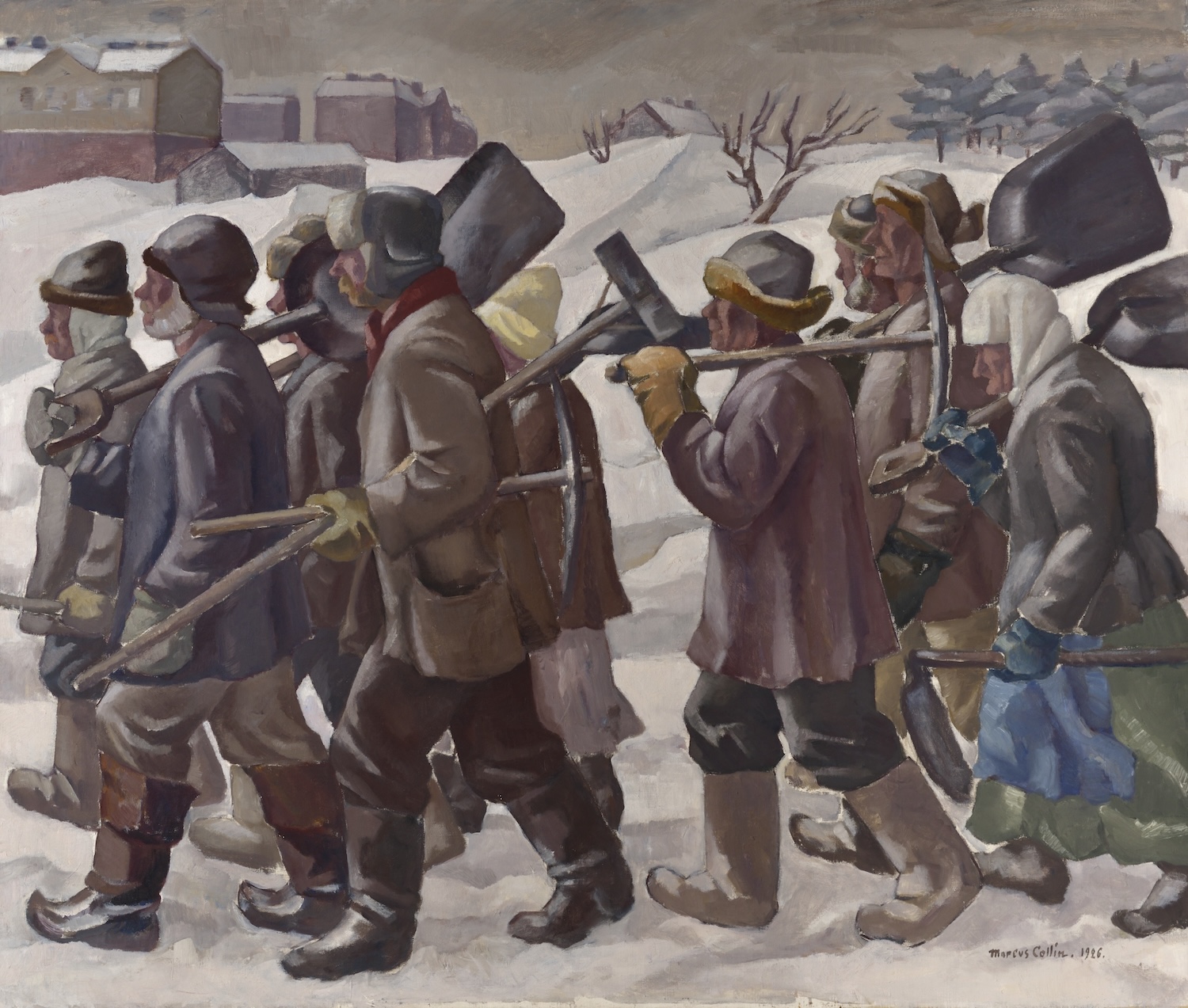
An exploration of walking in arts, culture and science from the 1800s to the present day. Walking connects every aspect of human experience – the purposeful stride back home after a hard day’s work, a brief stroll for fresh air, the struggle against environmental forces, the walk towards a possible death, even death itself walking – at least in an artwork. On Foot presents the first comprehensive examination of walking in a Finnish museum to trace how artists and scientists over two centuries have found this in most fundamental activity.
Patrons – The story behind the Serlachius Art Collection, Serlachius Headquarters
Behind the Serlachius art collection is a fascinating story that intertwines art, history, architecture, forest and Finnishness.
Kunsthalle Helsinki
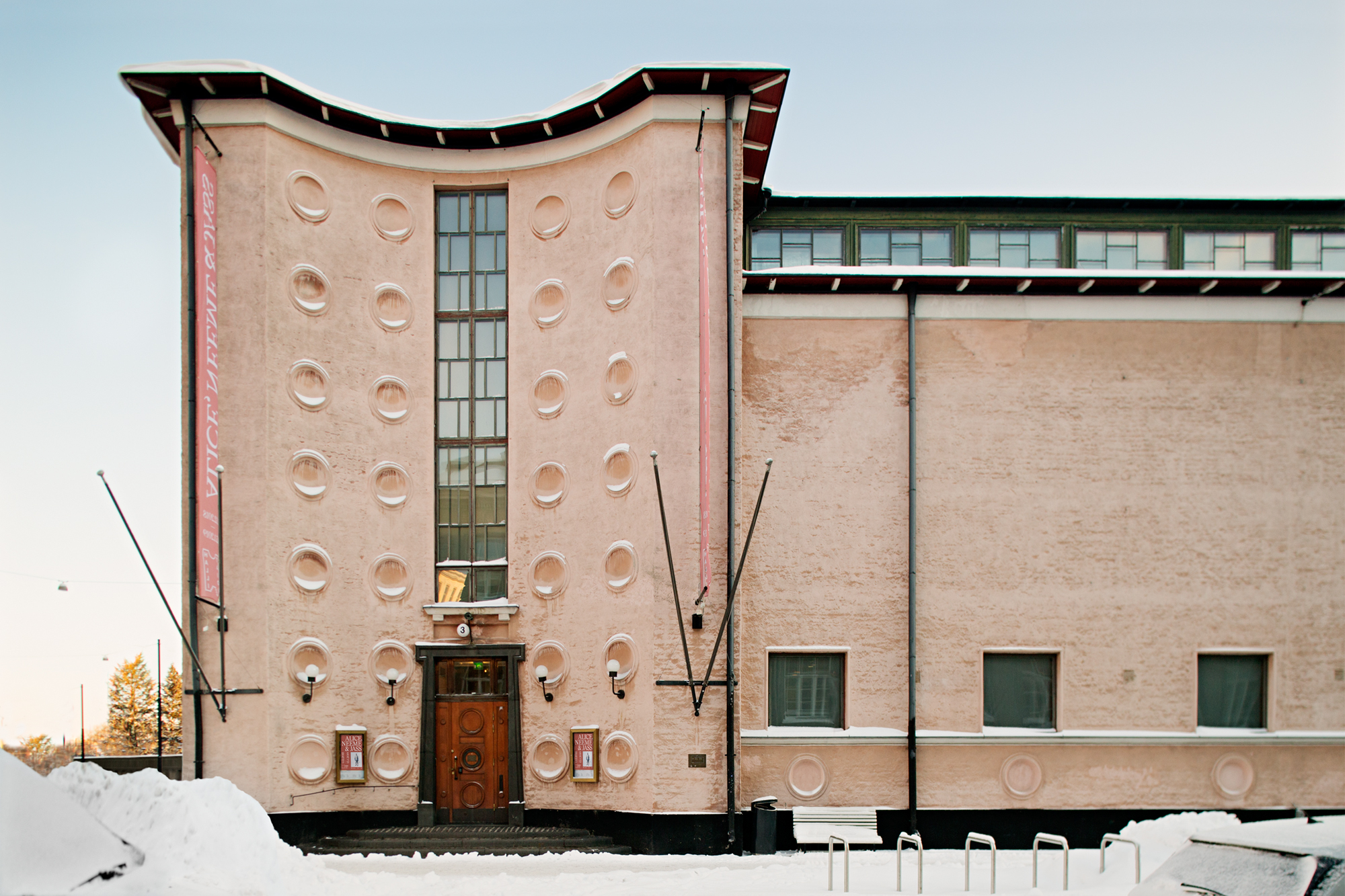
Located in the heart of Helsinki, Kunsthalle Helsinki (Taidehalli) has been a cornerstone of Finnish and international art since 1928. Housed in one of the city’s most elegant exhibition spaces, this historic venue brings bold contemporary art into dialogue with architecture, design, and society, offering visitors a refined yet approachable cultural experience. For anyone exploring Finland’s art museums, Kunsthalle Helsinki stands out as a place where long-standing traditions meet confident contemporary thinking. The museum is worth a visit even for its distinctive architecture alone. The building is one of Finland’s finest examples of 1920s neo-classicism.
Kunsthalle Helsinki is best known for its ambitious programme of temporary exhibitions, presenting both cutting-edge contemporary artists and influential modern classics from Finland and around the world. While contemporary art forms the core of its exhibition programme, the Kunsthalle also regularly showcases design and architecture, reflecting Finland’s strong visual culture and interdisciplinary traditions. Each year, the gallery produces approximately five to seven carefully curated exhibitions, ensuring a dynamic and ever-changing visit experience.
Kunsthalle Helsinki‘s mission is to invite people to explore art as a lens through which life, society, and the world can be experienced in new ways. By giving space to new voices, emerging phenomena, and unexpected perspectives, the Kunsthalle encourages visitors to form a personal and meaningful relationship with art, one that may surprise, challenge, or delight.
Alia Ali: In Light of… 20.8. – 1.11.2026
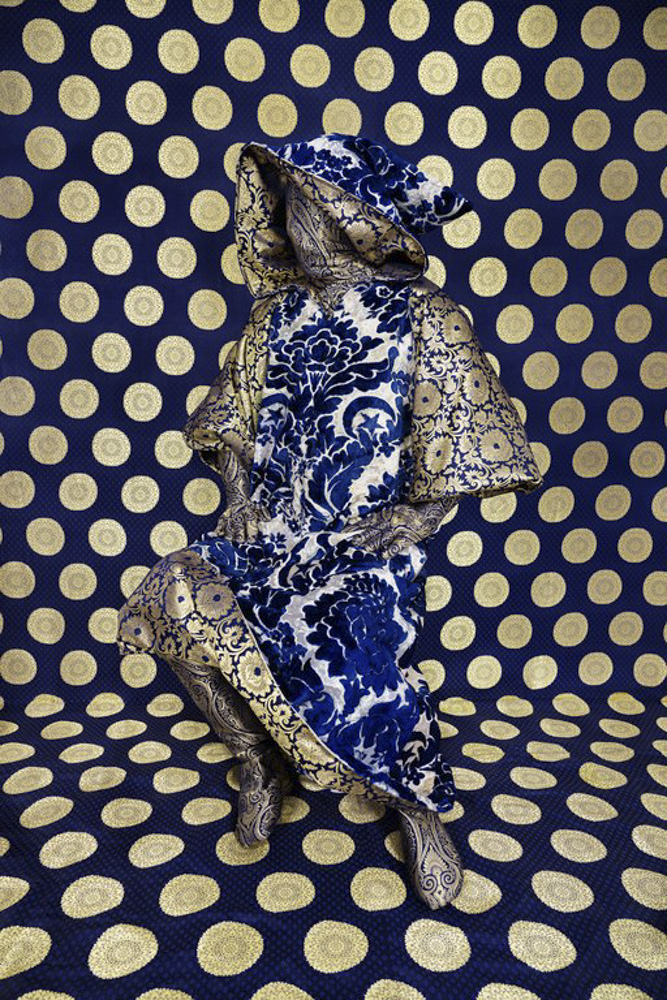
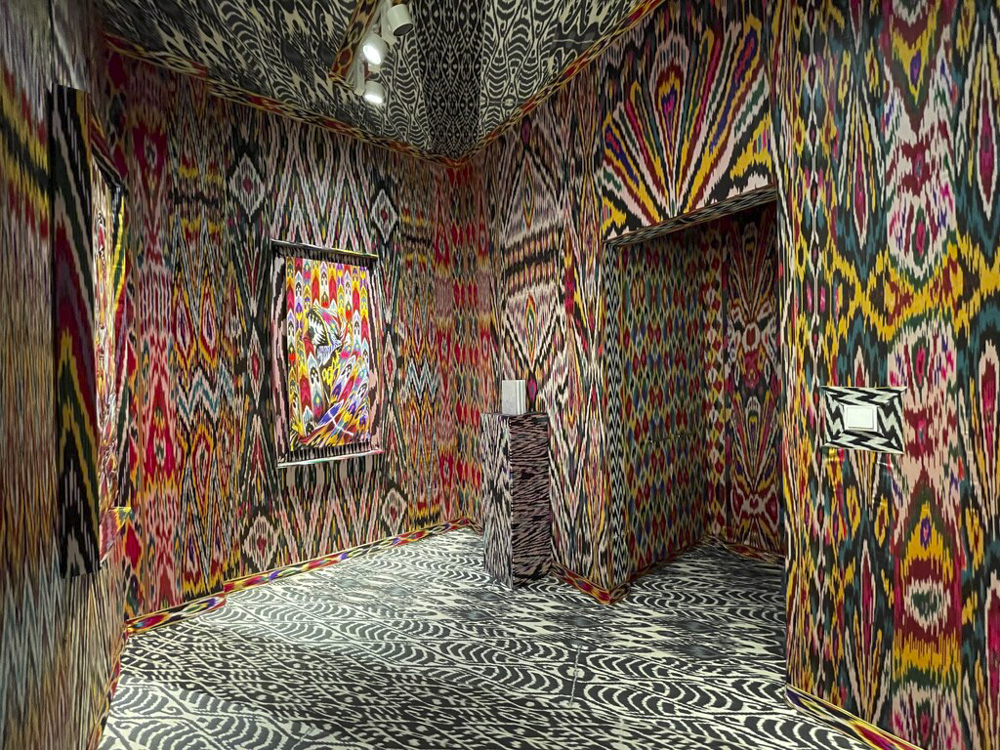
In Light of… is the first solo exhibition in the Nordic region by internationally acclaimed artist Alia Ali. The immersive presentation unfolds as a rich weave of patterns, symbols, and narratives. The exhibition is organized in cooperation with the Helsinki Festival. Alia Ali’s works celebrate collectivity, connectivity, and the circulation of ideas across cultures and geographies. A fully upholstered room immerses visitors in the history of and craft traditions of batik. The new body of work Homage presents sculptural garments.
Jiri Geller’s Perfect World – 21.11.2026 – 10.1.2027
This extensive retrospective presents works spanning Geller’s entire career, from its early steps in the late 1990s to recent developments. The exhibition features several large-scale sculptural installations, including the God Says No escalator, The Big Time tidal wave, and Battle of the Worlds, which invites visitors into a twisted game of table football. The newest works draw inspiration from the animal kingdom, all bearing Geller’s signature touch. Several mechanically operated sculptures are also included.
The Sinebrychoff Art Museum: A Showcase of European Masterpieces
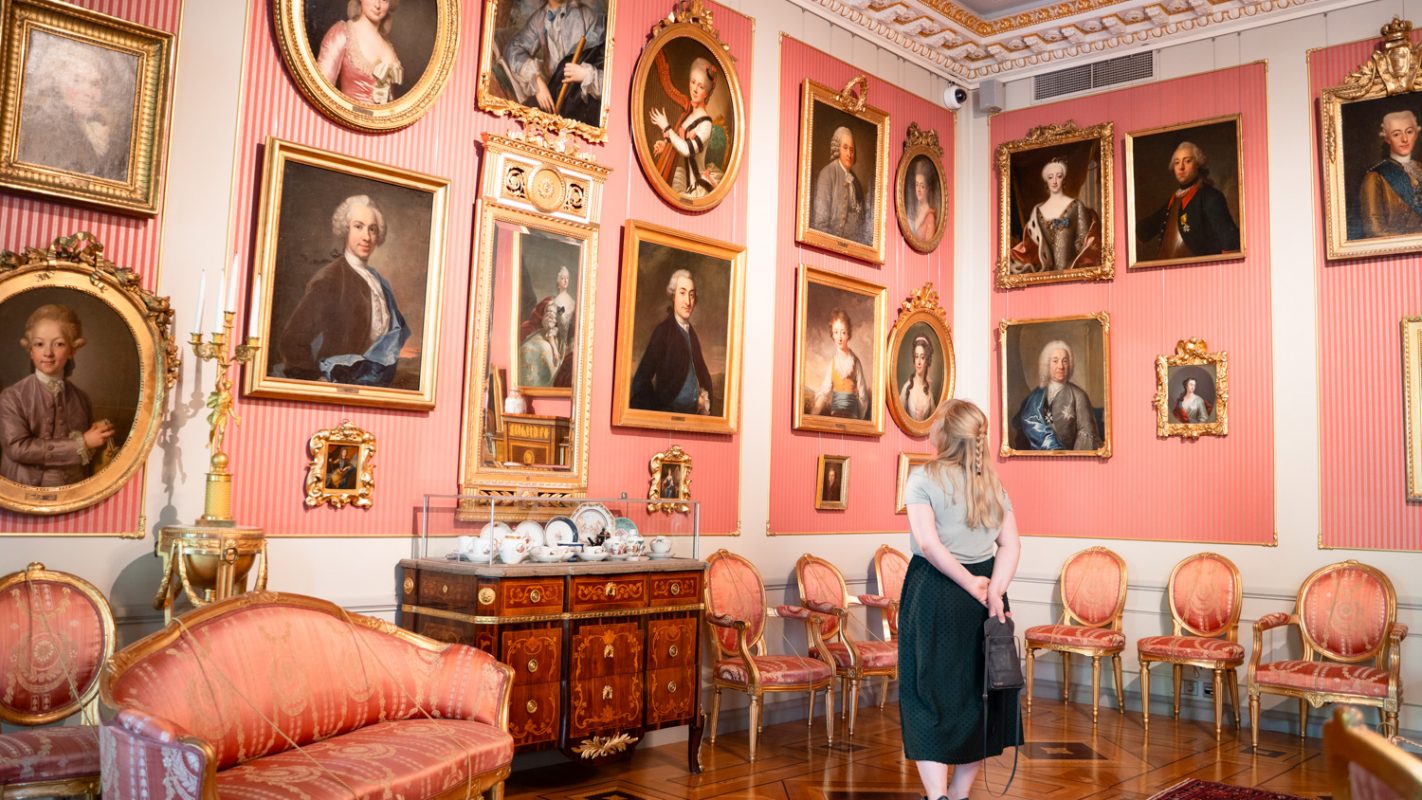
The Sinebrychoff Art Museum presents the National Gallery’s distinguished collection of European masterpieces, spanning the 14th to the 19th century. From exquisite Swedish portraiture to breathtaking Dutch, Flemish, Italian, and French masterpieces, the museum brings centuries of artistic brilliance to life. Highlights include Finland’s only Rembrandt painting, The Reading Monk, and the country’s largest collection of miniatures.
At the heart of the museum is the Paul and Fanny Sinebrychoff Home Museum, which is on permanent display on the second floor of the building. Their elegant home, meticulously preserved, provides a rare glimpse into aristocratic life—plus, entry is completely free.
Located on Bulevardi, between Hietalahdentori Square and Sinebrychoff Park, the museum is just 1.4 km from Helsinki Central Station—a must-visit for art lovers in the heart of the city.
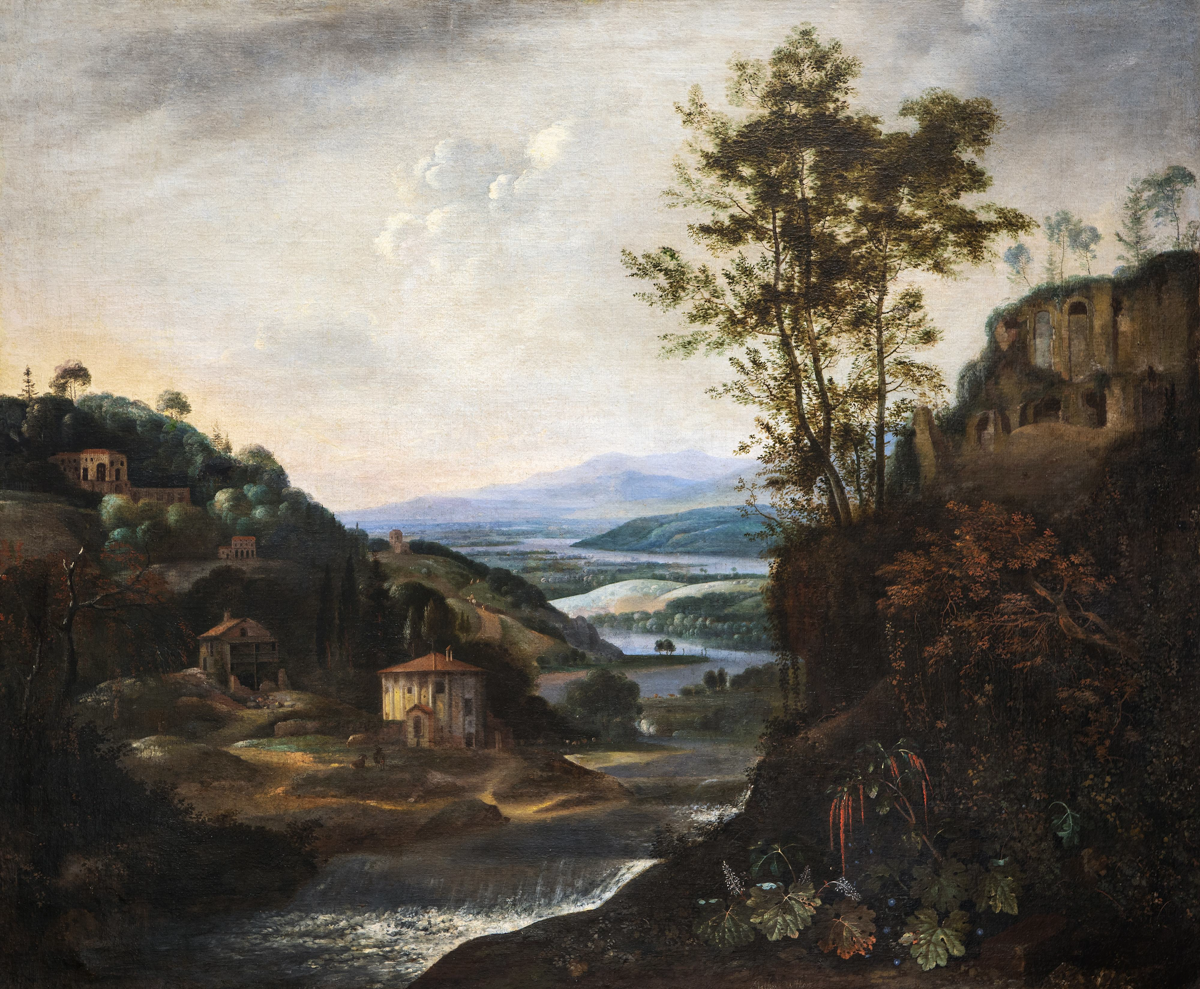
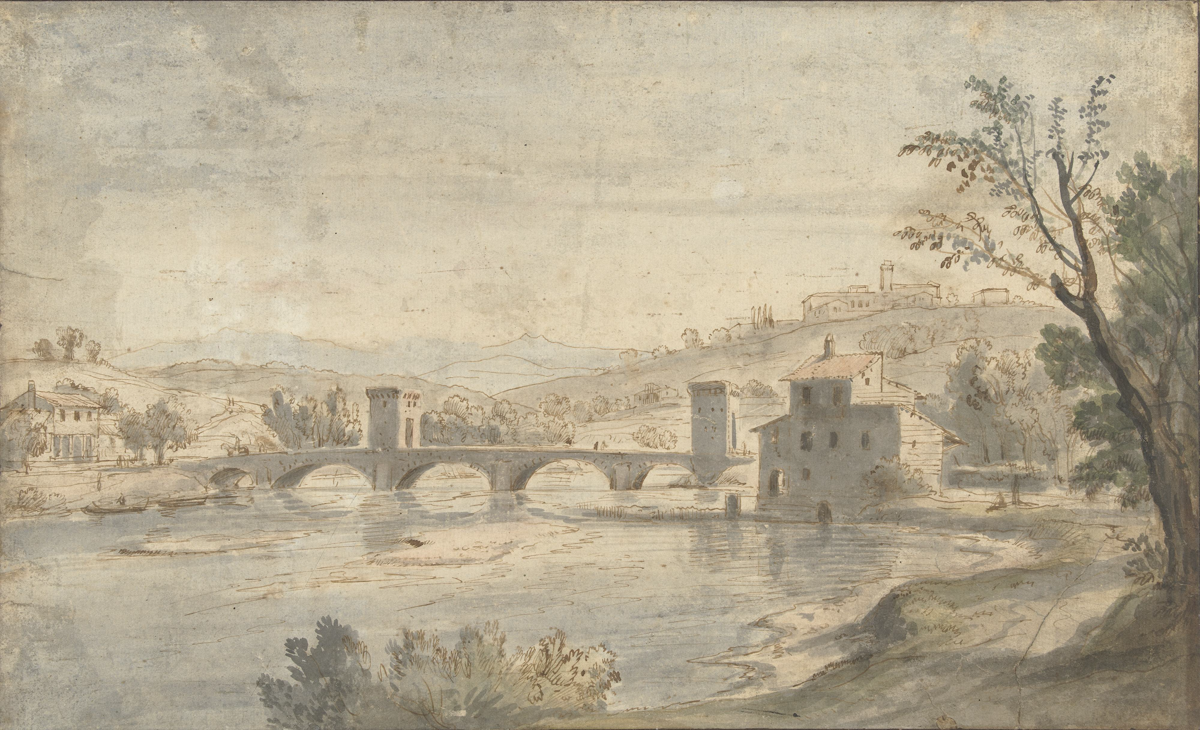
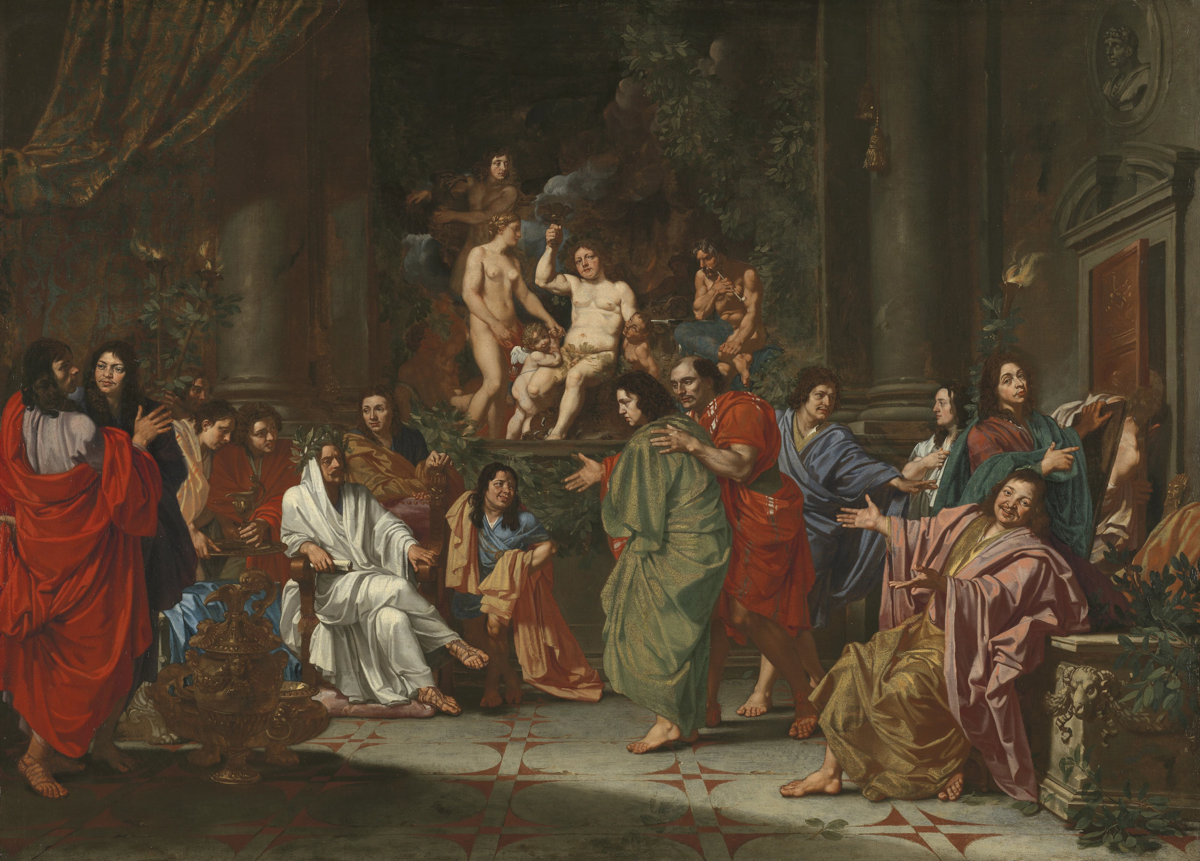
The Peacock in the Garden – Mathias Withoos and Rome – 24 September 2026–10 January 2027
explores the work of Dutch painter Mathias Withoos (1627–1703) and the vibrant community of Dutch and Flemish artists known as the Bentvueghels, which he joined while living in Rome. His years in Italy had a lasting influence on his art, particularly his landscapes and distinctive still lifes filled with abundant plants and lively undergrowth. The exhibition looks at the friendships, artistic exchange and sense of community that shaped Withoos and his contemporaries, while revealing how the landscapes, art and atmosphere of Rome inspired a generation of Northern European artists.
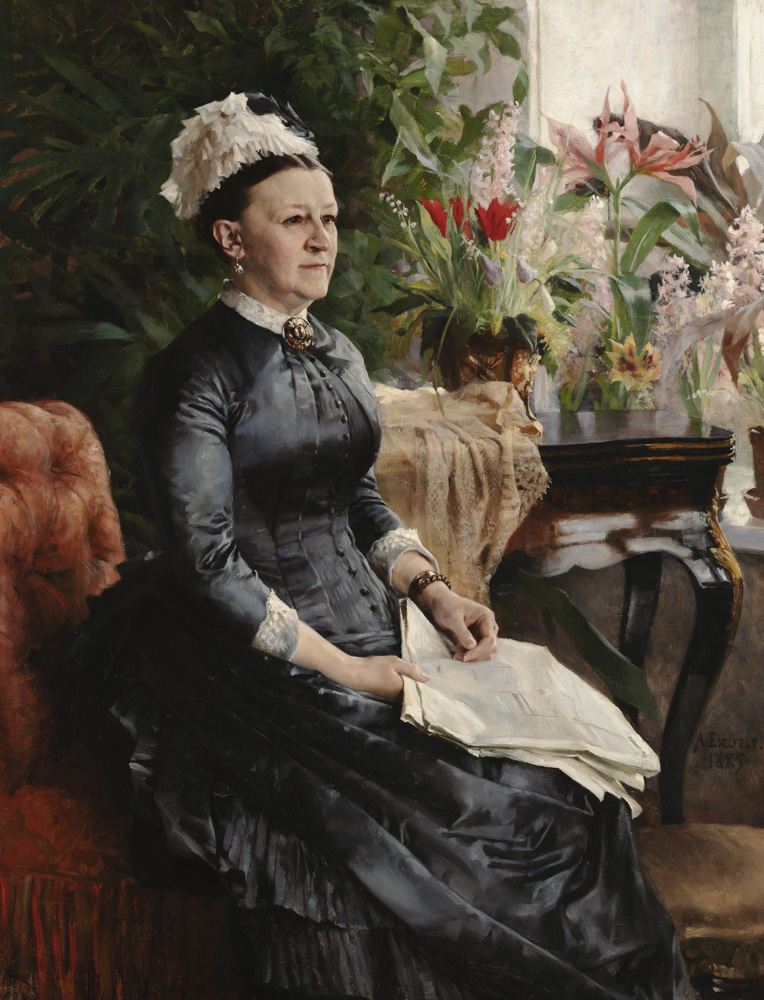
Anna Sinebrychoff – Ahead of Her Time
Anna Sinebrychoff (1830–1904) was an exceptional woman who ran one of Finland’s most successful businesses, the Sinebrychoff Brewery, at the end of the 19th century. She was aware of her own influence and used it single-mindedly as chair of the company’s board, in Helsinki’s social circles, and in charity work. Her life is closely bound up with the Museum’s own history. She lived in a grand apartment in this building on Bulevardi for more than 50 years, leaving her children a sizable financial and psychological legacy.
Turku Art Museum
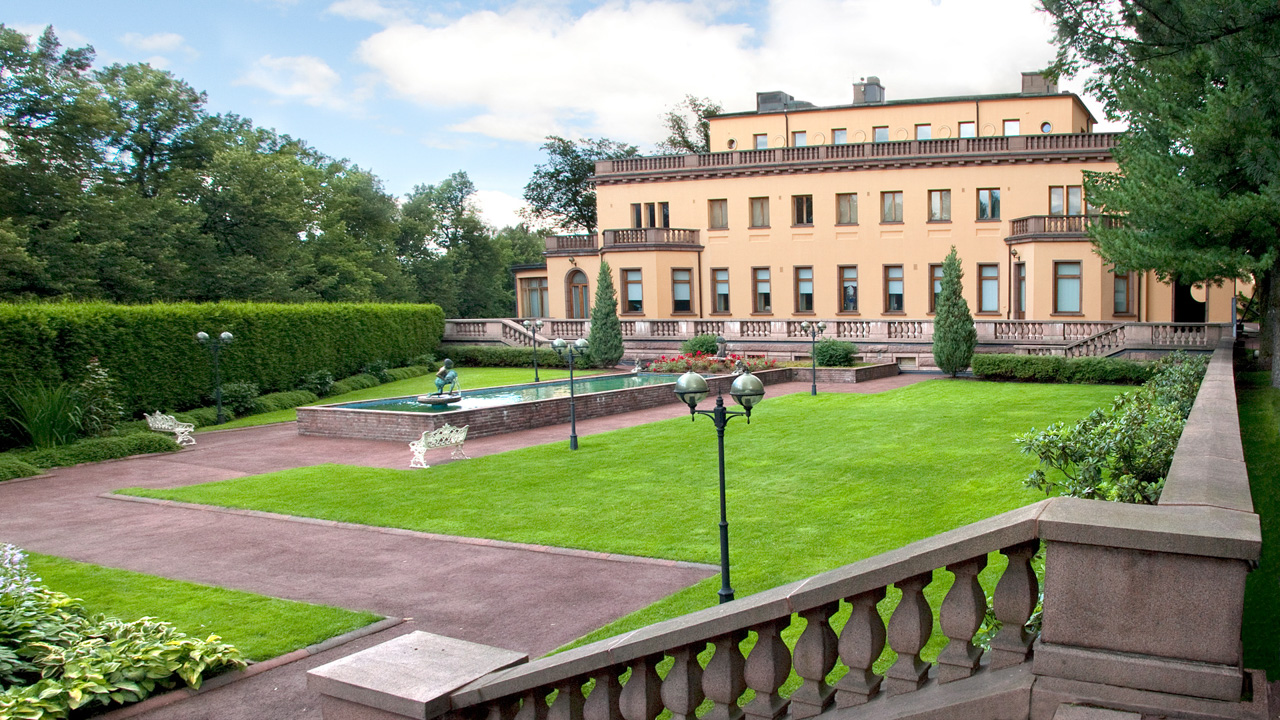
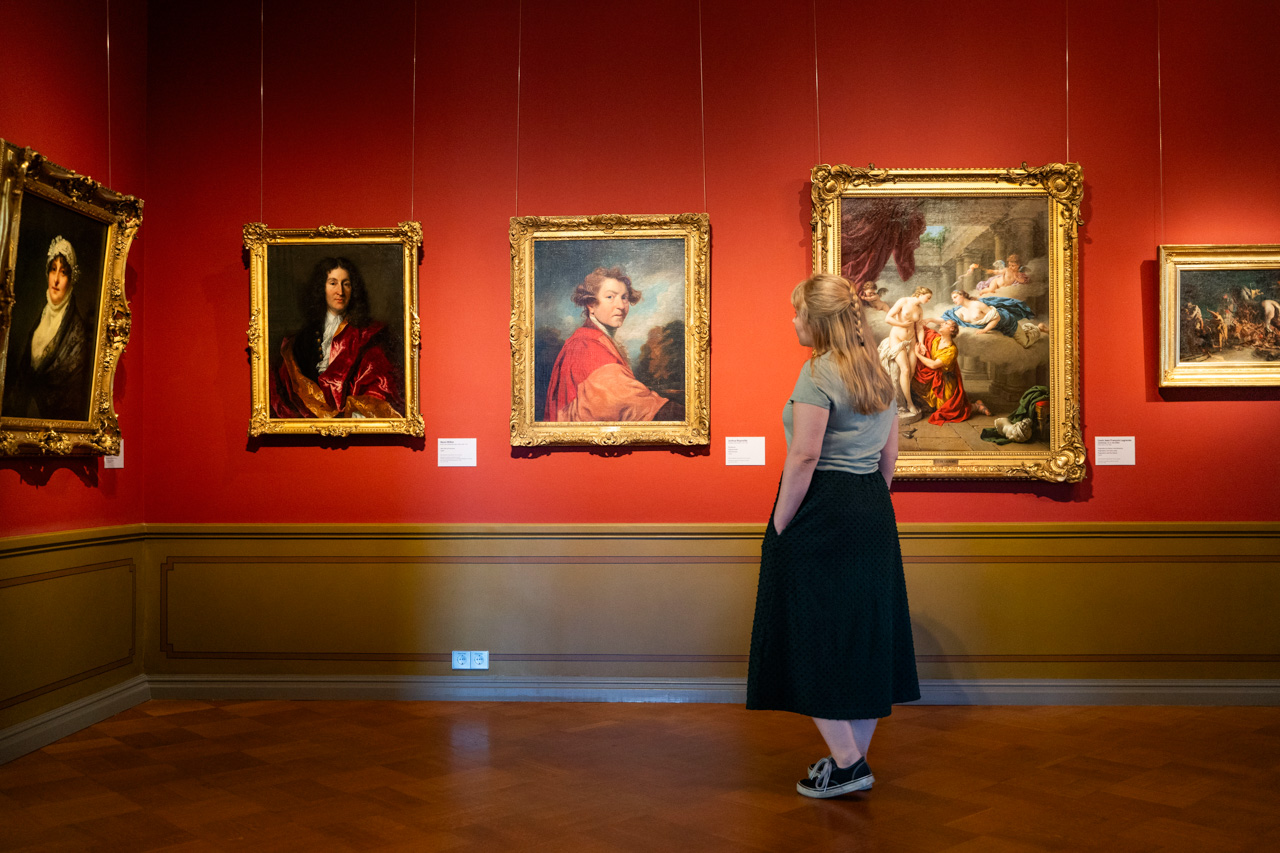
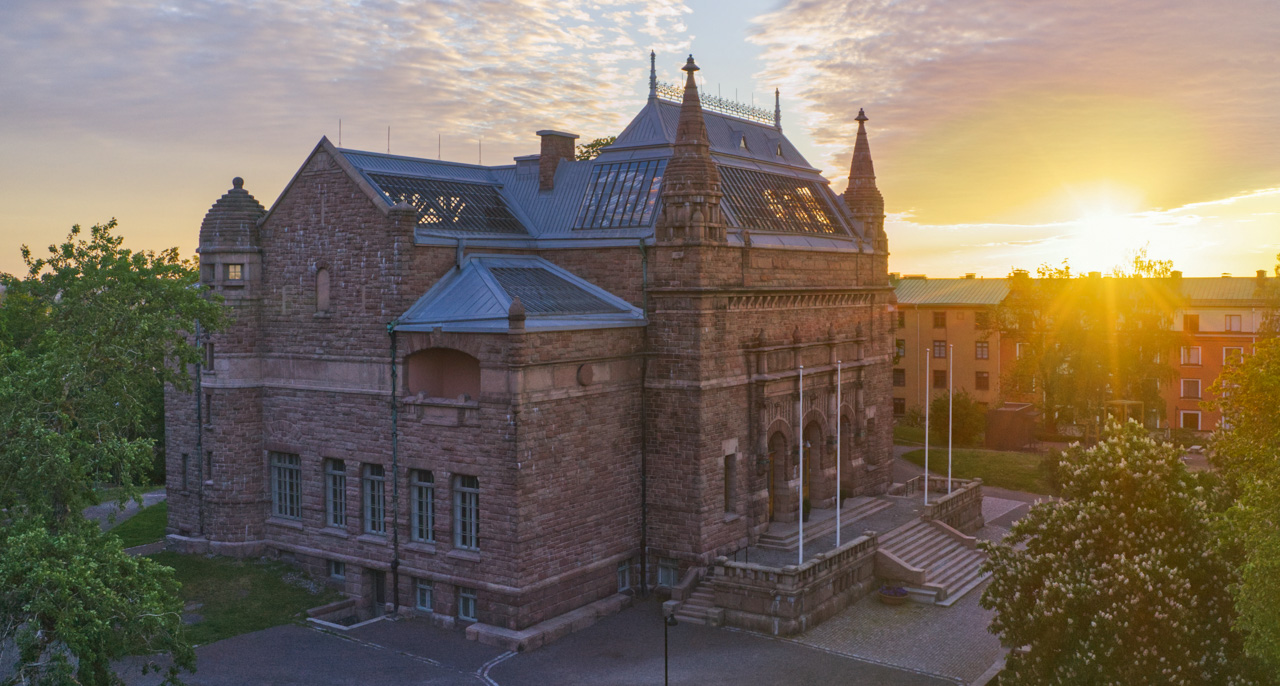
Located right in the heart of Turku, in scenic Puolalanpuisto park, the Turku Art Museum has played a significant role in Finnish art life since 1904. The granite building of Turku Art Museum, designed by professor Gustaf Nyström, is a fine example of the national romantic style and has been chosen as the most beautiful building in Turku and a popular attraction on its own.
Turku Art Museum’s versatile exhibition program introduces visitors to the fascinating world of art, from iconic pieces to the very latest contemporary artworks. Alongside its rich exhibition programme, the museum also stages events presented in a beautiful setting that invites interaction and relaxation. You can stop by the atmospheric Café Victor for a coffee, and in the summer one of the city’s most stunning terraces offers a view over the city.
The museum’s collection focuses on Finnish and Nordic visual art. The collection is especially known for the golden age of Finnish art, Finnish surrealism and pop art, as well as self-portraits. Today, the museum’s collection includes almost 7,600 works, and part of the collection is constantly on display in the museum’s changing collection exhibitions.
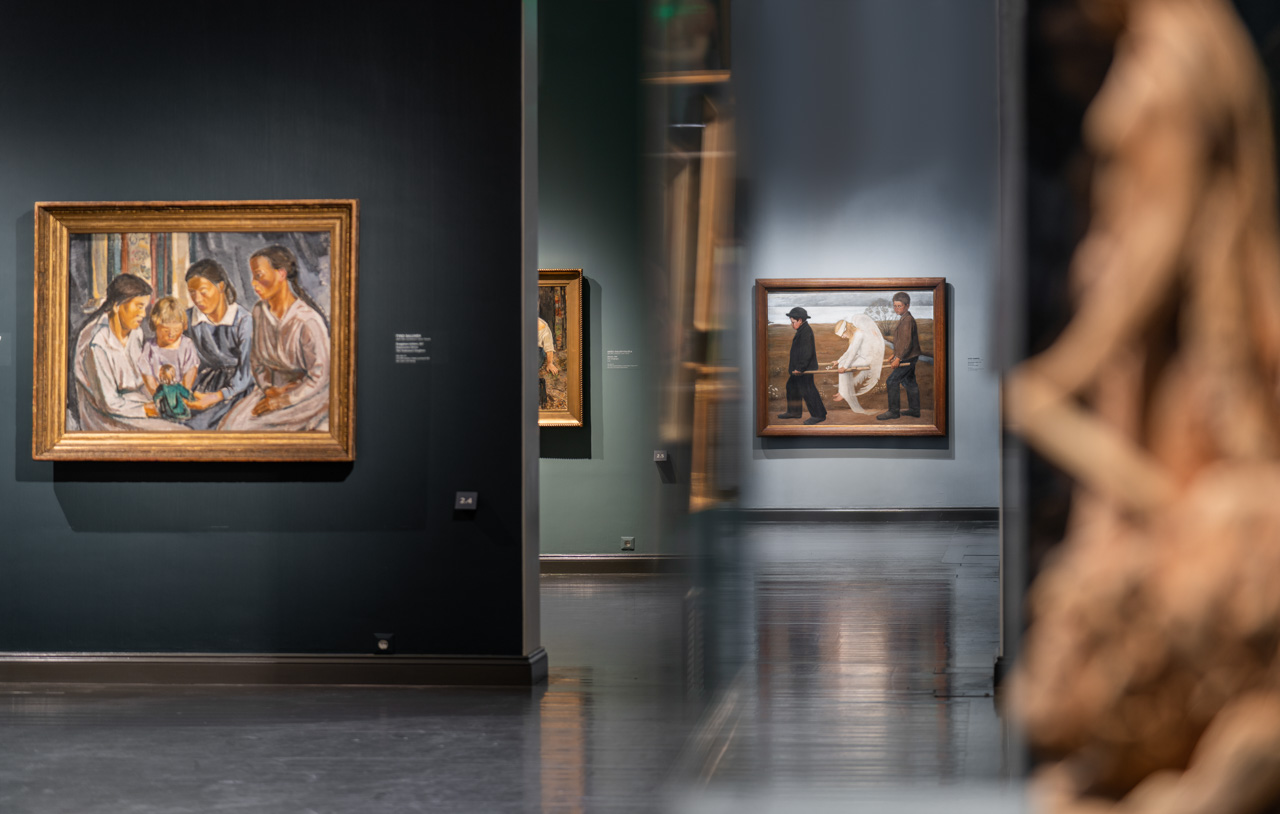
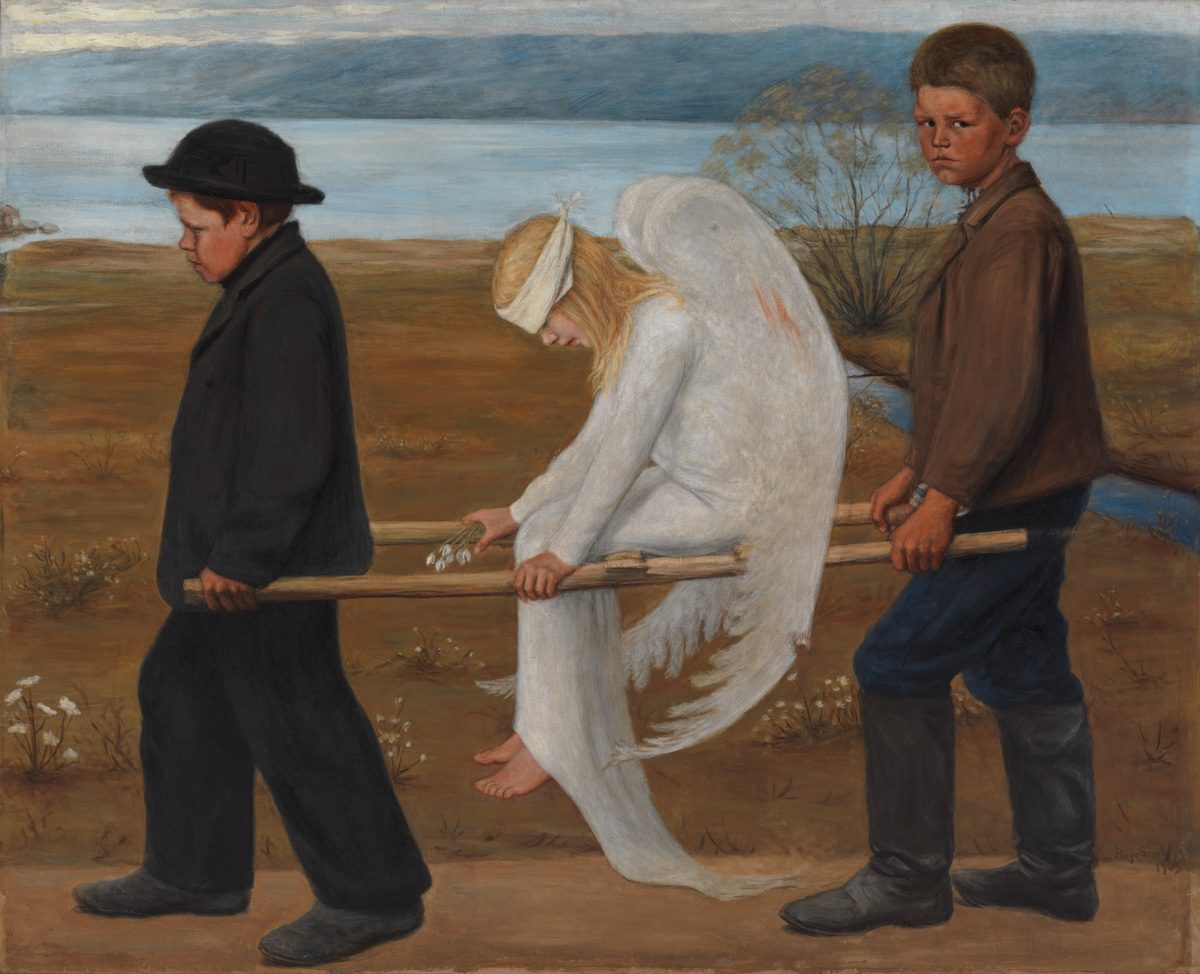
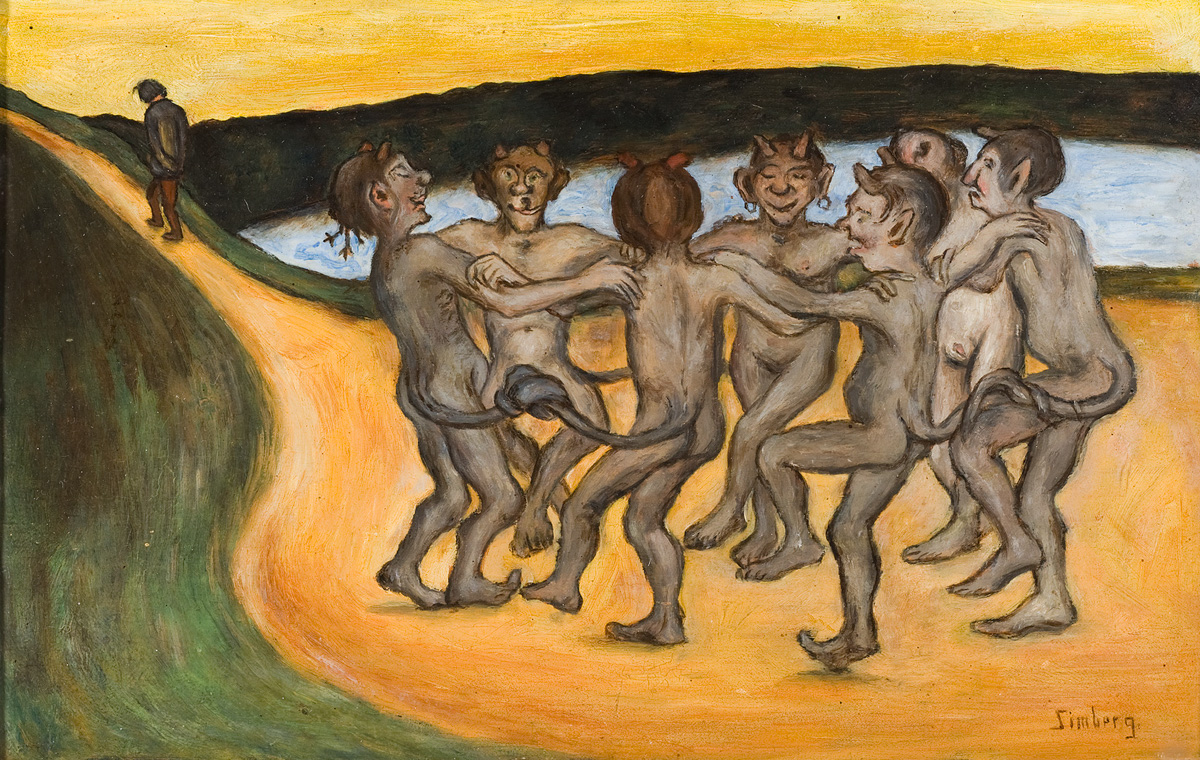
Hugo Simberg – Beyond The Visible – 2.10–17.1.2027
Hugo Simberg’s (1873–1917) multifaceted works take centre stage at Turku Art Museum in an extensive exhibition spanning the artist’s entire career. Bringing together more than 70 works, the exhibition portrays Simberg as an artist whose work moves effortlessly between everyday life and fantasy, humour and gravity, and life and death. Simberg never explained his works himself, and more than a century after they were created, their enigmatic quality continues to resonate, leaving room for new interpretations.
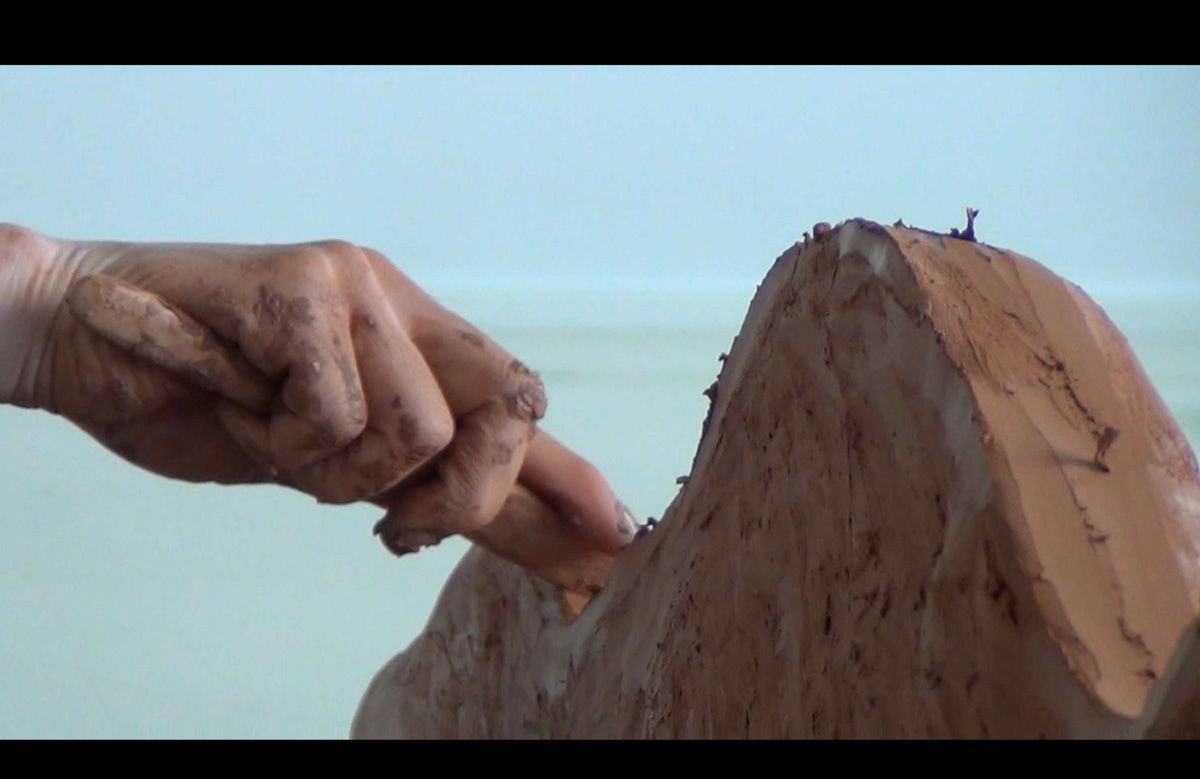
Man Yau – Divan – 2.10– 22.11.2026
One of the recurring subjects in the history of Western art is the female body reclining on a divan, a motif in which rest and idleness are intertwined with being the object of the gaze, power and desire. Especially nineteenth-century Orientalism associated the odalisque—the resting or reclining woman—with a fantasy of the exotic, sensual and unattainable Other constructed by the Western gaze. In Man Yau’s works, this arrangement is turned on its head: the body no longer rests on a piece of furniture but becomes material, a surface, a part of the furniture itself.
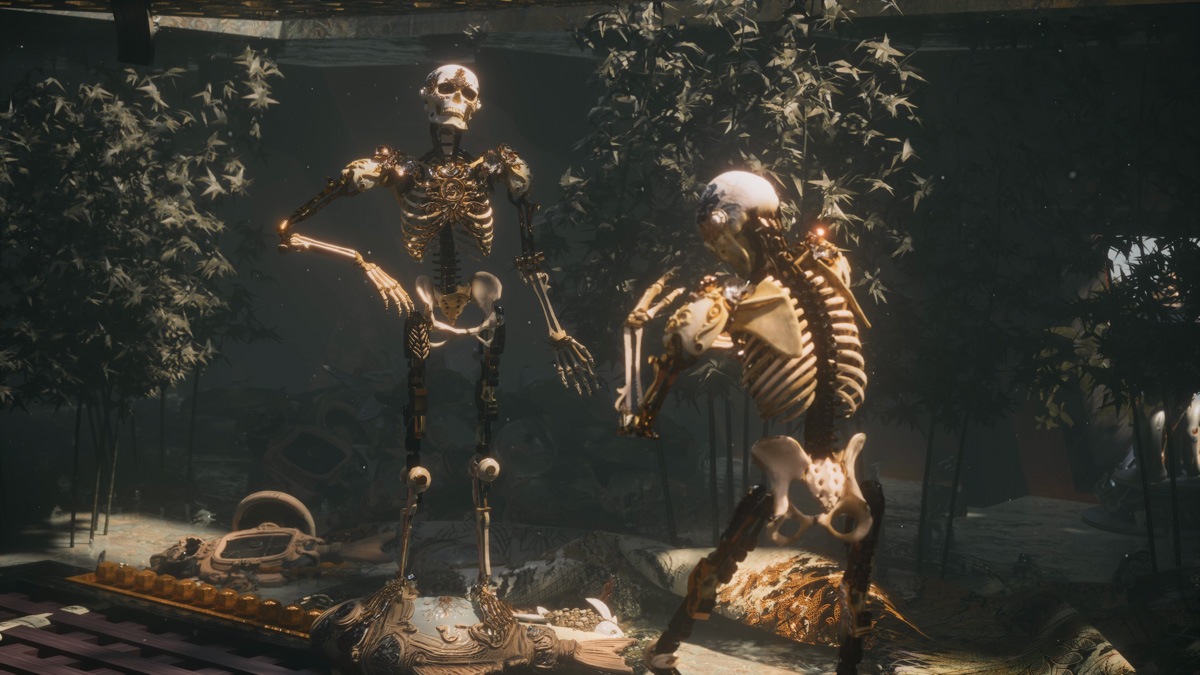
Wendi Yan – Dream of Walnut Palaces – 2.10– 22.11.2026
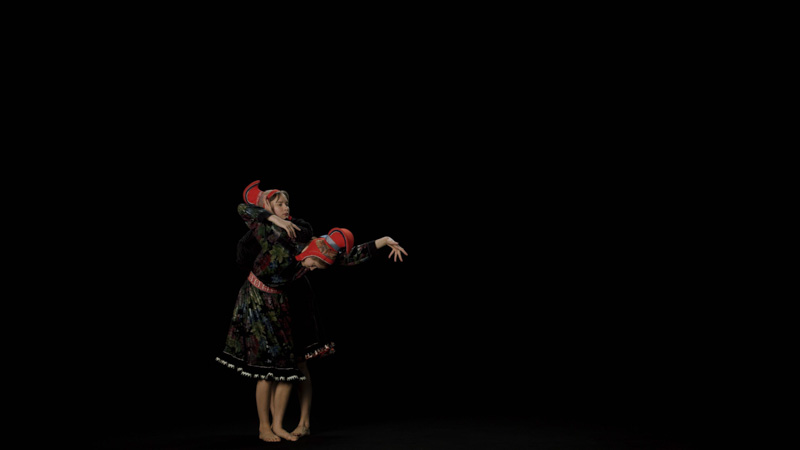
Dream of Walnut Palaces (2025) is a mesmerizing ten-minute CGI animation film that offers an alternative interpretation of established historical narratives. The work explores the exchange of knowledge between Asia and Europe during the Enlightenment, as well as the encounter between Chinese and European conceptions of knowledge, visual cultures, and imperial imaginaries.
Ville Kumpulainen 27.11.2026 – 17.1.2027
Ville Kumpulainen explores the meanings concealed at the edges, in the backgrounds and empty spaces of images, as well as the visual dimensions of spatial experience. Fragments from found archival photographs and everyday objects, overlooked in ordinary perception, move from the margins and periphery of everyday life to the centre. The exhibition creates nested spaces and layers of meaning that are revealed layer by layer.
Milja Viita 27.11.2026 – 17.1.2027
The experimental film and installation, premiering at the Turku Art Museum, combines archival material from Maupertuis’s expedition to Lapland with excerpts from Voltaire’s Micromégas, a story in which he vented his bitterness. Voltaire published the work as a satire of Maupertuis’s scientific expedition, while at the same time creating one of the earliest works of science fiction. Its protagonist is a sarcastic giant from outer space, who may emerge in Viita’s abstract and playful work as a symbol of the anti-science populism that continues to surface today.
Still – 27.11.2026
Still invites visitors to linger and look slowly, making space for aesthetic experience and contemplation. Works from the museum’s collection unfold through a curious gaze and mindful presence, without the need to know or understand immediately. The exhibition reflects on how we might nurture this sensitivity in the contemporary world and, through slow looking, bring into focus what often goes unnoticed: the passage of time, the quiet rhythm of materials, the viewer’s own inner world, and our position within the universe.
What (a) Colour – from 26.11.2024
Colour is one of art’s key means of expression, operating within a register of perception, physical experience and cultural conventions. It has proven impossible to define it exhaustively, but the power of colour always tempts us to rethink. The exhibition features works from the collection of the Turku Art Museum and explores how to interpret the meaning of colour in visual art in the light of recent art research. The gaze wanders across the spectrum of the Golden Age of Finnish art, modernism and contemporary art.
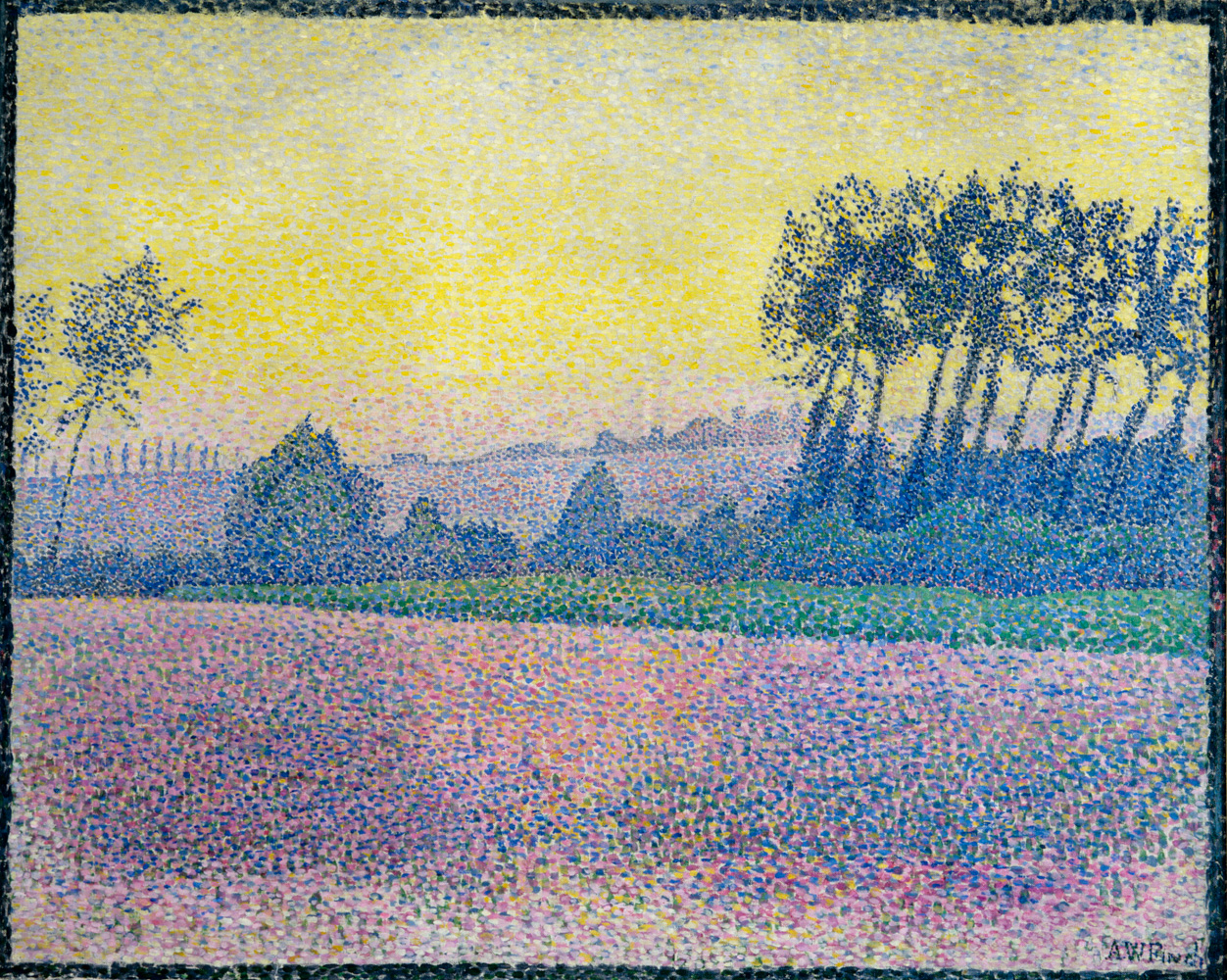
Ateneum
The Ateneum is an internationally known and respected art museum whose exhibitions attract hundreds of thousands of visitors every year. Ateneum is a beloved meeting place for art, people and experiences. In July and August this year, the museum will also be open on Mondays. Tickets can be purchased online in advance in the website ticket shop, saving 2€ per ticket.
The highly popular exhibitions of the Ateneum showcase both international and Finnish artists. Paired with the museum’s topical research activities, the exhibitions provide new information and perspectives to the visitors. Museum´s collection exhibition The Question of Time participates in the current debate of the 21st century. Exhibition ponders how the country’s oldest and largest art collection can now and in the future feel both personal and common – to all of us.
Besides exhibitions, the Ateneum organises a wide range of events, talks, workshops and discussions on current topics. Thanks to its rich educational programme, the museum attracts thousands of children and young people every year.
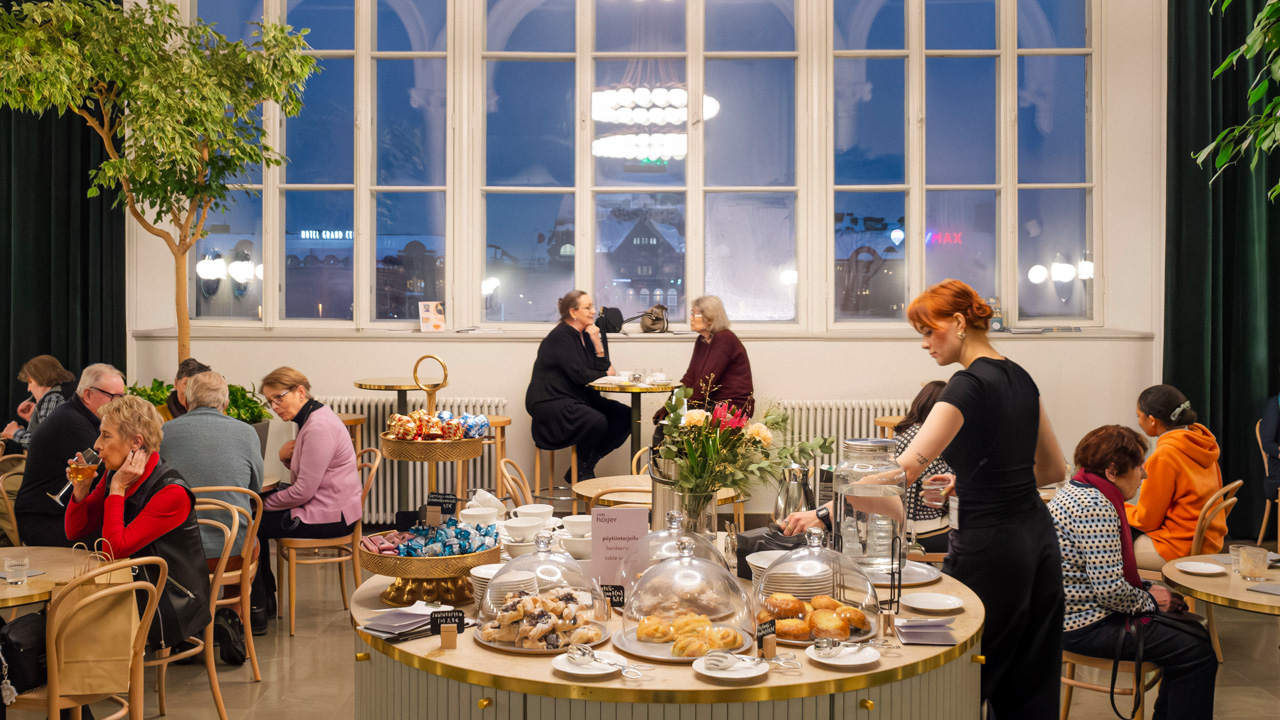
At Café Höijer, on the third floor of the Ateneum, visitors can crown their museum visit in a beautiful setting. The café is located in the middle of the exhibition spaces, so it is only open to customers who have purchased a museum ticket. Café Höijer offers classic café products served to table. In addition to small savoury and sweet items, the café offers a diverse selection of wines and coffees.
Ateneum is a part of the Finnish National Gallery which is the national museum of fine arts. It operates three of Finland’s best-known museums: the Ateneum Art Museum, the Museum of Contemporary Art Kiasma and the Sinebrychoff Art Museum. It also manages the national art collection and its archives, develops Finnish cultural heritage and promotes art to the wider public.
Collection: A Question of Time – Permanent exhibition
Our collection exhibition A Question of Time reflects on the major questions of our time through art. The exhibition also offers fresh perspectives into Finland’s oldest and most extensive art collection and how it was built. The main hall of Questions of Our Time will be renewed in spring 2026, with the first floor closing in May as the Art in Power theme concludes, before reopening in August 2026 as Modern Classics.
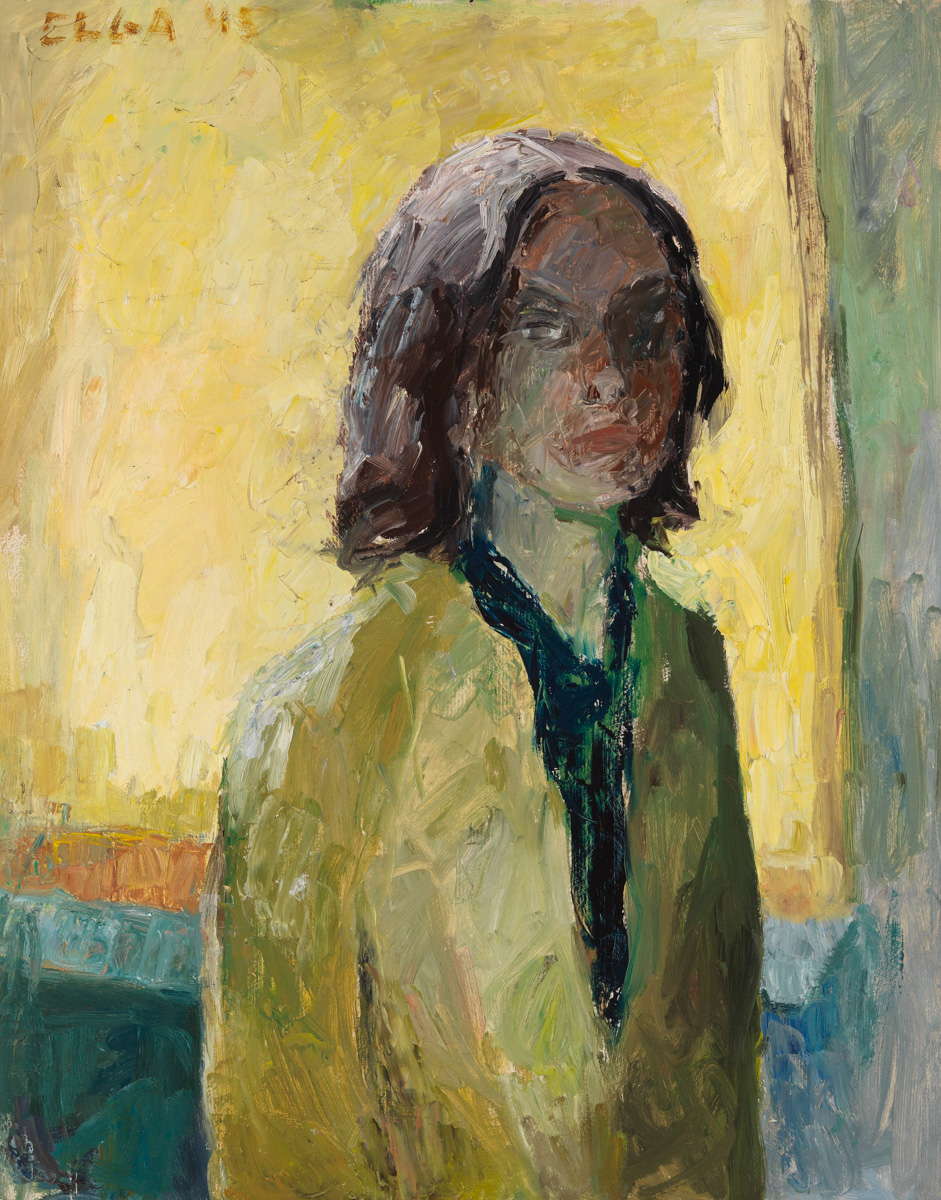
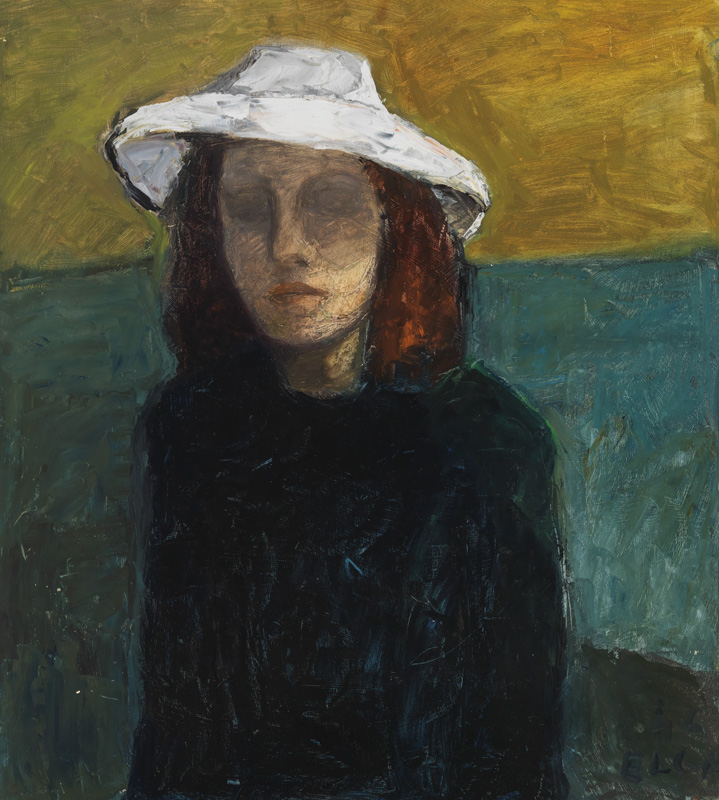
Modern Classics: Elga Sesemann – 18.8.2026–8.8.2027
Modern Classics: Elga Sesemann presents the work of Elga Sesemann (1922–2007) as part of the Finnish National Gallery’s Modern Classics exhibition series, which highlights 20th-century artists from its collections. Sesemann was a pioneer as a Finnish woman artist and gained attention already with her first solo exhibition in Helsinki in 1945 for her expressive style. Although she participated in nearly one hundred exhibitions during her lifetime, her works have only gained wider recognition in recent years, and modernist works once considered radical now resonate strongly with contemporary audiences.
Arcana Borealis – Northern Women and Esotericism – 23.10.2026–28.2.2027
Arcana Borealis – Northern Women and Esotericism explores how Northern women artists, from the late 19th century to the present day, have combined art with alternative spiritual currents and built significant yet often overlooked networks across the Nordic countries and internationally. The exhibition examines how women have sought, through art, experiences deeper than everyday life and a connection with the universe, and presents themes such as humanity’s relationship with nature and the cosmos, the connection between spirit and matter, and esoteric knowledge. The exhibition features both well-known and lesser-known artists from a period of more than one hundred years.