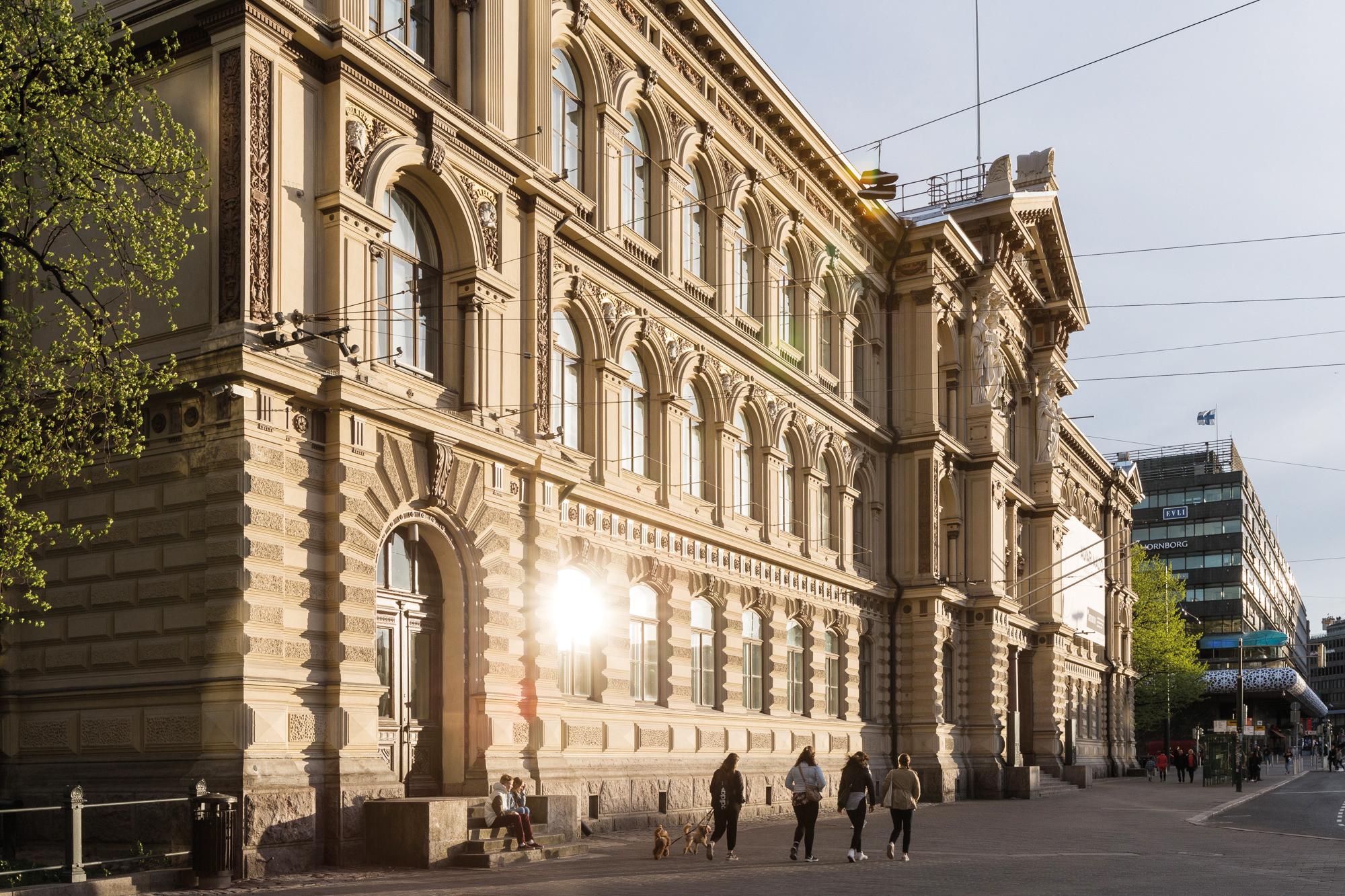
The Ateneum Art Museum presents a diverse programme throughout the year, combining major temporary exhibitions on the third floor with its permanent collection on the second floor. Visitors can explore Finnish and international art across different periods and themes, take part in guided introductions and workshops, and enjoy interactive experiences designed also for children, including the Children’s Path within selected exhibitions.
During the summer season, the museum is also open on Mondays in July and August from 11:00 to 17:00, offering additional opportunities to visit. The year features a major retrospective of Eero Nelimarkka running until 13 September, the launch of the new Modern Classics series beginning with Elga Sesemann on 18 August, and the exhibition Arcana Borealis – Northern Women and Esotericism opening on 23 October.
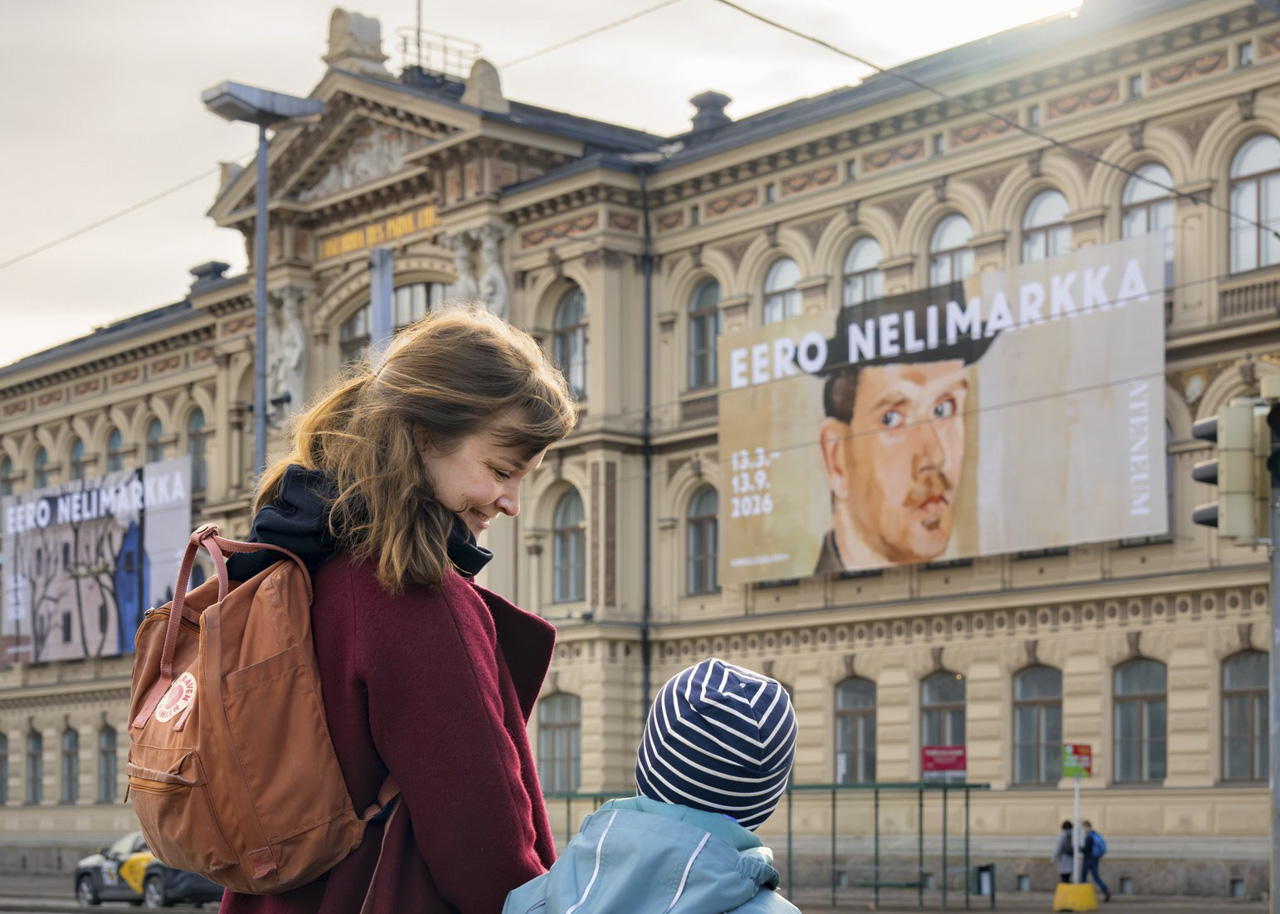
Eero Nelimarkka – A Comprehensive Retrospective
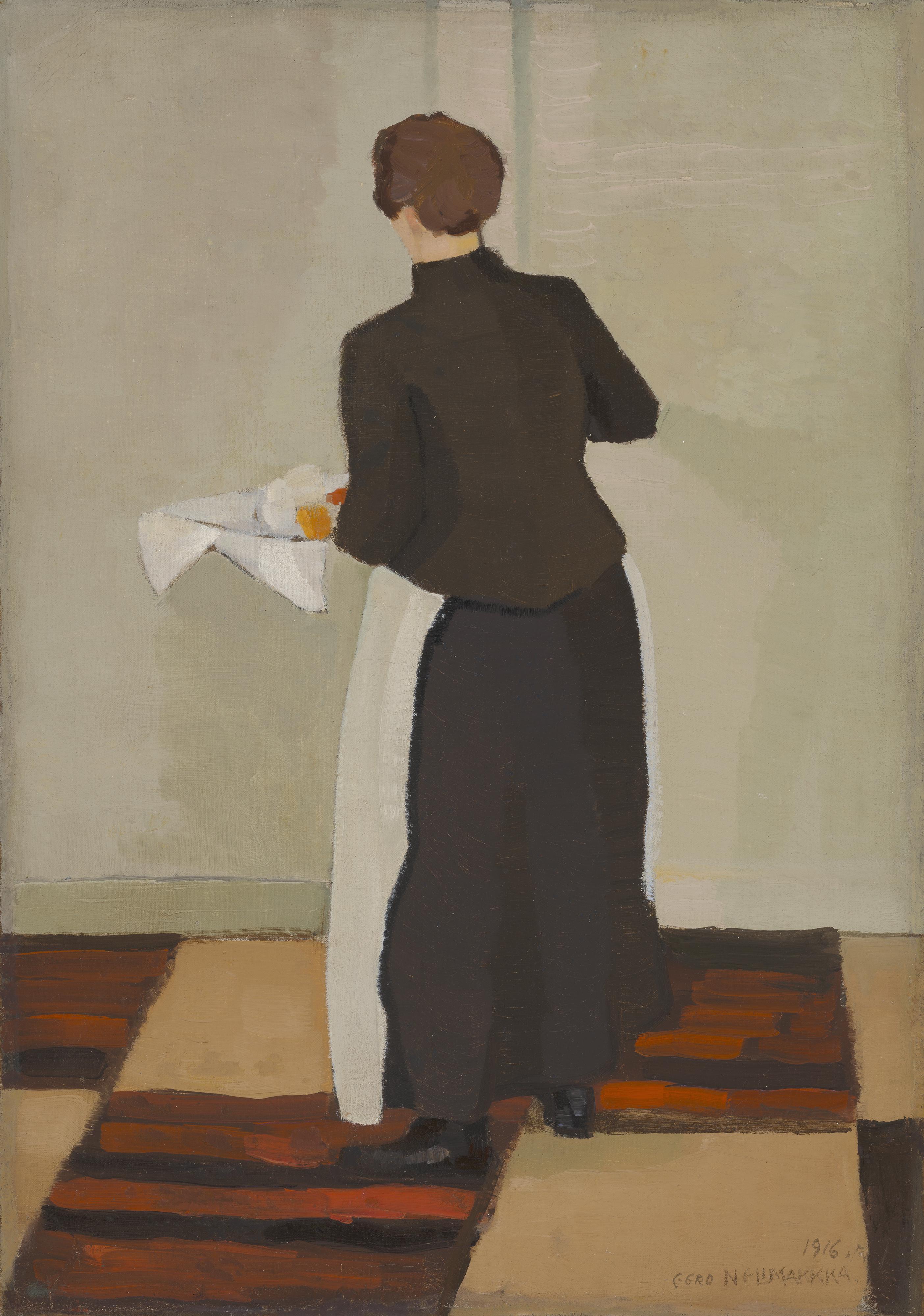
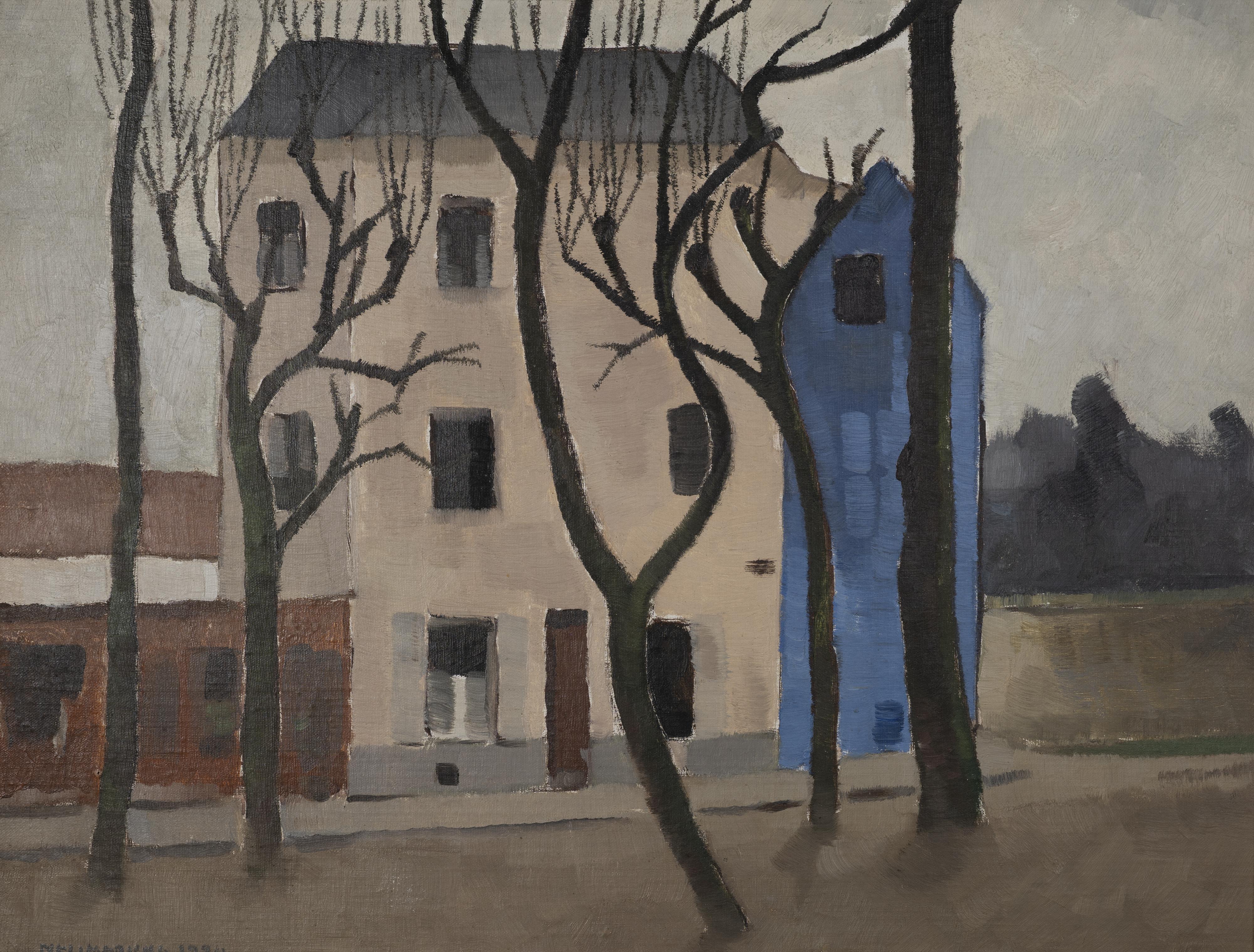
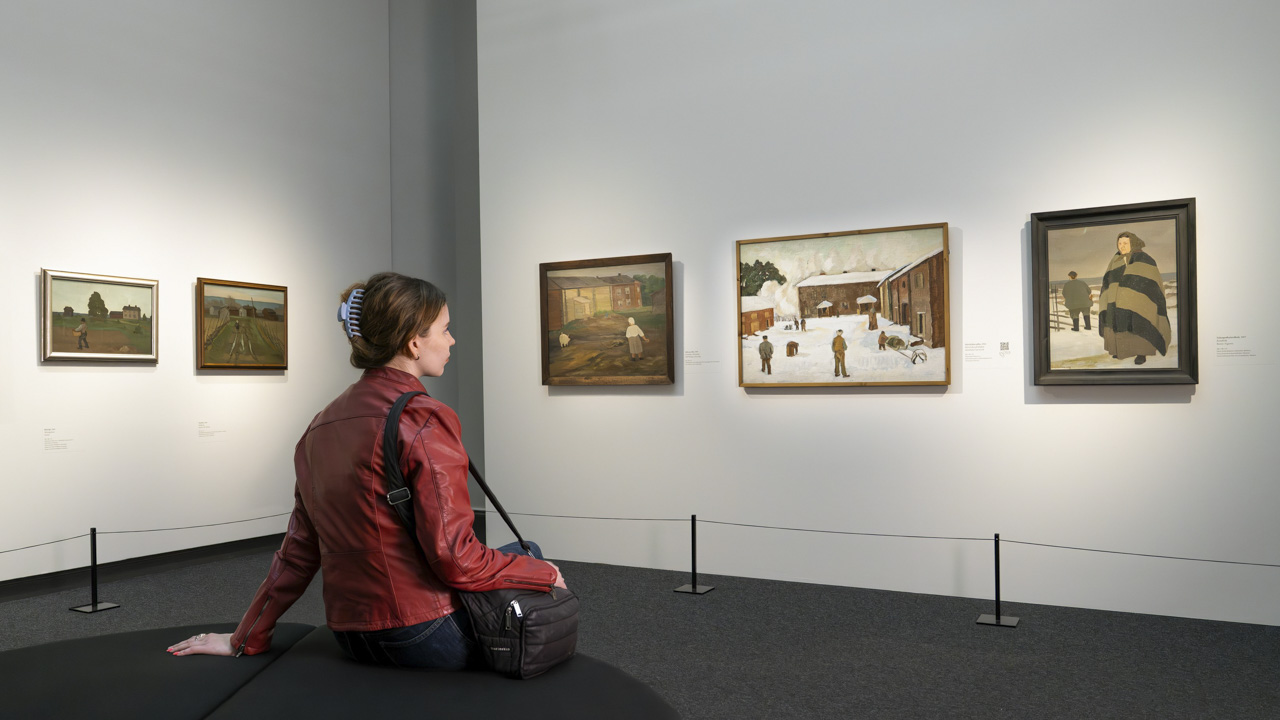
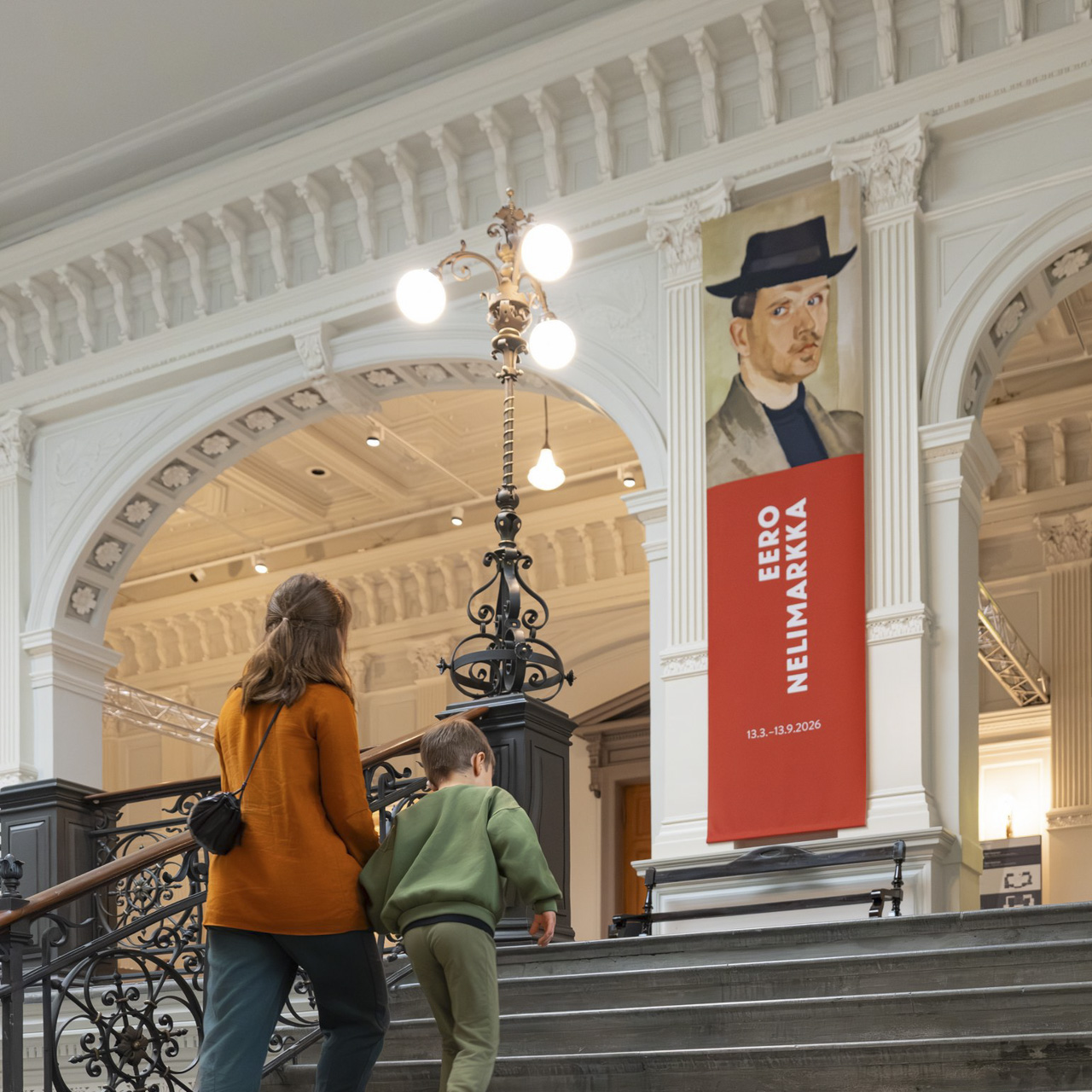
Running from 13 March to 13 September 2026, a major exhibition dedicated to Eero Nelimarkka occupies the third floor, offering a comprehensive overview of the artist’s career and legacy. This is the first major museum exhibition to present Nelimarkka’s life’s work in full, providing new insight into both his artistic development and his view of the world.
The exhibition traces Nelimarkka’s journey from modest beginnings as the son of a washerwoman in Vaasa to becoming one of Finland’s most recognised artists. His career reflects both strong personal dedication and a continuous exploration of artistic expression.
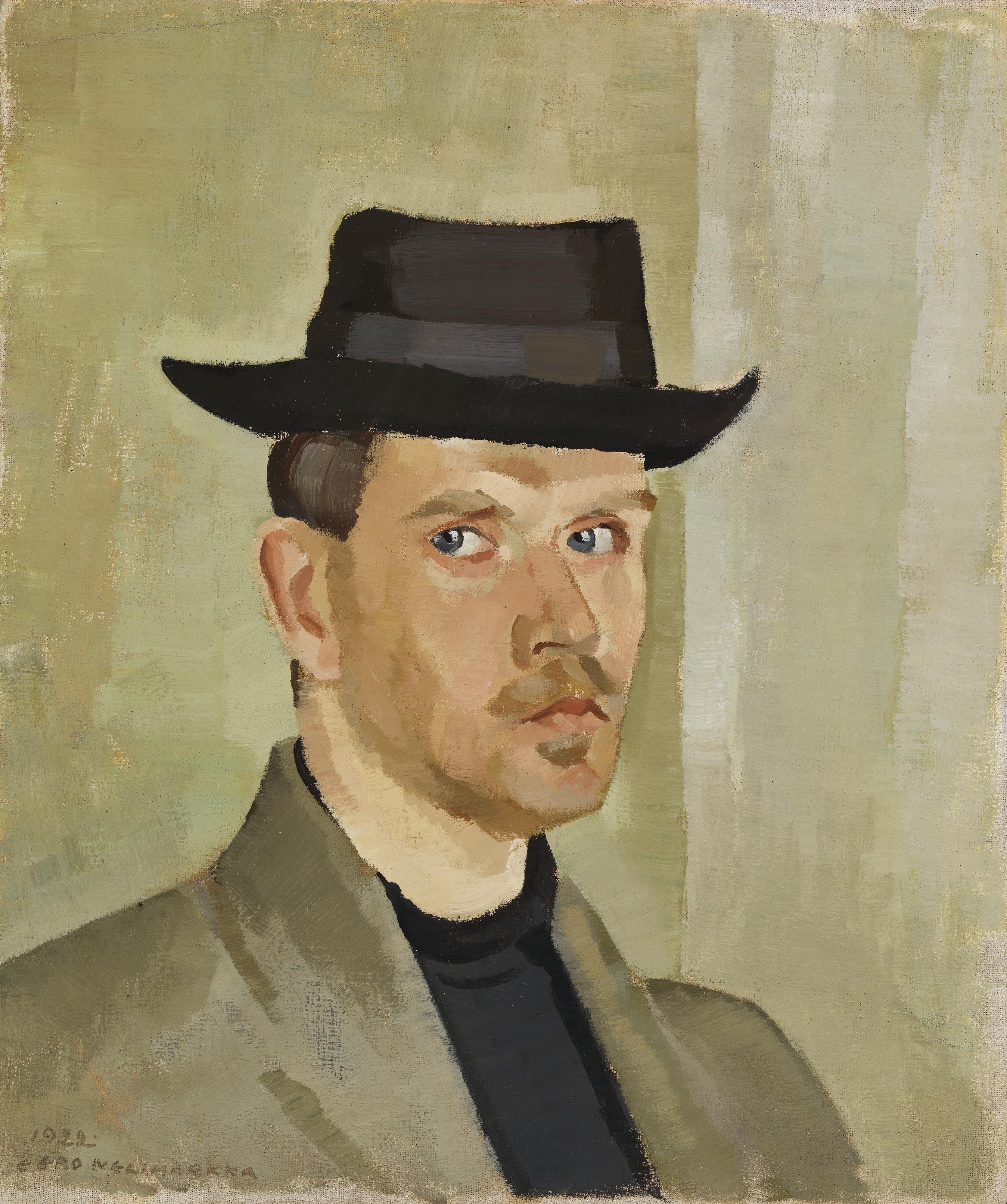
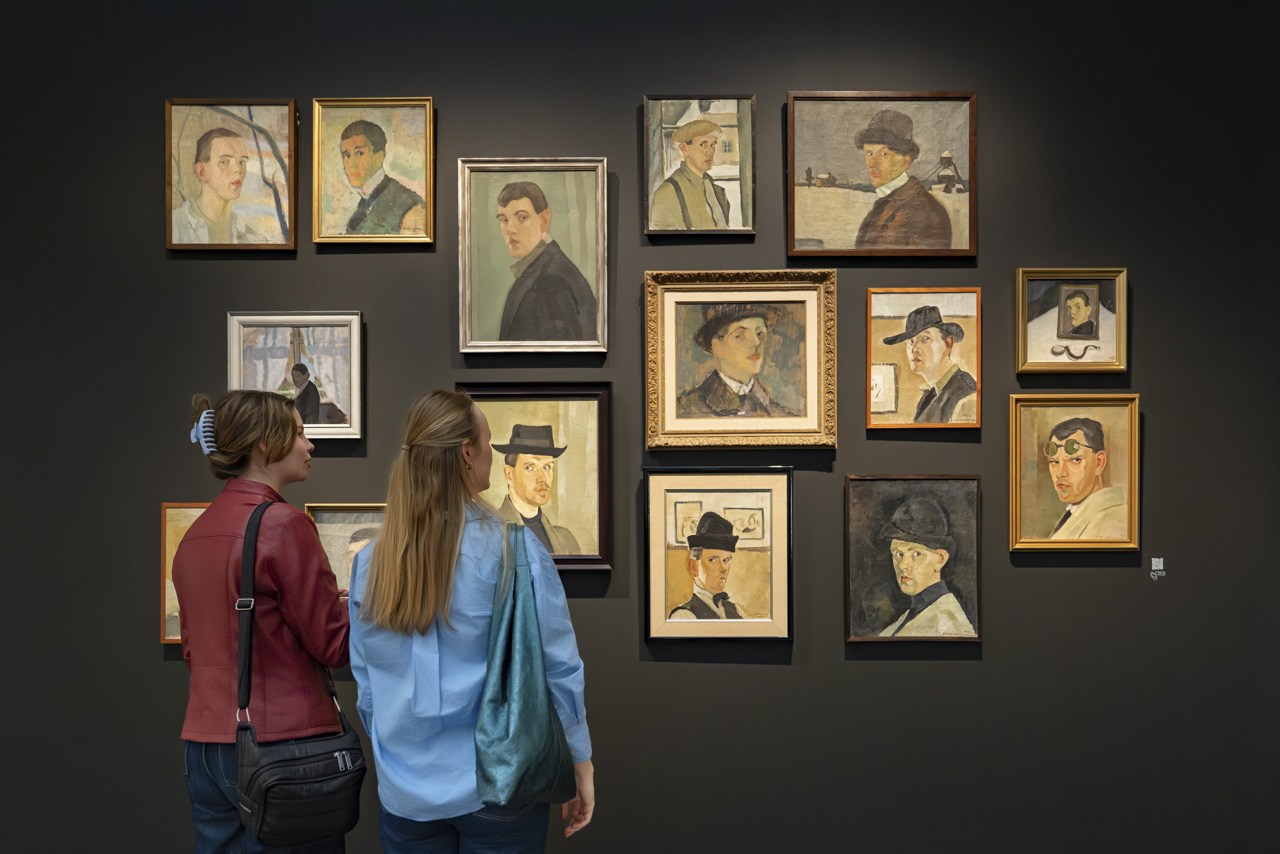
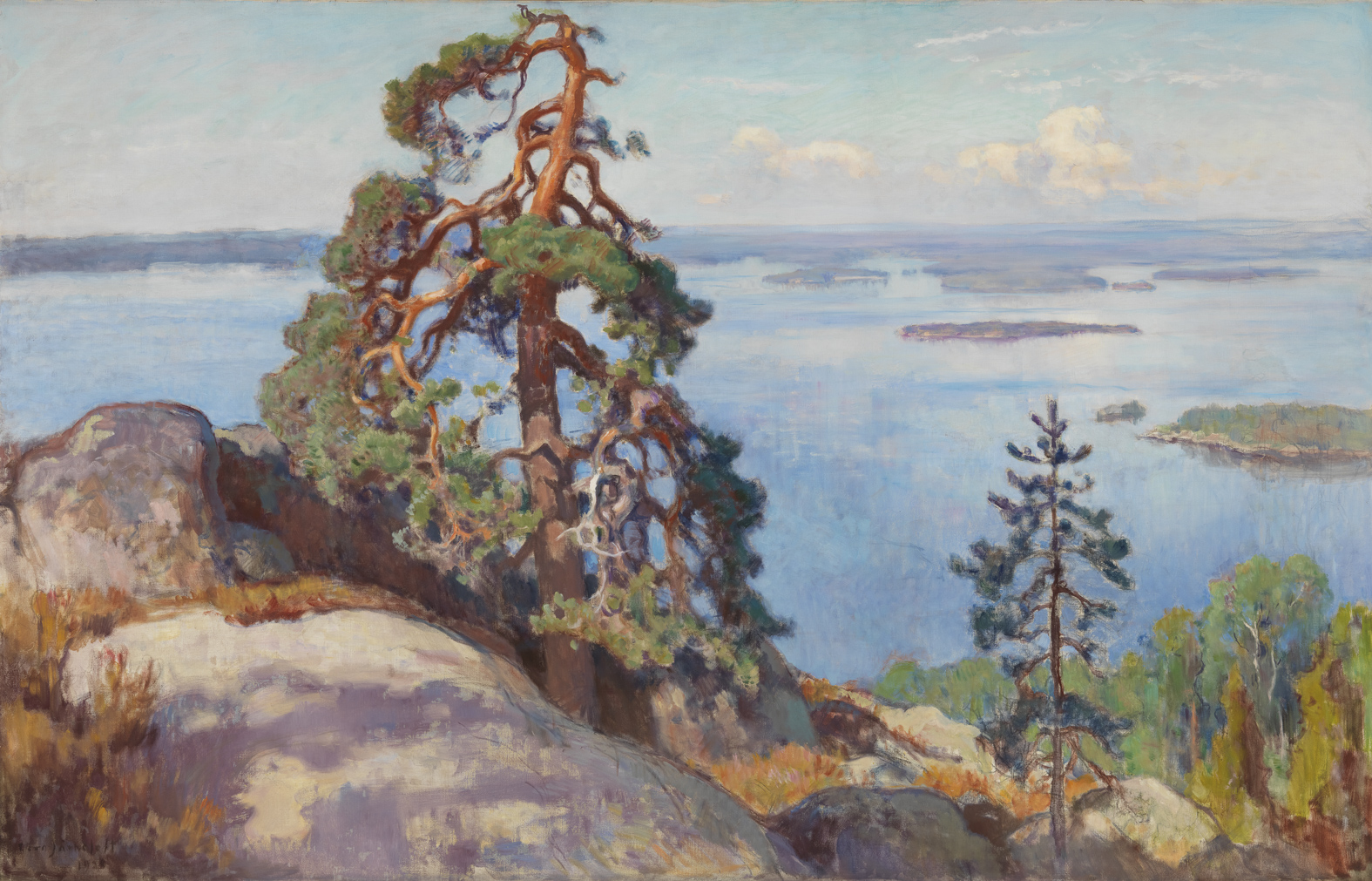
Although best known for his paintings of South Ostrobothnian landscapes, Nelimarkka was also highly skilled in portraying people. His work includes a wide range of characterful portraits and numerous self-portraits. Alongside rural landscapes, Nelimarkka also depicted urban environments, including Helsinki, as well as scenes inspired by his travels abroad. His works also offer a thoughtful perspective on Finnish identity and ways of life, reflecting both everyday realities and deeper cultural meanings. His compositions often carry a subtle sense of ambiguity, sometimes associated with elements of magical realism. Everyday subjects, such as a pair of shoes or a pile of hats, are presented in ways that suggest deeper meanings, leaving room for interpretation.
The exhibition also highlights key moments in the artist’s life. His marriage to Saima Alaviitala in 1918 connected him to the farming communities of South Ostrobothnia, which became a recurring theme in his work.
Guided Introductions and Drawing Workshops
On the third Sunday of each month, the Ateneum offers an introduction to the exhibition in Finnish, Swedish, English and Russian. Held in the Ateneum Hall, the presentation lasts approximately 30 minutes and provides visitors with a visual overview before they continue exploring the exhibition independently.
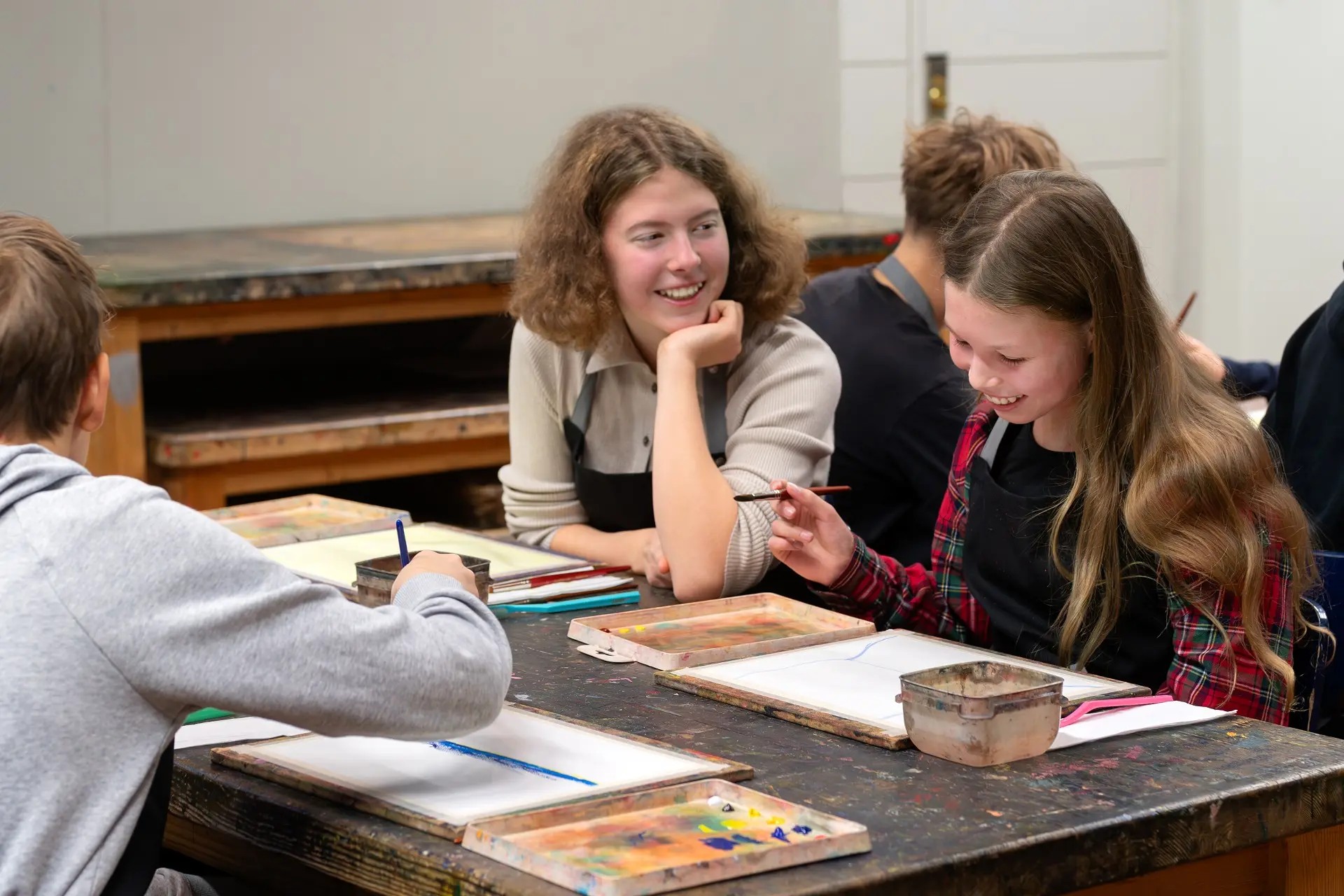
Visitors interested in creating their own art are also invited to take part in drawing sessions connected to the Nelimarkka exhibition. On Wednesdays from 4pm to 7pm, workshop guides are present to offer tips and support, and drawing materials are available on site.
Modern Classics Series: Elga Seseman
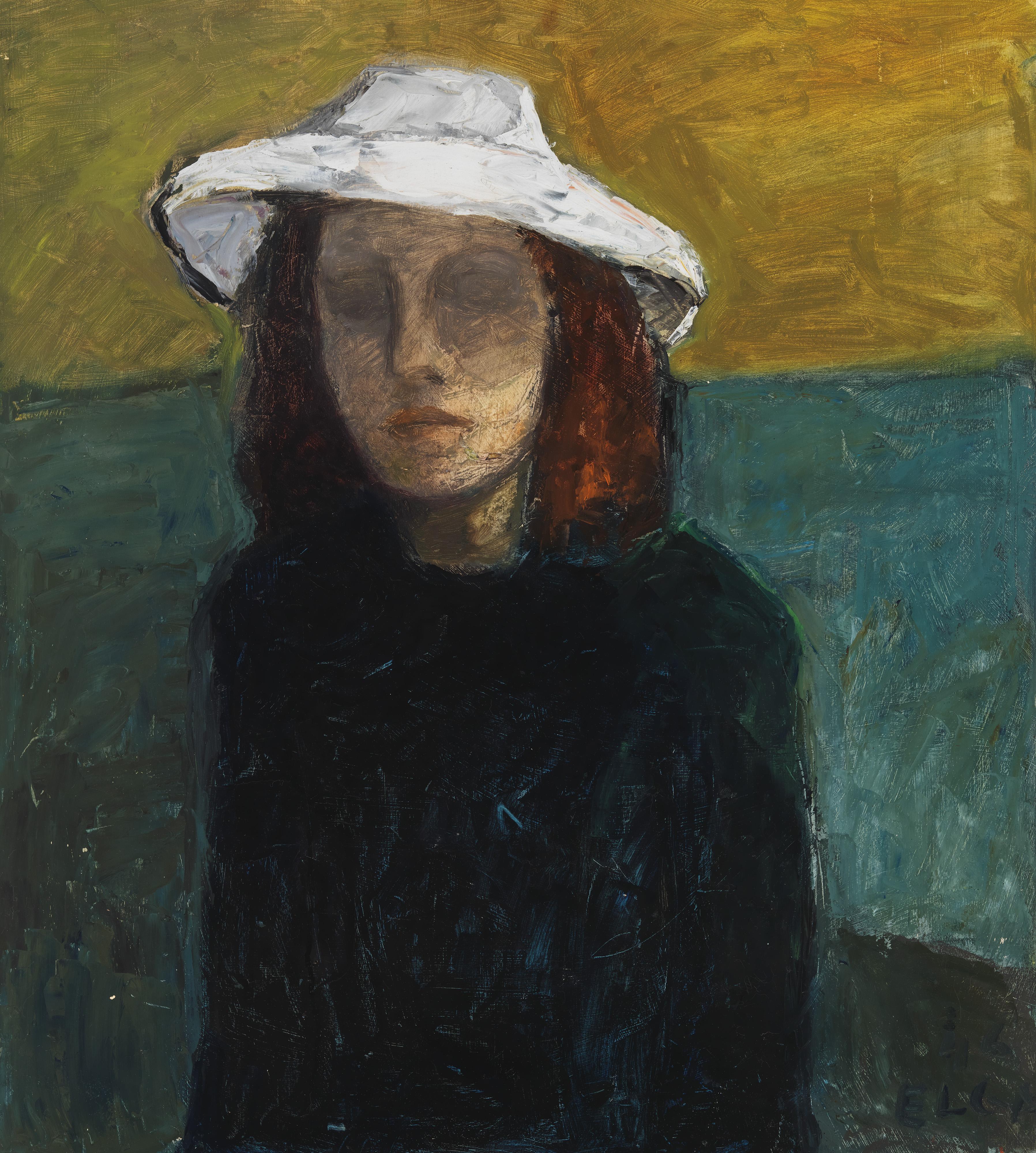
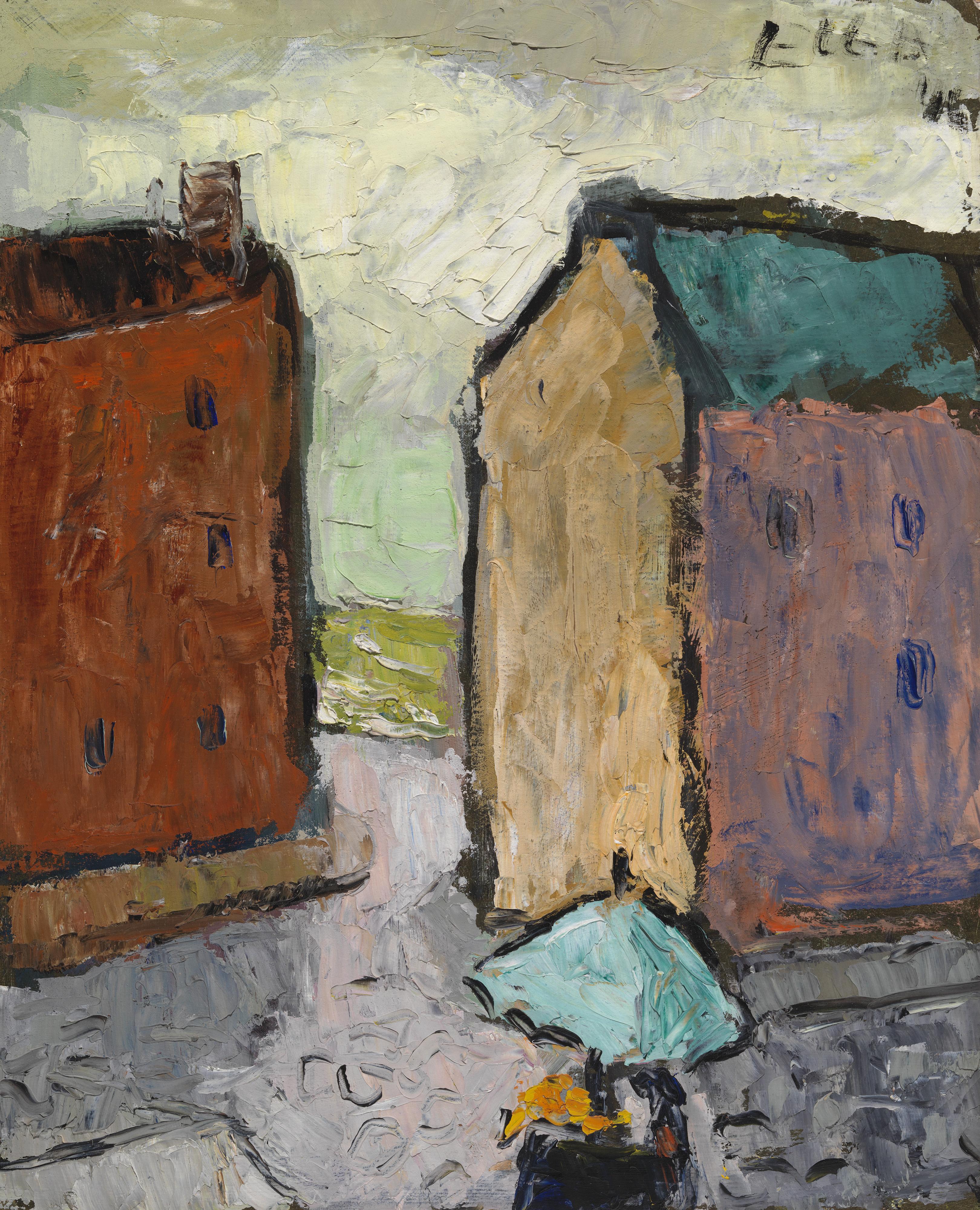
A new exhibition series, Modern Classics, will launch on 18 August, presenting works by 20th-century artists from the Finnish National Gallery collections. The first exhibition in the series focuses on Elga Sesemann.
Sesemann’s career offers a compelling example of a professional female artist working in Finland. She remained active throughout her life, with her artistic expression evolving until the mid-1990s, and produced an extensive body of work. Although she participated in nearly one hundred exhibitions during her lifetime, broader recognition of her work has grown in recent years. Since the early 2000s, institutions such as the Ateneum and Tampere Art Museum have presented her work in major exhibitions.
Arcana Borealis – Northern Women and Esotericism
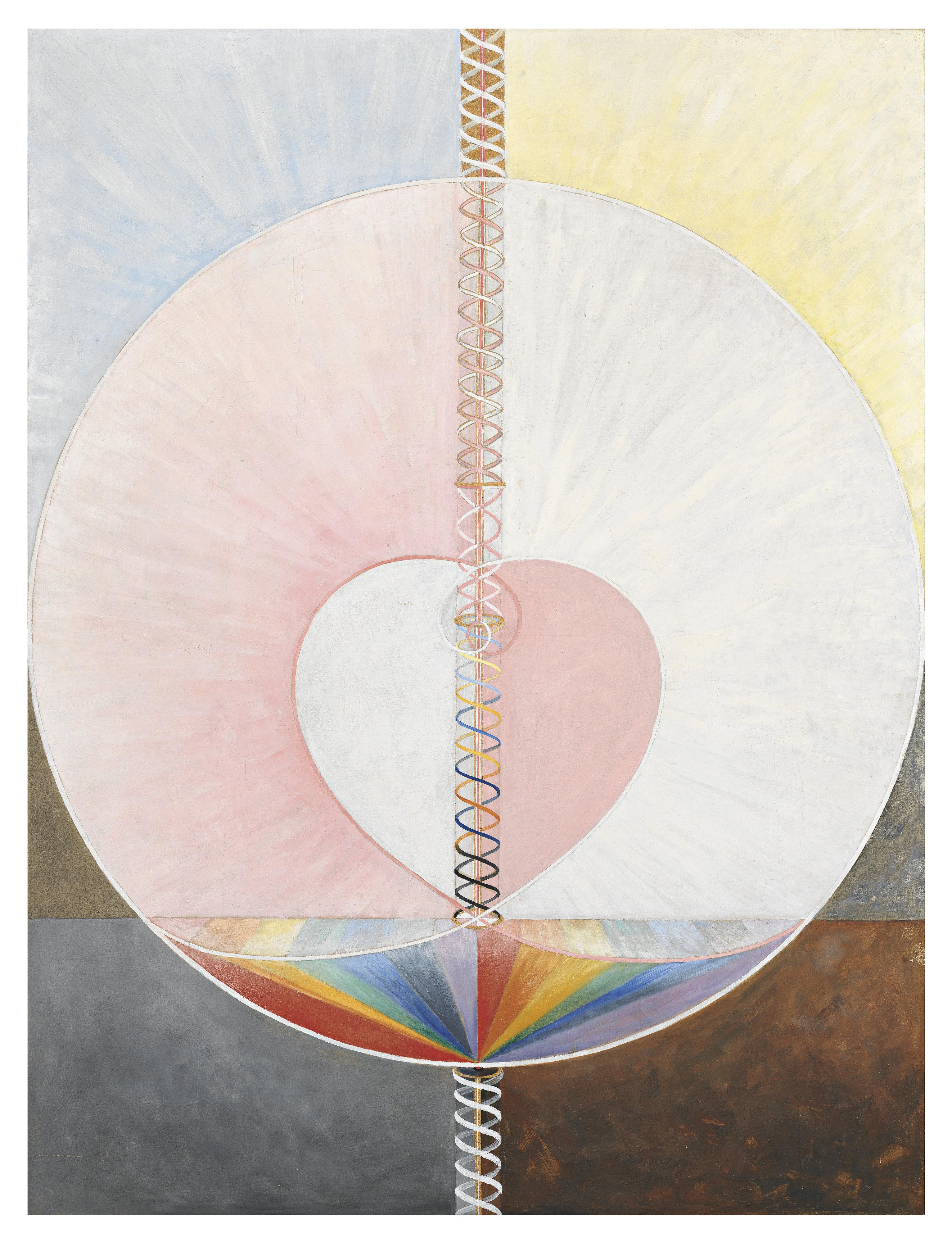
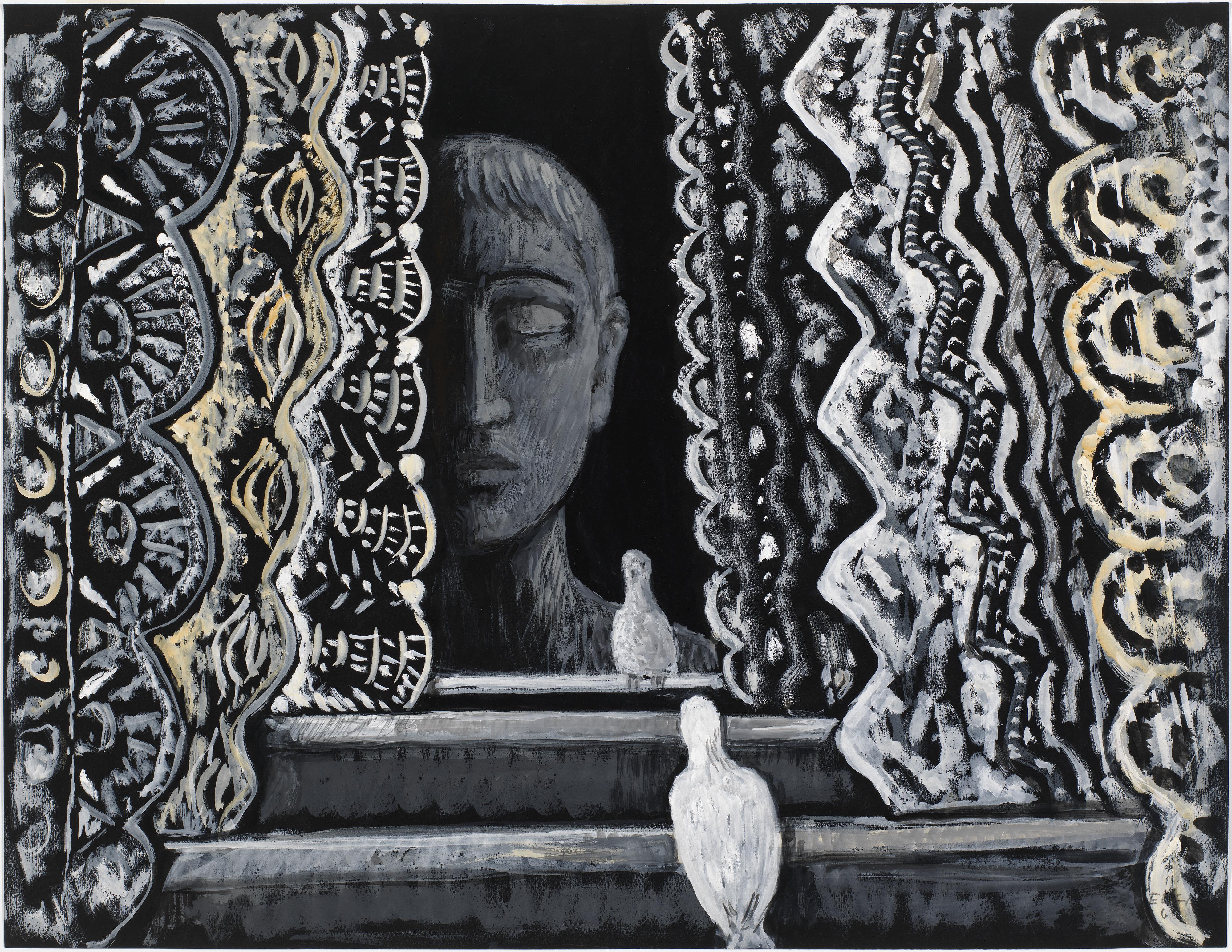
Opening on 23 October on the third floor, Arcana Borealis – Northern Women and Esotericism explores how Northern European women artists have engaged with spiritual and esoteric ideas since the late 19th century. The exhibition highlights both artistic networks and the importance of collaboration across the Nordic region and internationally.
Key themes include the relationship between humans and nature, the connection between spirit and matter, and broader questions about existence. While Hilma af Klint is widely recognised in this context, the exhibition expands the perspective to include a broader range of artists. Among those featured are Anna-Eva Bergman, Sonja Ferlov Mancoba, Maja Fjaestad, Iria Leino, Outi Pieski, Laila Pullinen, Elga Sesemann and Ellen Thesleff, spanning more than a century of artistic work.
The Permanent Collection: A Question of Time
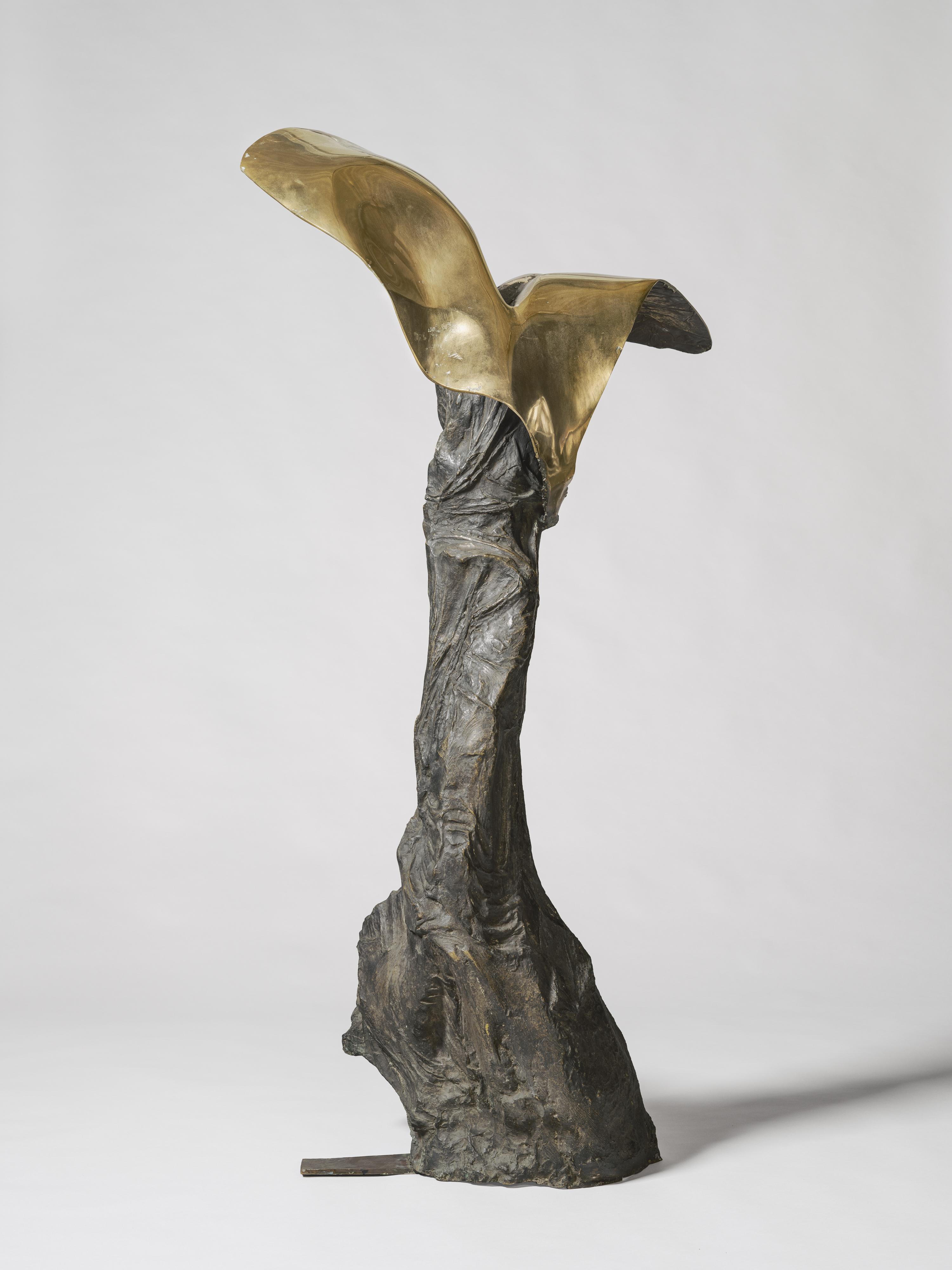
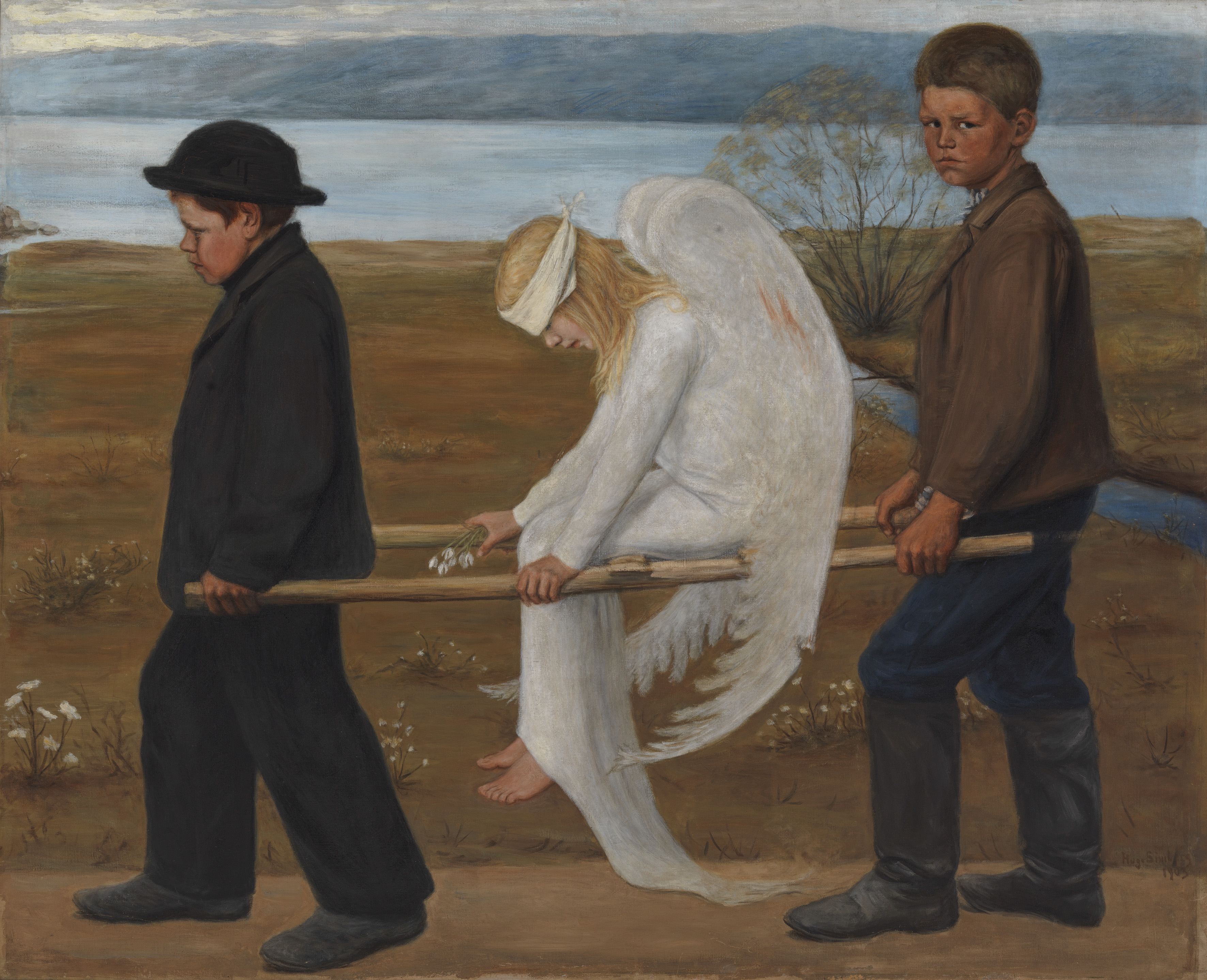
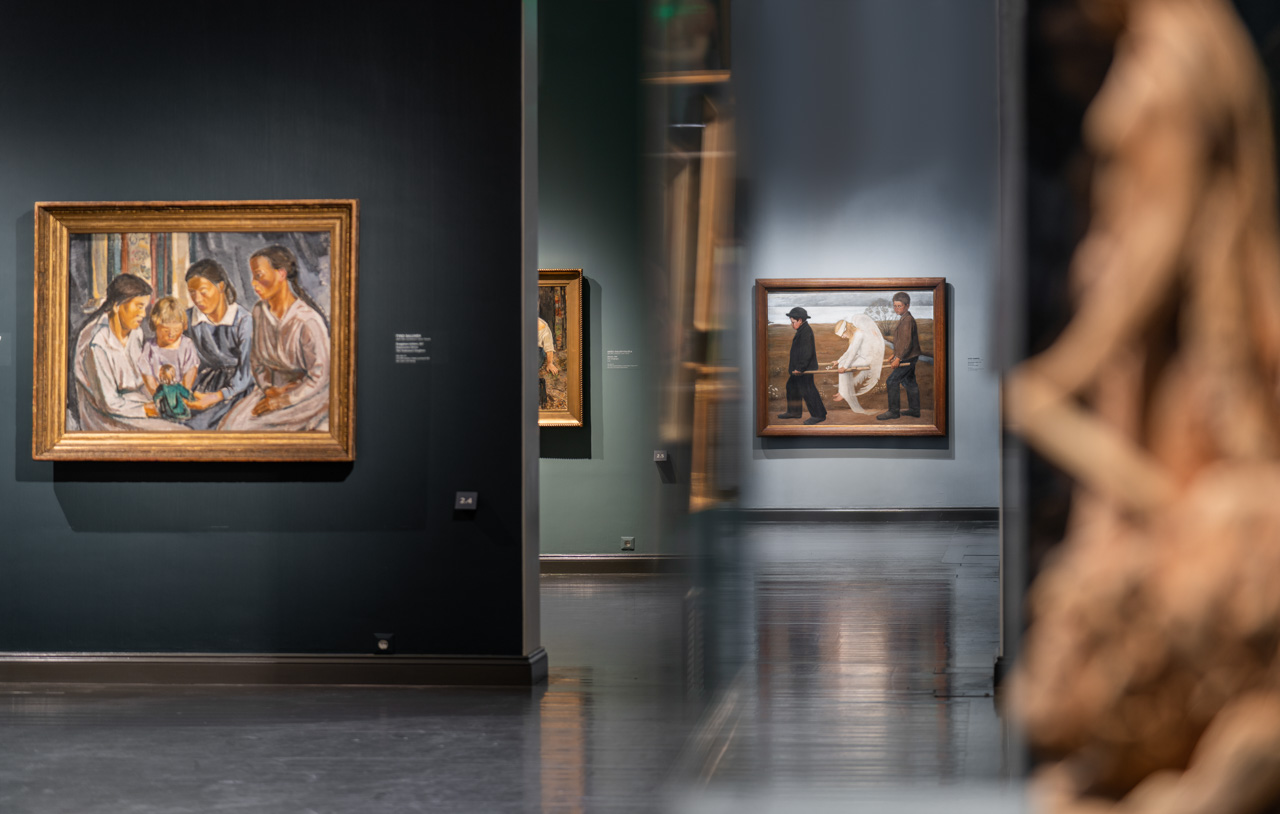
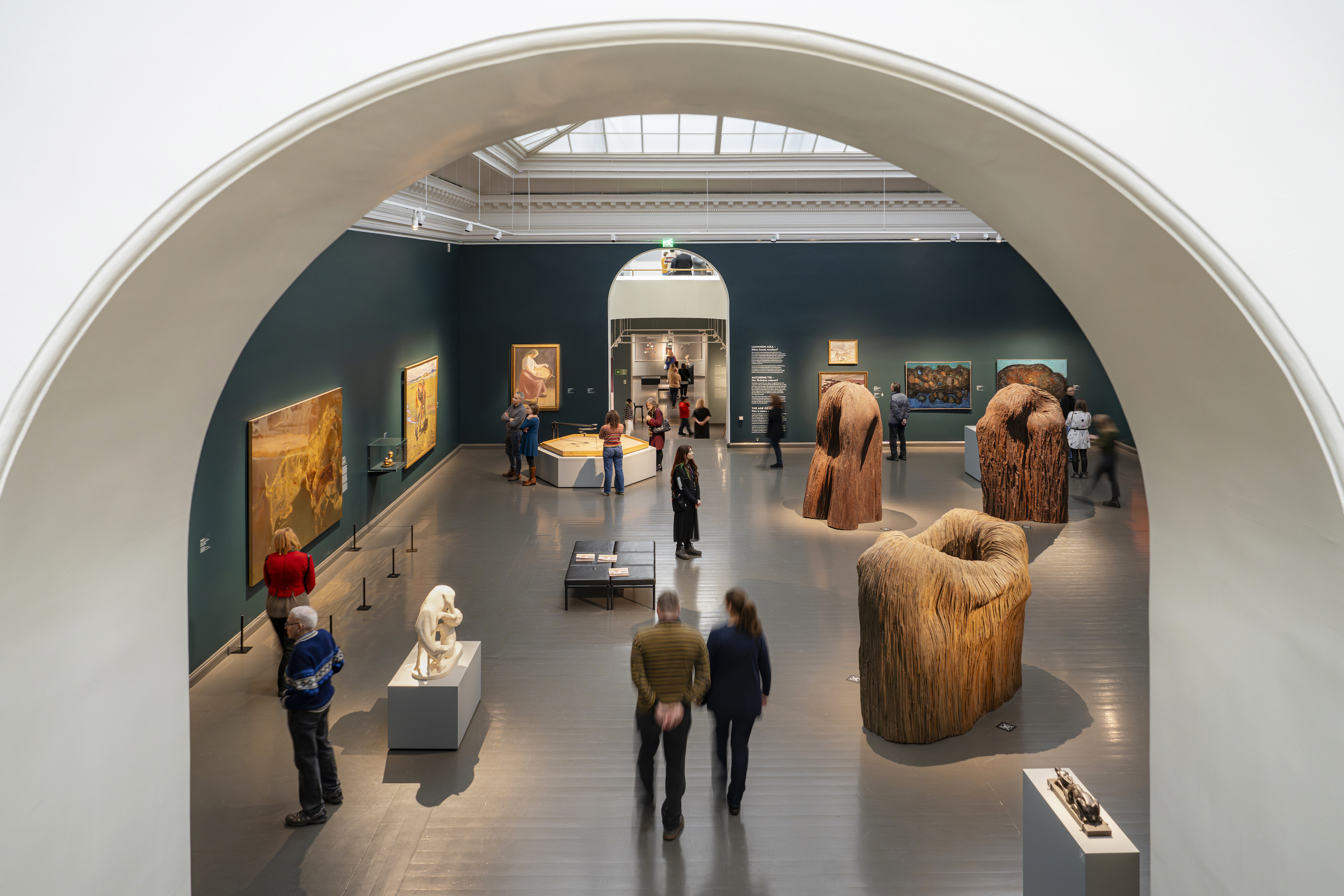
On the second floor, the museum’s current collection exhibition, A Question of Time, presents Finnish and international art through three thematic perspectives. The Age of Nature considers environmental change, Images of a People explores representations of Finnish identity and Modern Life reflects on contemporary experiences.
To deepen the experience, visitors can explore the artworks through the Ateneum Guide. This audio guide offers additional perspectives and descriptions, allowing you to engage more closely with selected works in the exhibition. It works directly in your phone’s internet browser and is easy to use: simply scan a QR code or enter the artwork number found on the exhibit label to access the related audio. The main view of the guide also provides an overview of all audio-described works included in the exhibition.
Alongside the exhibition, The Flow of Time – Ateneum art and history offers a broader context for the artworks. This interactive timeline, available on-site at the museum, connects Ateneum’s collection with the history of the building as well as key events in Finnish and world history. Featuring more than 200 works from the collection, many of which are also part of A Question of Time, the timeline spans from the 1700s to the 1990s, creating meaningful connections across different periods and themes.
Visiting with Children
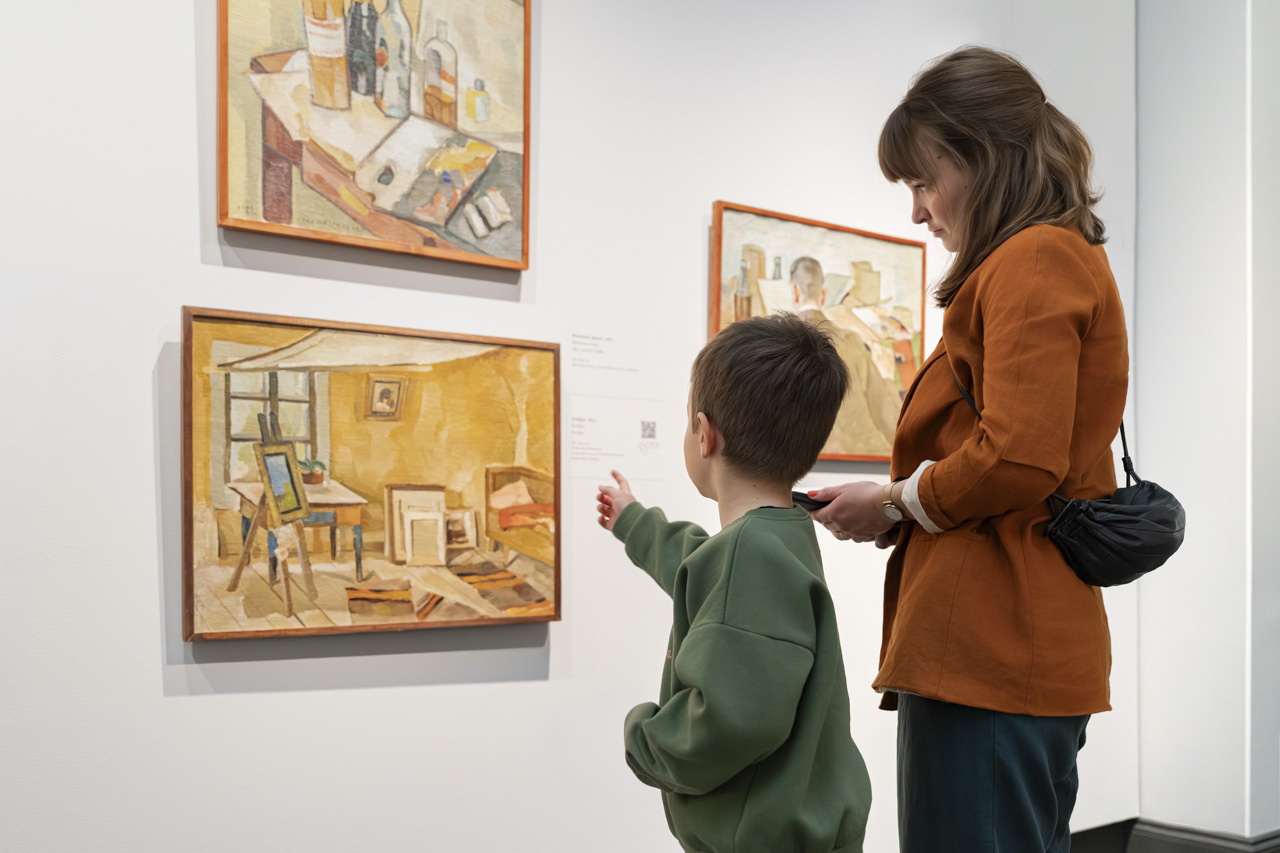
Families visiting the Nelimarkka exhibition can explore the Children’s Path on the third floor. Selected works are marked with a symbol, allowing children to access additional content by scanning QR codes displayed next to the artworks. This interactive approach encourages engagement and introduces younger visitors to the exhibition in an accessible way.
In addition, the Studio on the second floor offers a relaxed and creative space for visitors of all ages. Located near the main exhibition hall, it functions as a place to pause, reflect and spend time together. The artworks in the Studio change regularly, and the space invites visitors to draw, read, rest or simply enjoy a quiet moment between exhibitions.
Ateneum Bistro and Café Höijer – Enjoy Food and Coffee During Your Visit
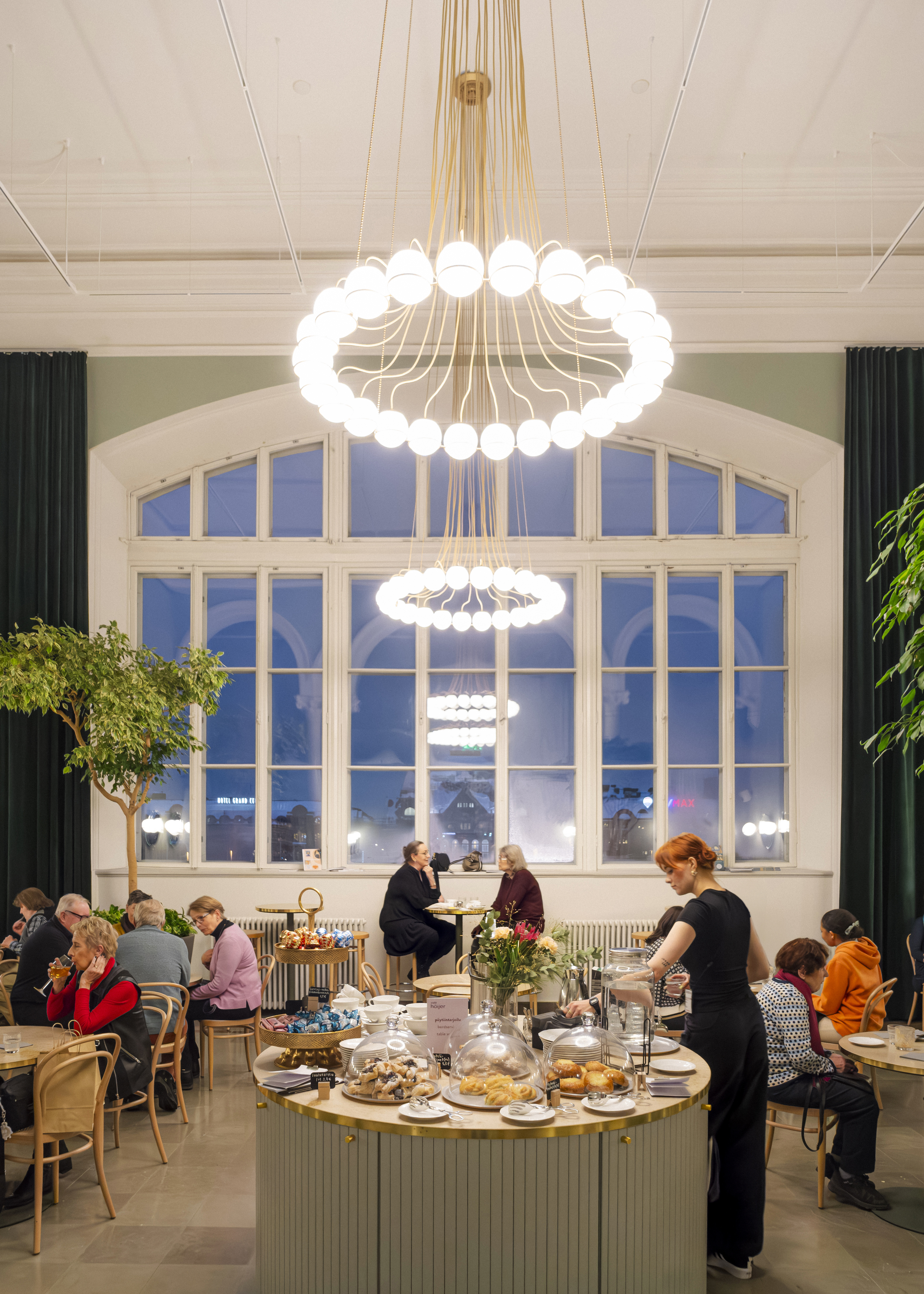
At the Ateneum Bistro, visitors can take a relaxed break in an atmospheric setting, enjoying seasonal bistro-style dishes ranging from weekday lunches to à la carte options, as well as sweet and savoury treats served with coffee or tea, all following the museum’s opening hours. Afternoon tea is also available, offering a selection of small delicacies for a more leisurely experience. Higher up, on the third floor, Café Höijer provides a more intimate café experience in the middle of the exhibition spaces, accessible to museum visitors, where classic café products, wines and coffees are served to the table in a refined setting. Please note that Café Höijer is not open on Mondays during the summer. Together, these spaces complement a visit to the Ateneum Art Museum, offering moments to pause, reflect and continue the experience beyond the galleries.
Exploring Ateneum
Together, these exhibitions and experiences make the Ateneum Art Museum a destination that can be explored in many ways, whether through major retrospectives, thematic collections or quieter moments of observation. The programme for 2026 invites visitors to spend time with art at their own pace, moving between different periods, ideas and perspectives.
Located in the heart of Helsinki, the Ateneum is easy to include as part of a wider visit to the city, whether as a focused cultural experience or a place to pause during the day. With its combination of exhibitions, interactive elements and spaces to relax, the museum offers a well-rounded experience that connects art, history and everyday life.