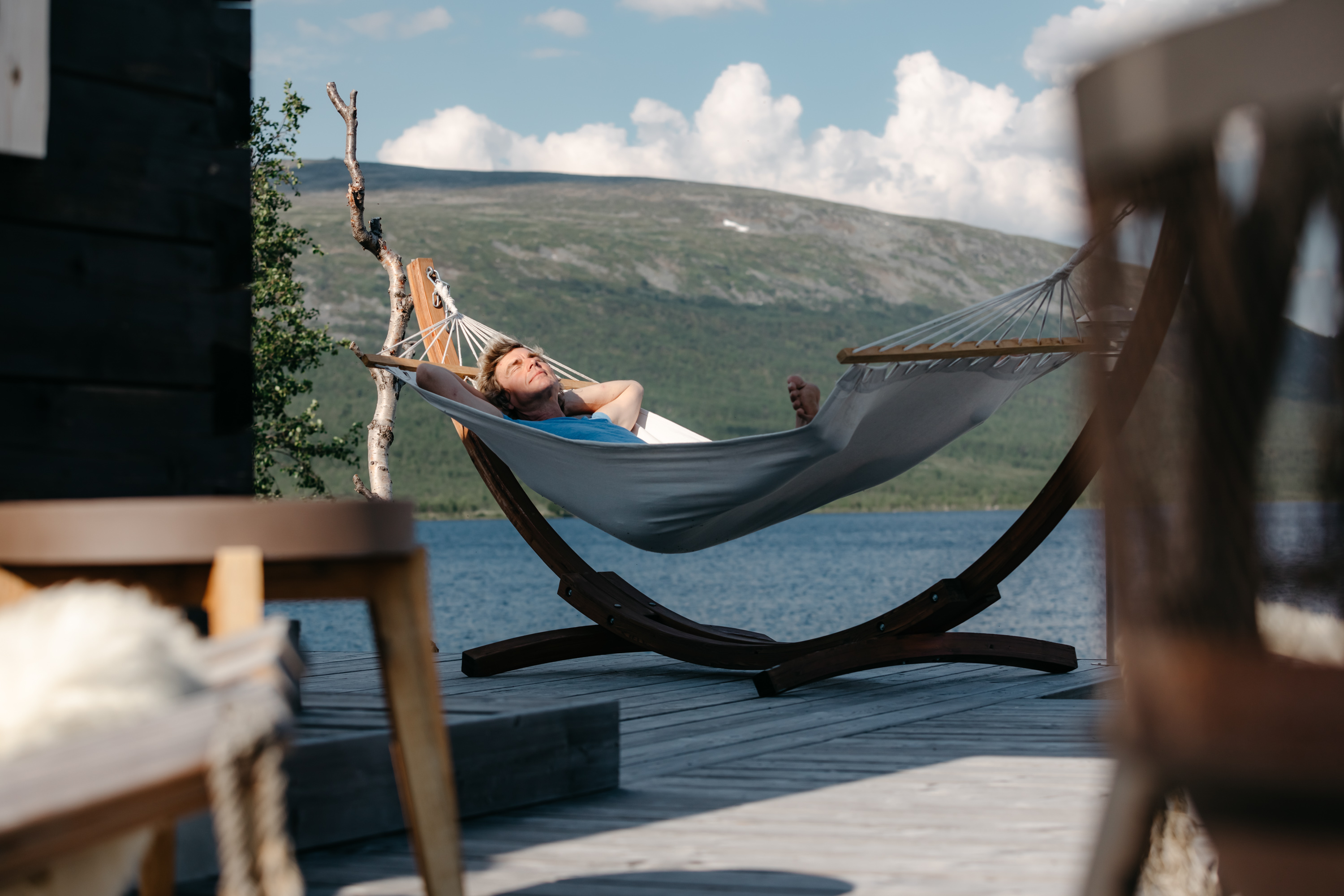
A Landscape of Fells, Open Horizons and Quiet Distances
At the far north-western edge of Finland, the landscape opens into clear lakes and rounded fells. This is Enontekiö, a municipality between Norway and Sweden and part of the traditional Sámi homeland. For travellers, it offers a rare sense of space and quiet, where villages are small, distances are long and the rhythm of life slows naturally.
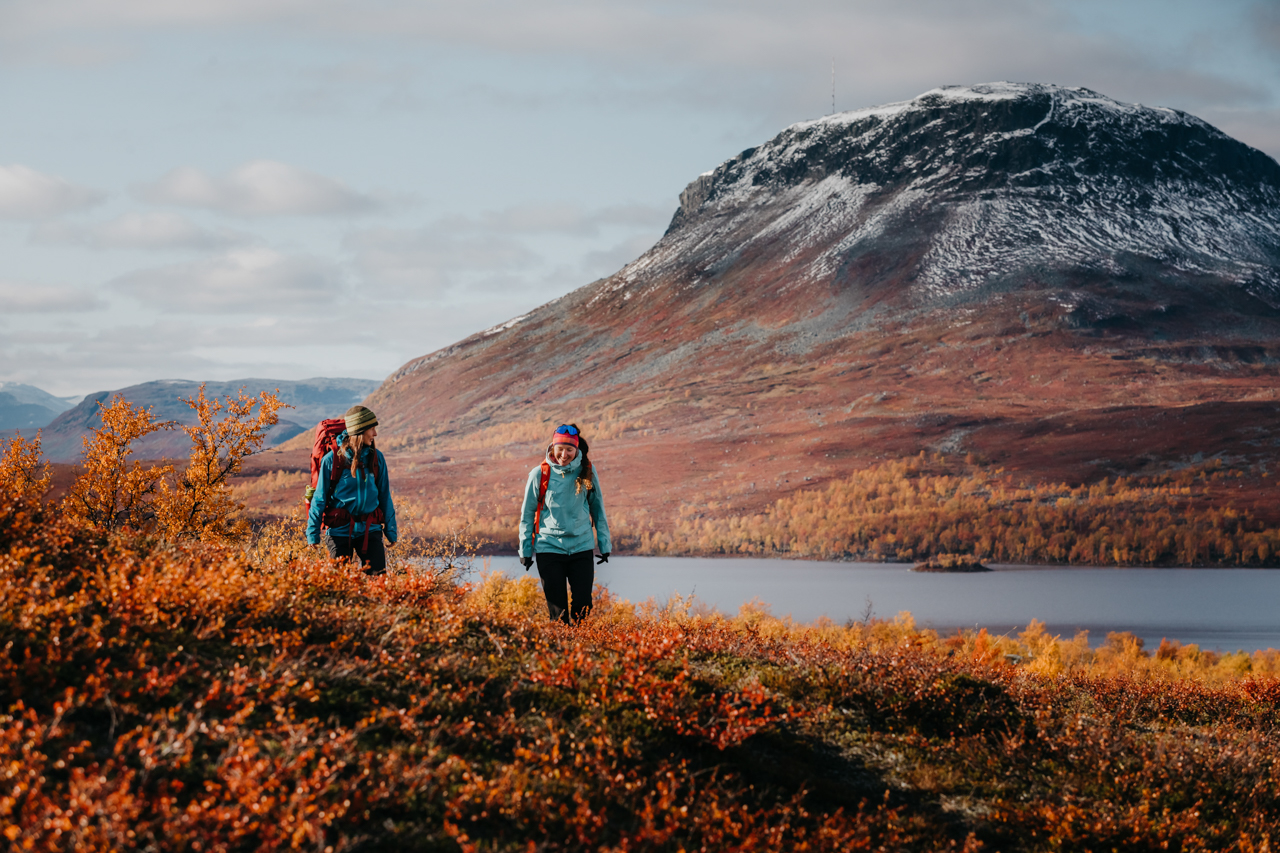
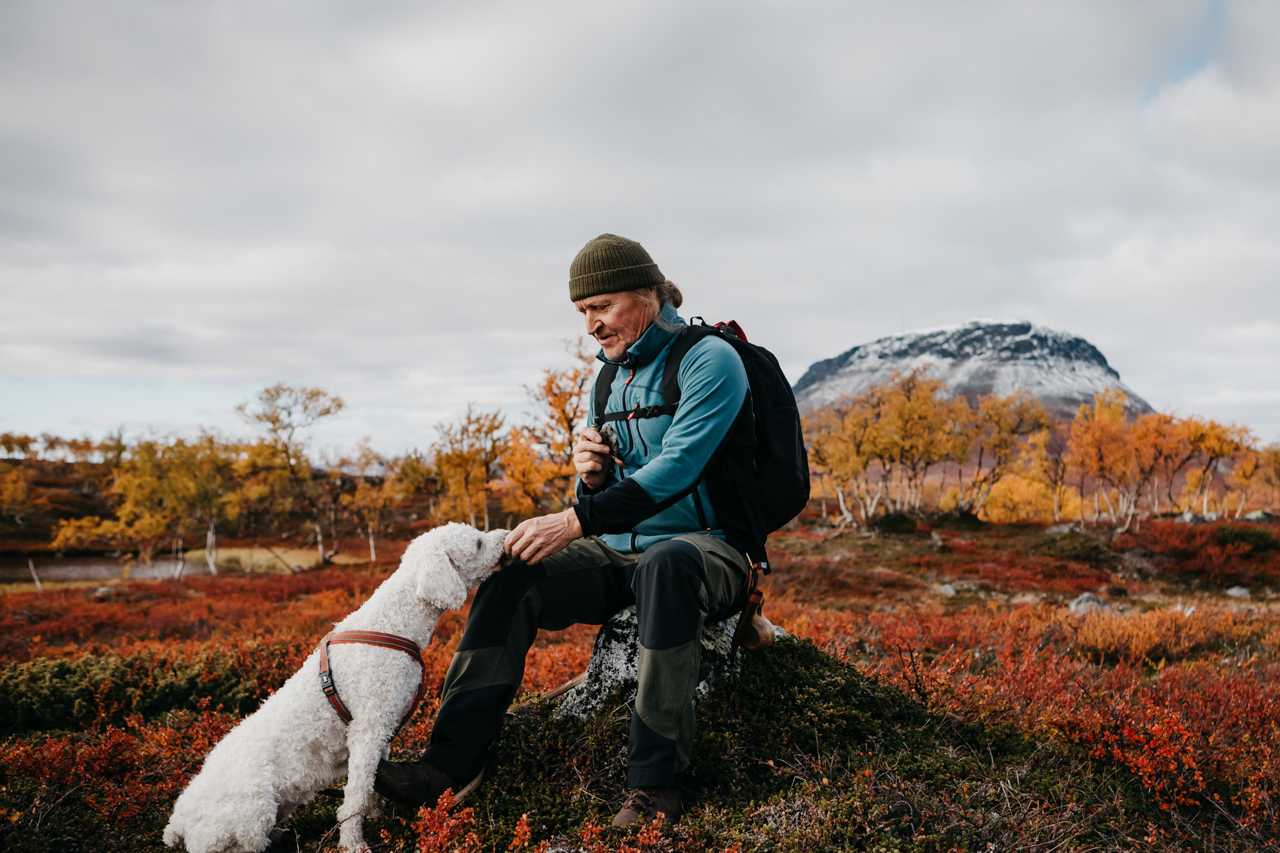
In late spring, the landscape shifts quickly as birdlife returns and the reindeer calving season marks the beginning of the Arctic summer. In summer, light defines everything. From late May to late July, the sun does not set in Enontekiö, and long evenings stretch past midnight, allowing days outdoors to continue without watching the clock. By September, darkness gradually returns, the tundra turns red and gold, and the first northern lights begin to appear again.
Most visitors explore Enontekiö through two centres: Kilpisjärvi in the north and Hetta further south. From both, routes lead into some of Finland’s most open and spacious fell landscapes.
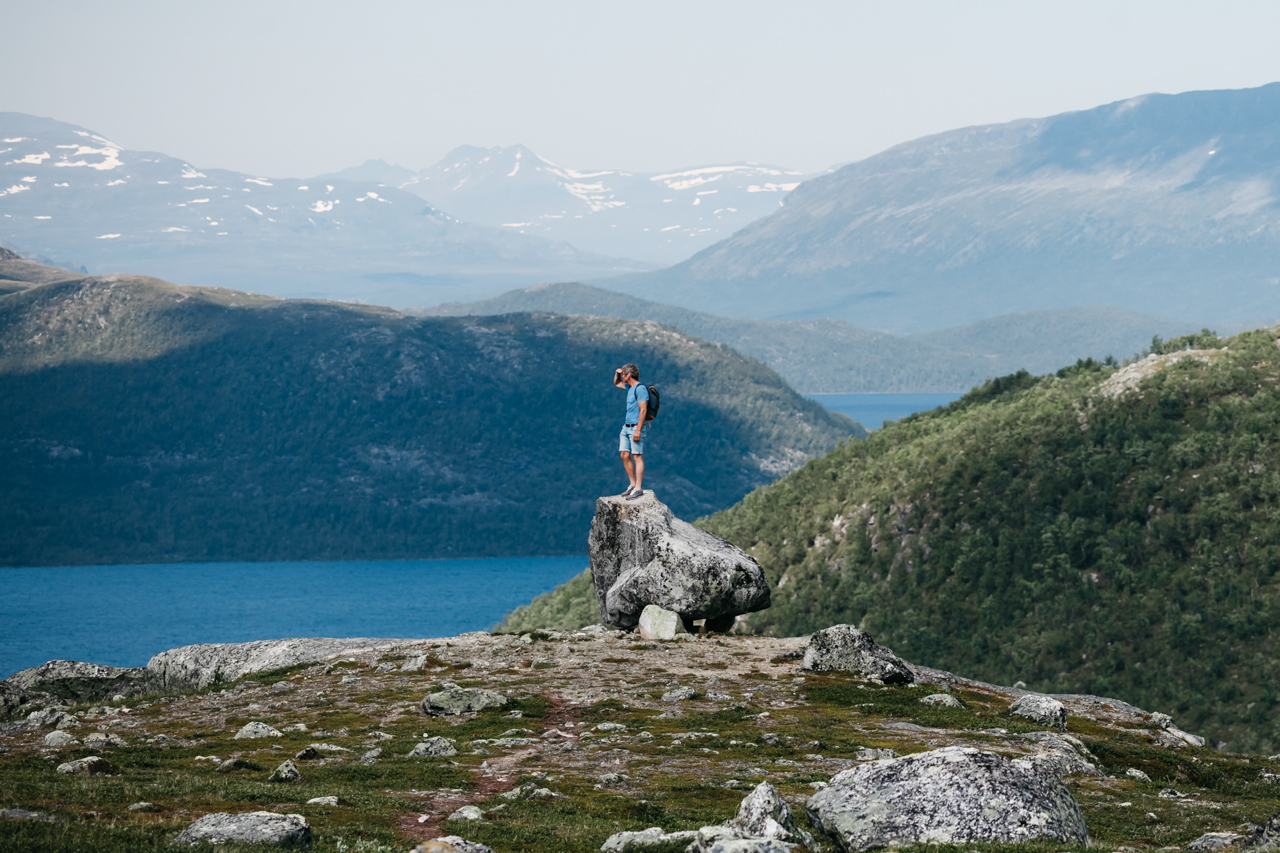
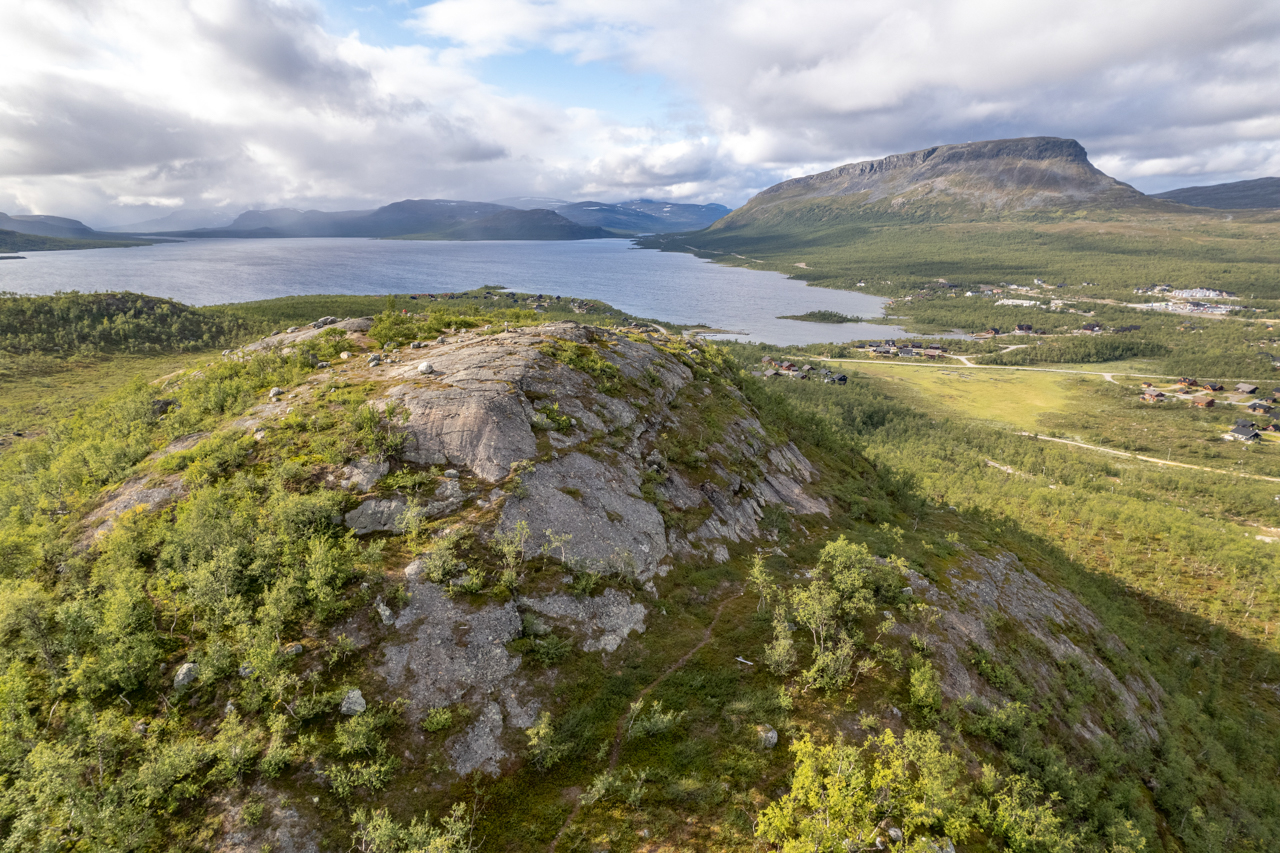
Kilpisjärvi and the Fell Lapland
The most recognisable landmark is Saana, a steep-sided fell that rises almost like a wall above the village. A marked trail leads to the summit, where the view opens across Finland, Sweden and Norway, revealing the scale of the surrounding landscape.
Nearby, the Malla Strict Nature Reserve offers one of Finland’s oldest protected areas, where a trail leads through rocky terrain to the Kitsiputous waterfall and onward to the Border Marker of Three Countries, Finland, Sweden and Norway. Kilpisjärvi also serves as a starting point for longer journeys toward Halti, Finland’s highest point, and along sections of the Kalottireitti trail network. The village itself remains small, yet the setting feels expansive in every direction.
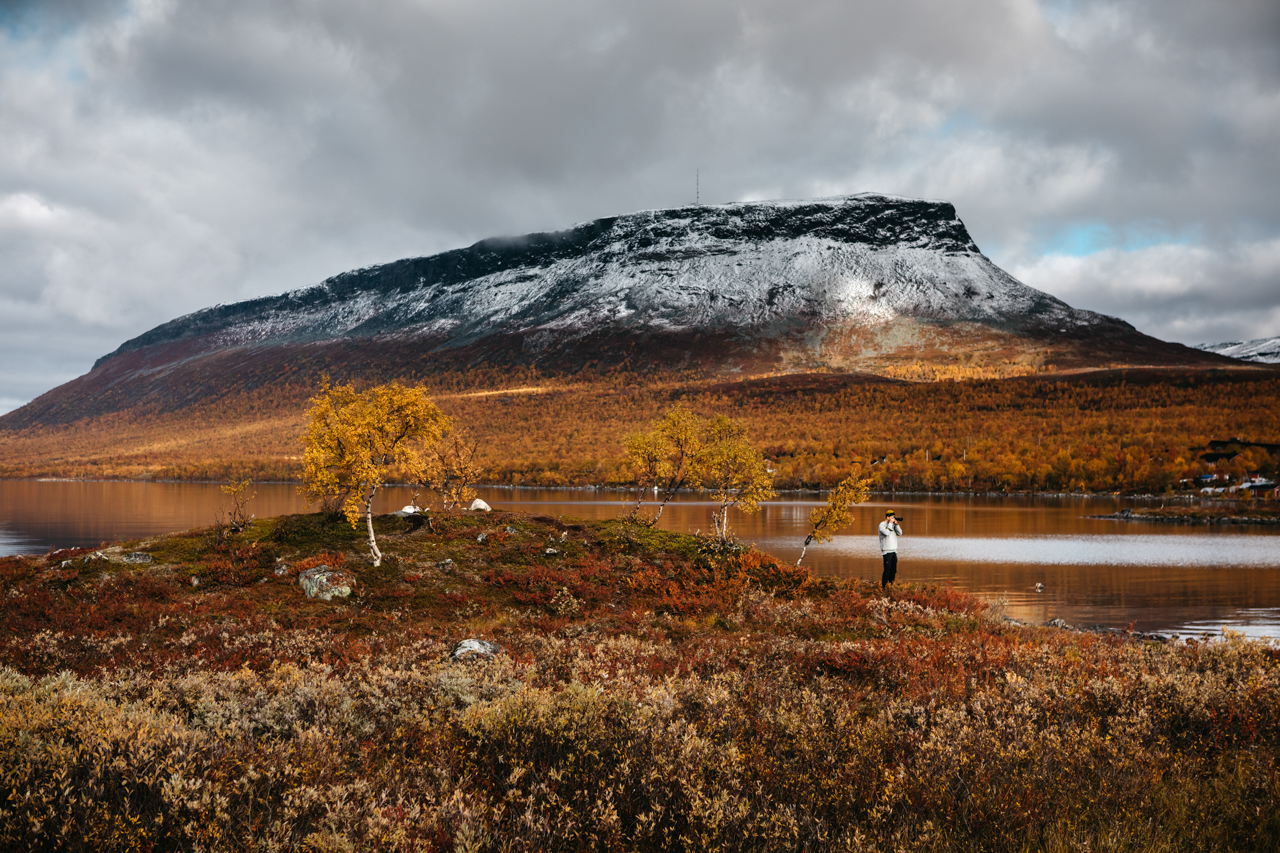
Hetta and the Pallas Gateway
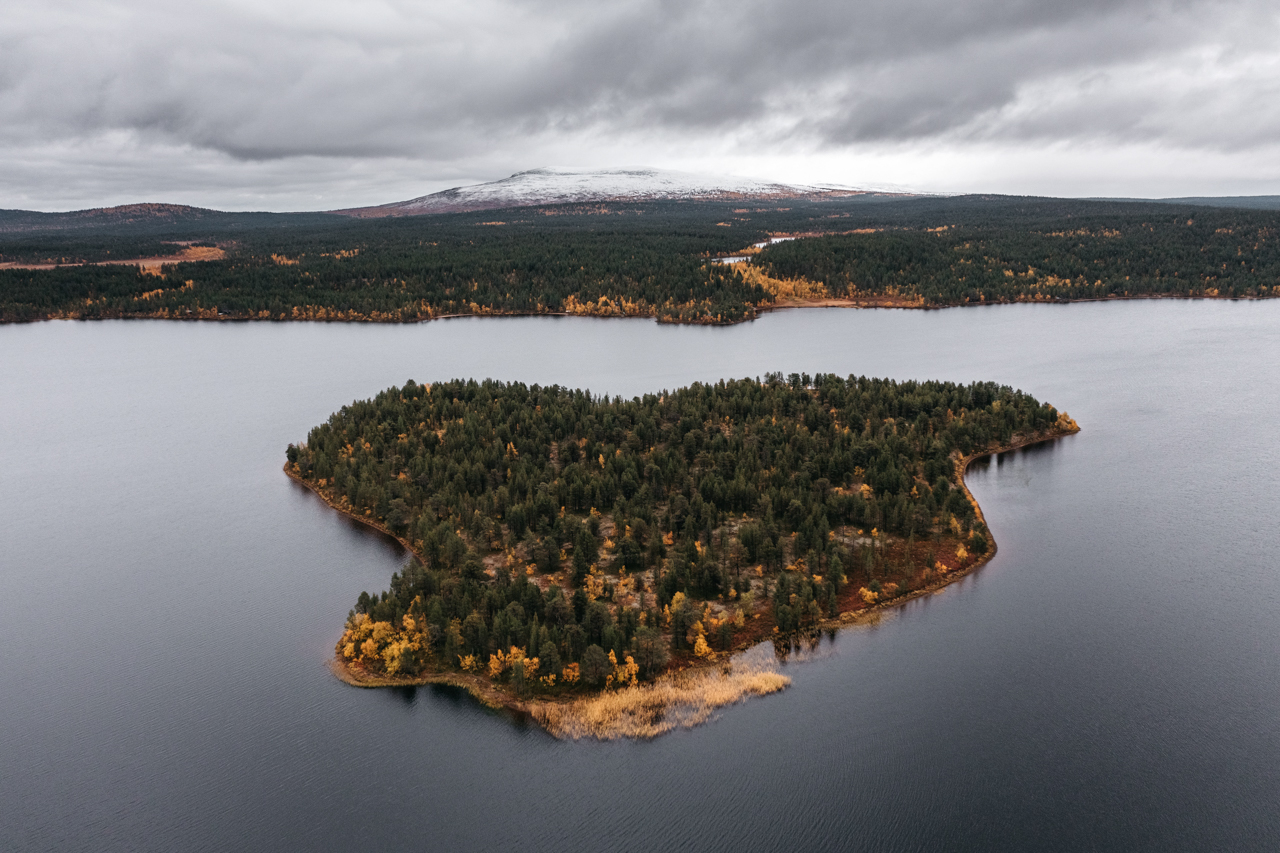
Hetta, the municipal center of Enontekiö, is set beside Lake Ounasjärvi, with the Ounastunturi fells rising across the water. There is a quiet rhythm here, shaped equally by local residents and travellers moving through the landscape.
Hetta is the starting point for the 55-kilometre Hetta–Pallas trail, one of Finland’s most well-known hiking routes. Many begin by crossing the lake before gradually ascending into open fell terrain. Those who do not wish to hike the entire 55-kilometer Hetta-Pallas trail can start their hike in the fells either from the Hietajärvi parking lot or from Vuontisjärvi.
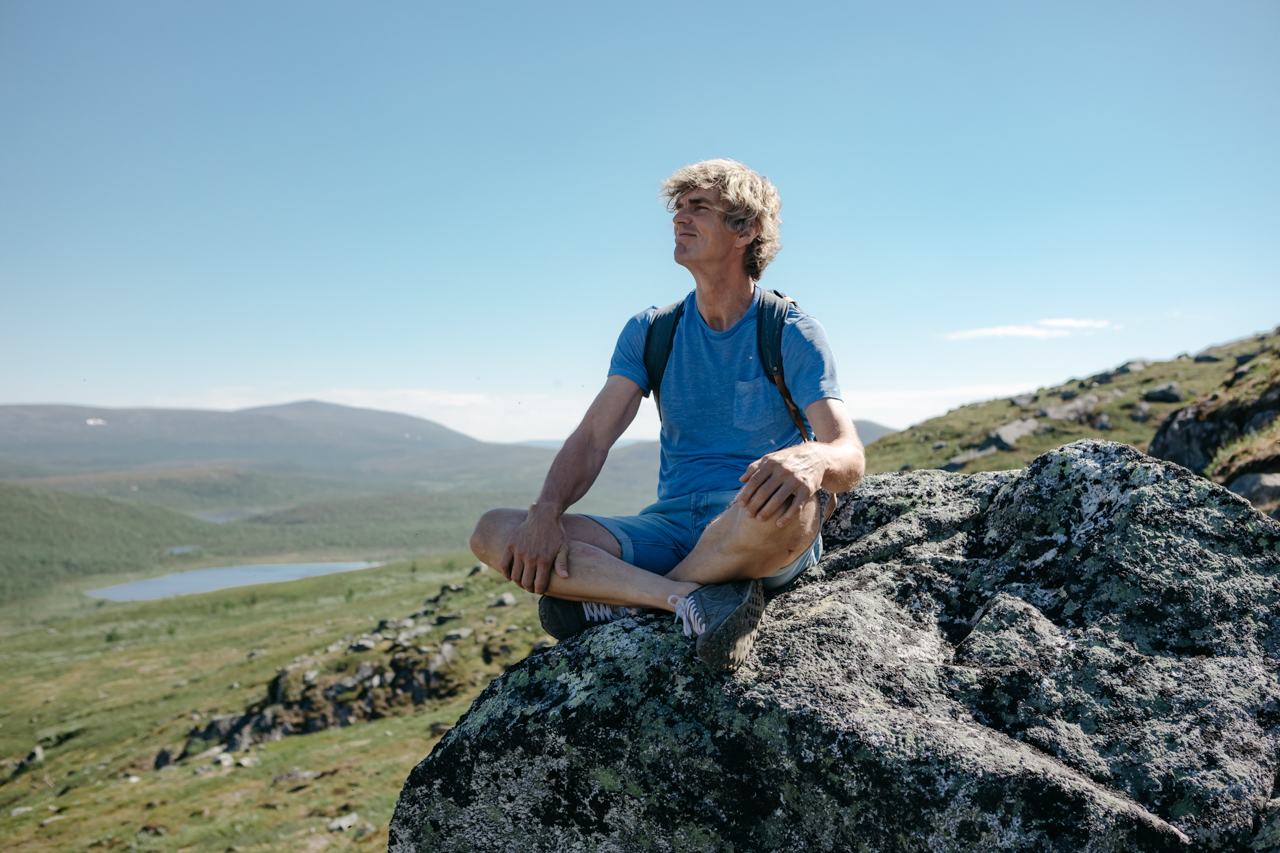
Shorter walks, such as the path to Jyppyrä, offer wide views over the lake and surrounding hills, making them easily accessible even on a short visit. In Enontekiö, there are several other hiking trails of varying lengths and many of them start behind the Tunturi-Lappi Nature.
In addition, the Tunturi-Lappi Nature Centre introduces the region’s nature and Sámi culture. For those interested in local history, there are other places to visit such as the Järämä fortification area and the Enontekiö local heritage museum.
Walking from Short Trails to Long Routes
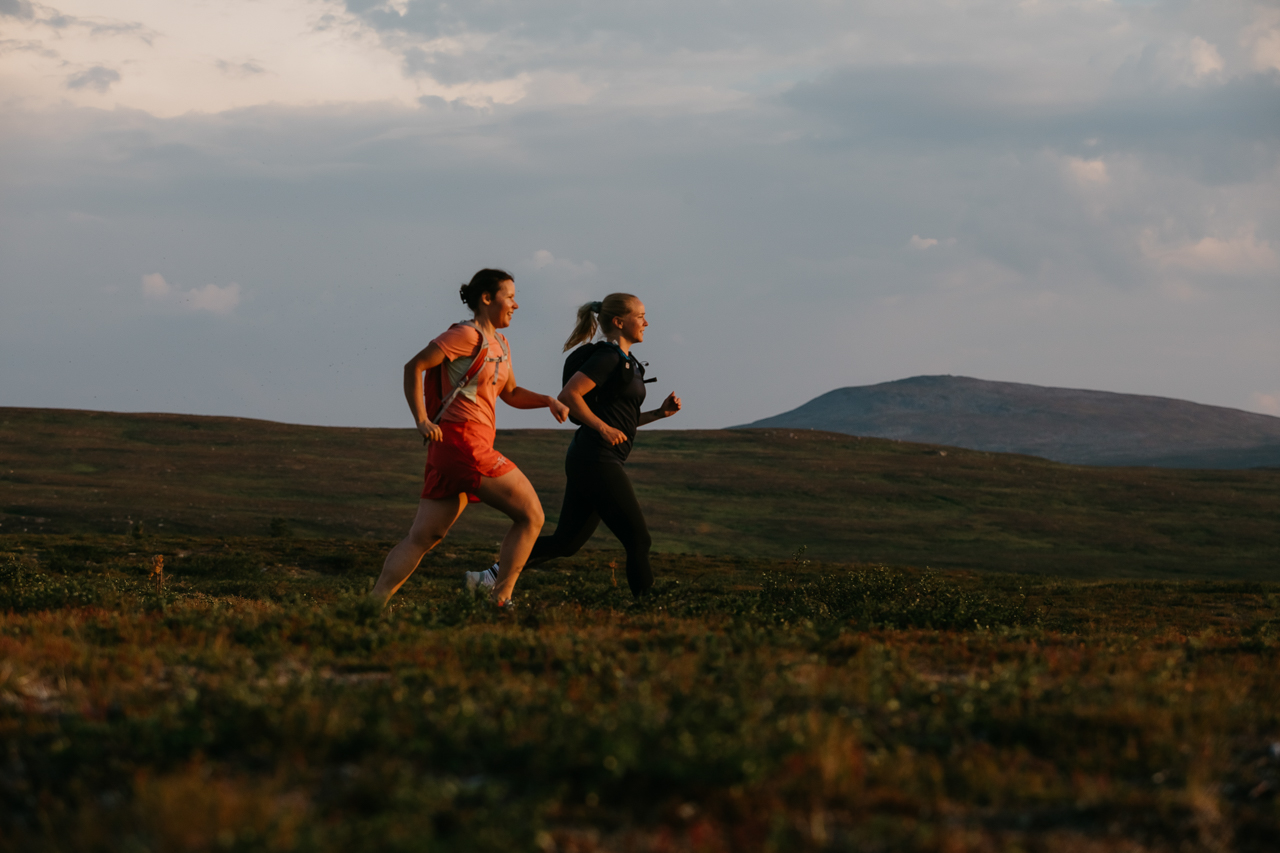
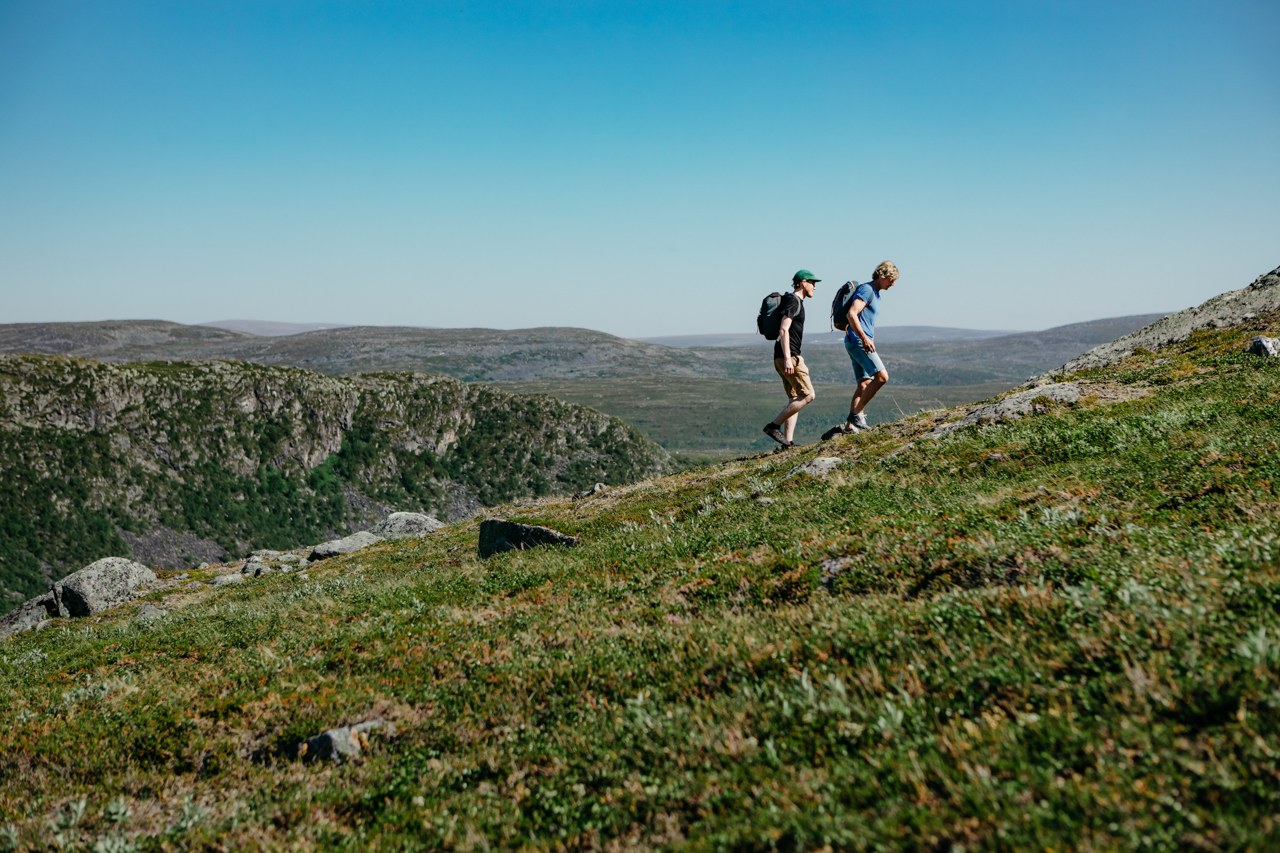
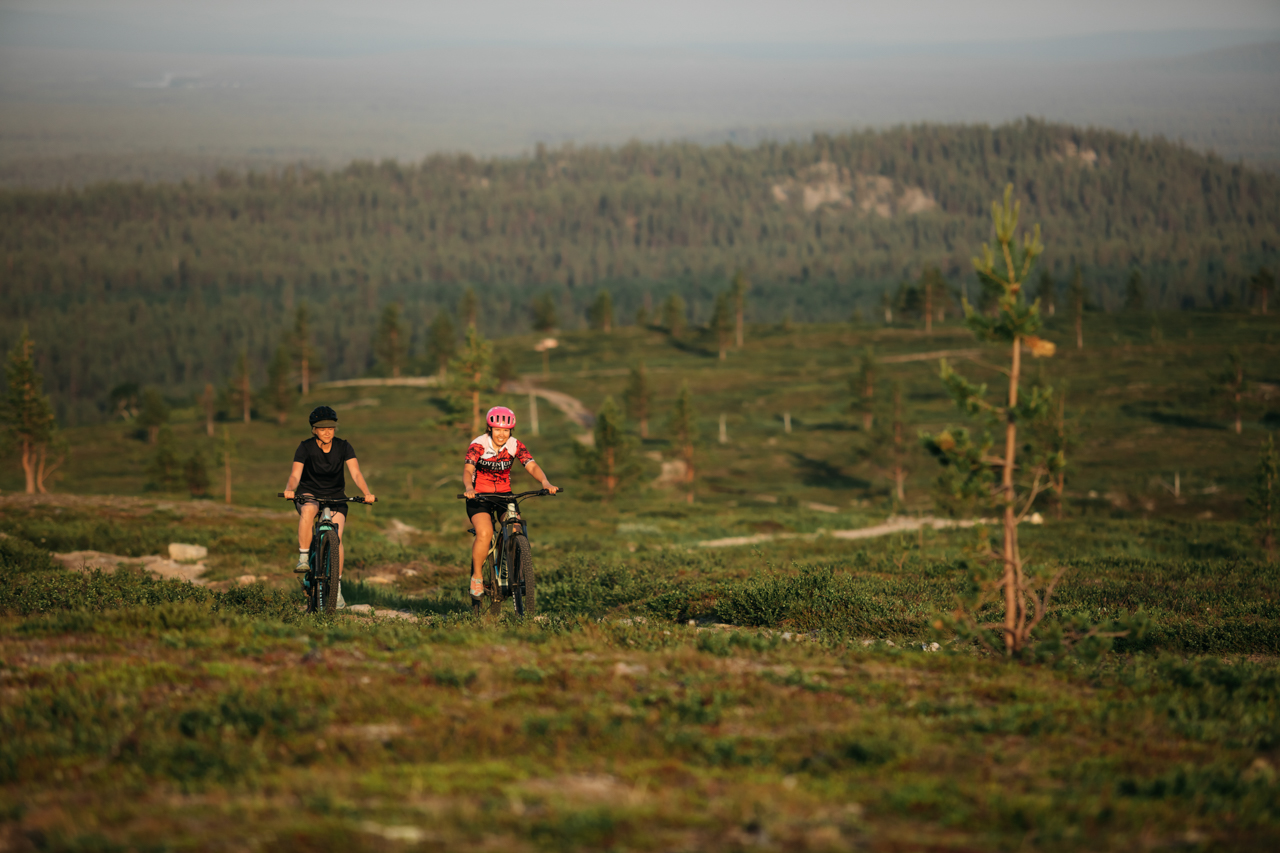
One of Enontekiö’s strengths is the range of routes available from the same small areas. In Kilpisjärvi, short walks such as Salmivaara and Tsahkaljärvi are complemented by longer routes like the climb to Saana or the trail through Malla. In Hetta, gentle climbs lead into wider networks that extend deep into national park and wilderness terrain.
This variety allows each journey to find its own pace. One day may be spent on a longer hike across open ridges, while the next follows a quieter path through birch forest or along a lakeshore. The landscape supports both shorter visits and extended wilderness travel.
Water, Wildlife and Outdoor Activities
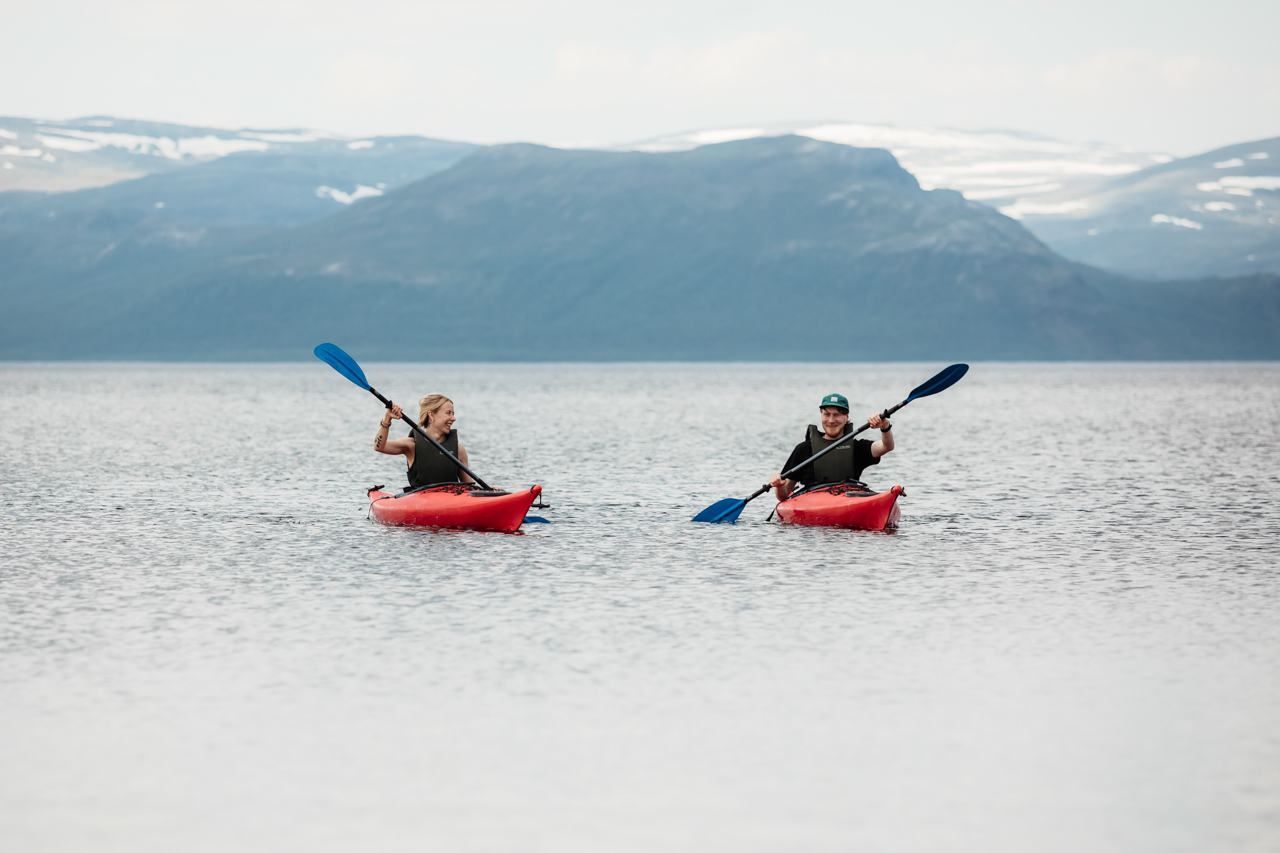
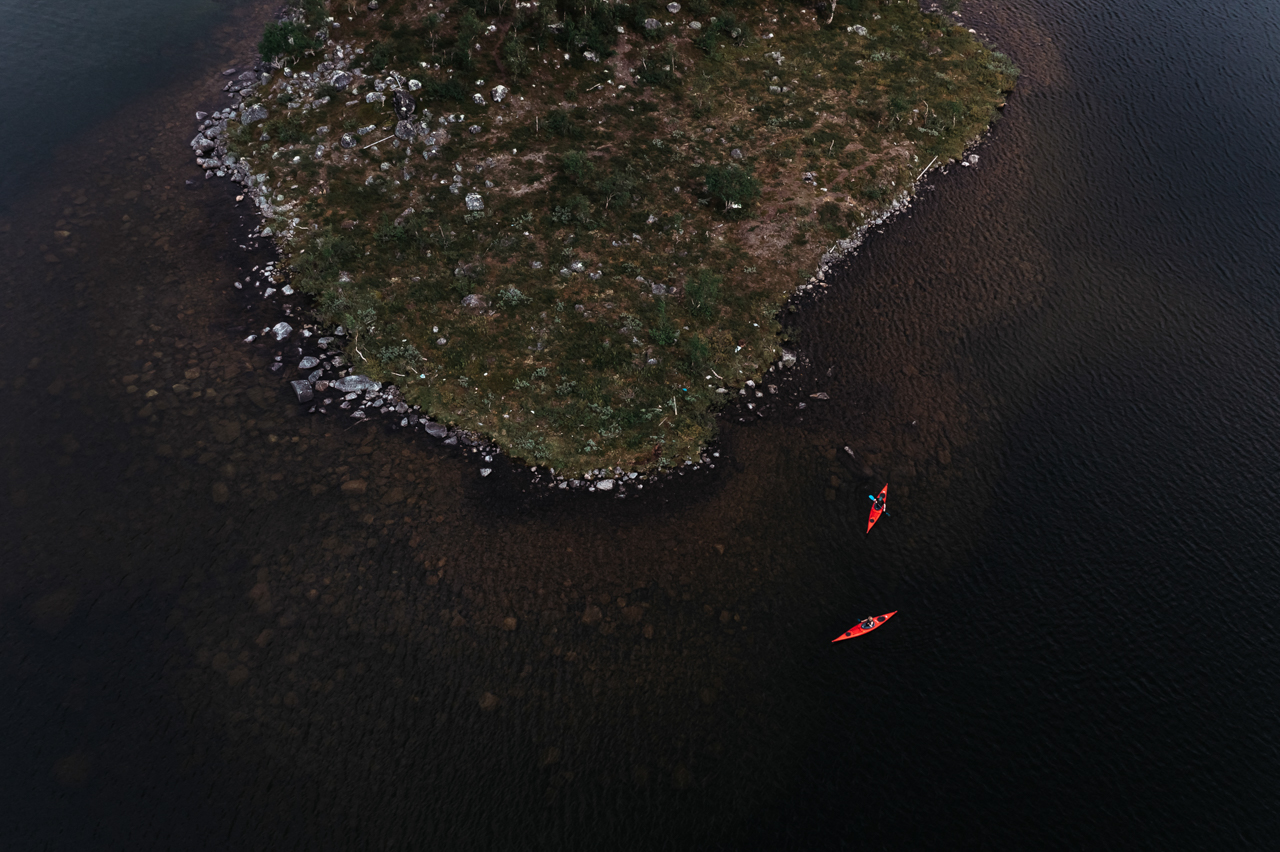
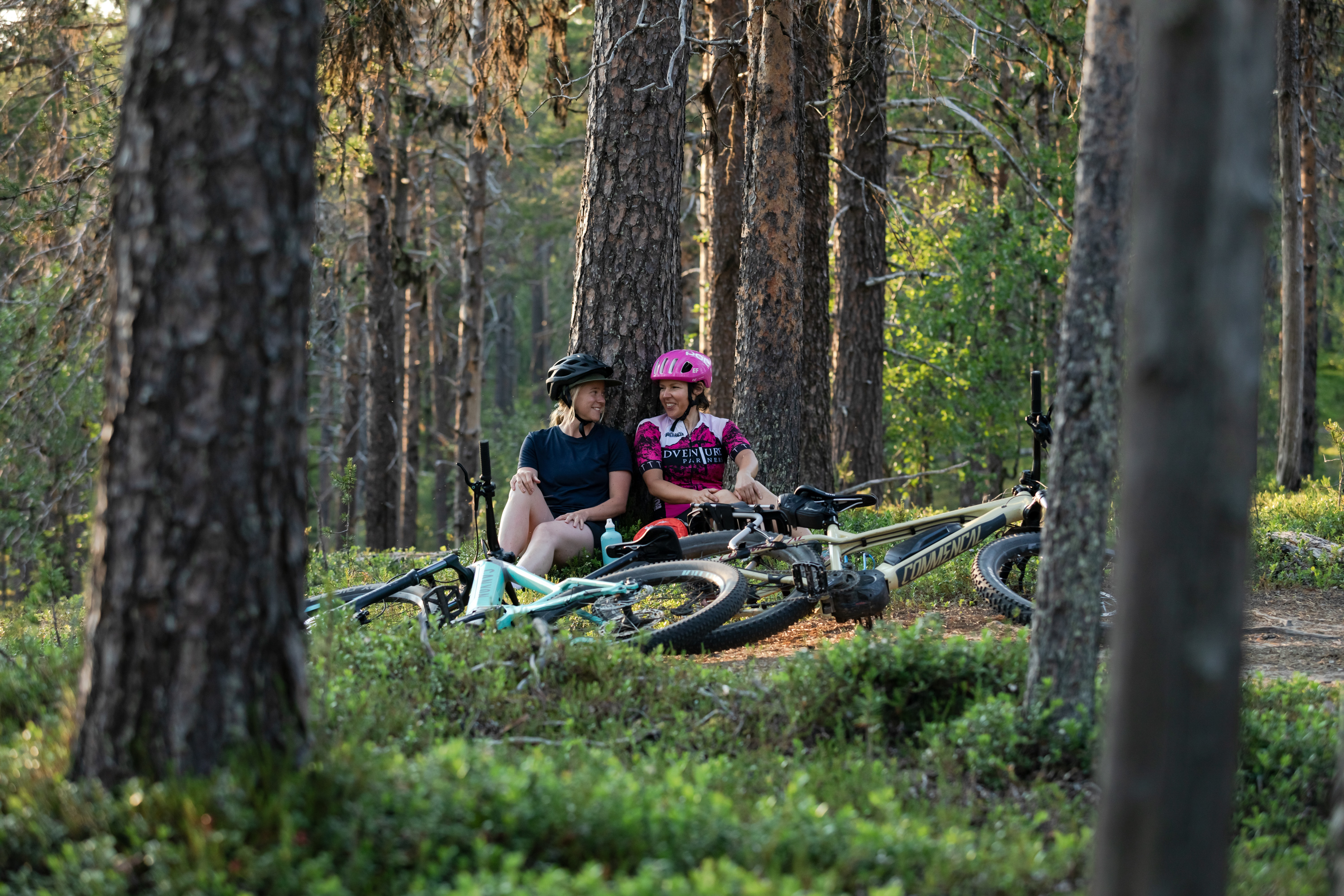
Although often defined by its fells, water is equally important in shaping the landscape. Lakes and rivers connect different parts of the region and bring movement into otherwise still surroundings. In summer, they also offer opportunities for canoeing, allowing travellers to experience the environment from a slower, water-level perspective.
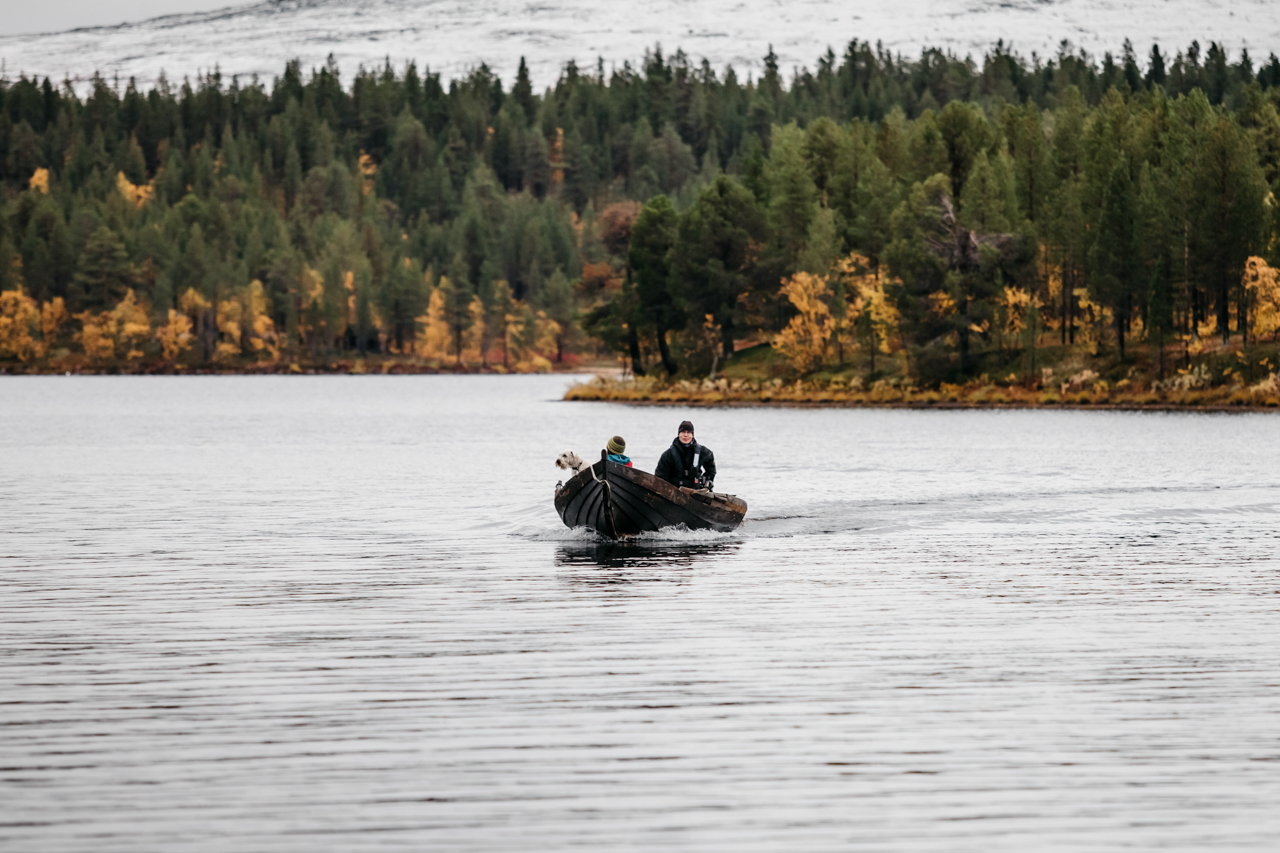
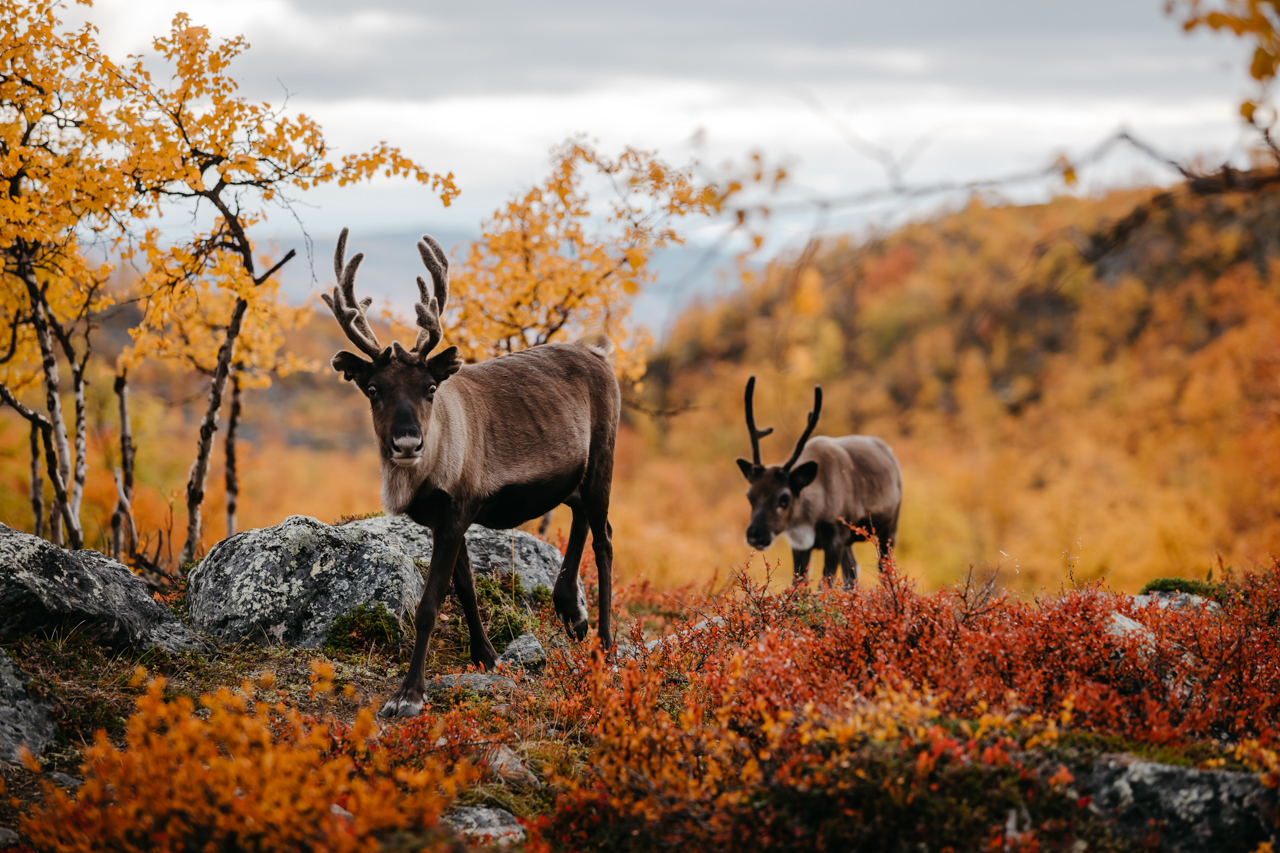
Wildlife tends to appear quietly rather than dramatically. Reindeer are a constant presence, moving across roads and open ground, while birdlife gathers around wetlands such as Sotkajärvi. Much of Enontekiö reveals itself gradually, rewarding those who take time to notice the details.
Sustainable Travel in a Living Arctic Landscape
In Enontekiö, nature is not simply a setting for travel, but the foundation of everyday life. The region is known for its clean air, clear waters and open space, yet what may appear untouched is in fact a living environment where people, animals and plants coexist.
With over 70 percent of the area protected, sustainability is not a separate idea but a natural part of how the region develops. Tourism is shaped by respect for the landscape, local culture and the limits of the environment. Many local businesses already follow responsible practices, and the municipality takes various aspects of sustainability into account in its tourism development measures.
For visitors, this is reflected in simple choices. Staying on marked trails, respecting wildlife and moving carefully through nature helps protect fragile ecosystems. Supporting local services, from guides to accommodation and handicrafts, also strengthens the connection between travel and the local way of life.
Sámi Culture in Everyday Life
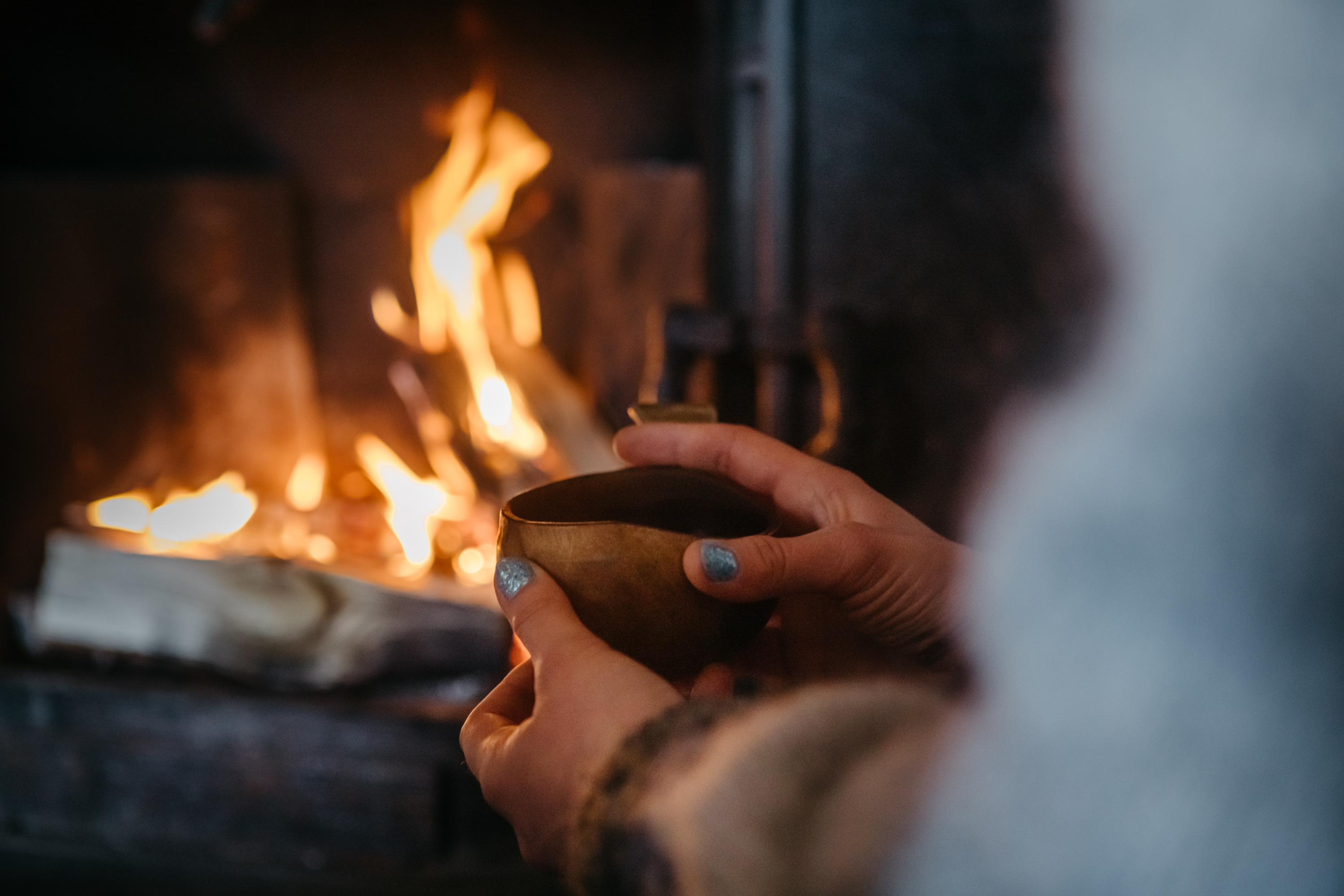
Enontekiö lies within Sápmi, the cultural region of the Sámi people, and this presence remains part of everyday life rather than a separate attraction. It is visible in livelihoods, language and traditions, as well as in the continuing role of reindeer herding.
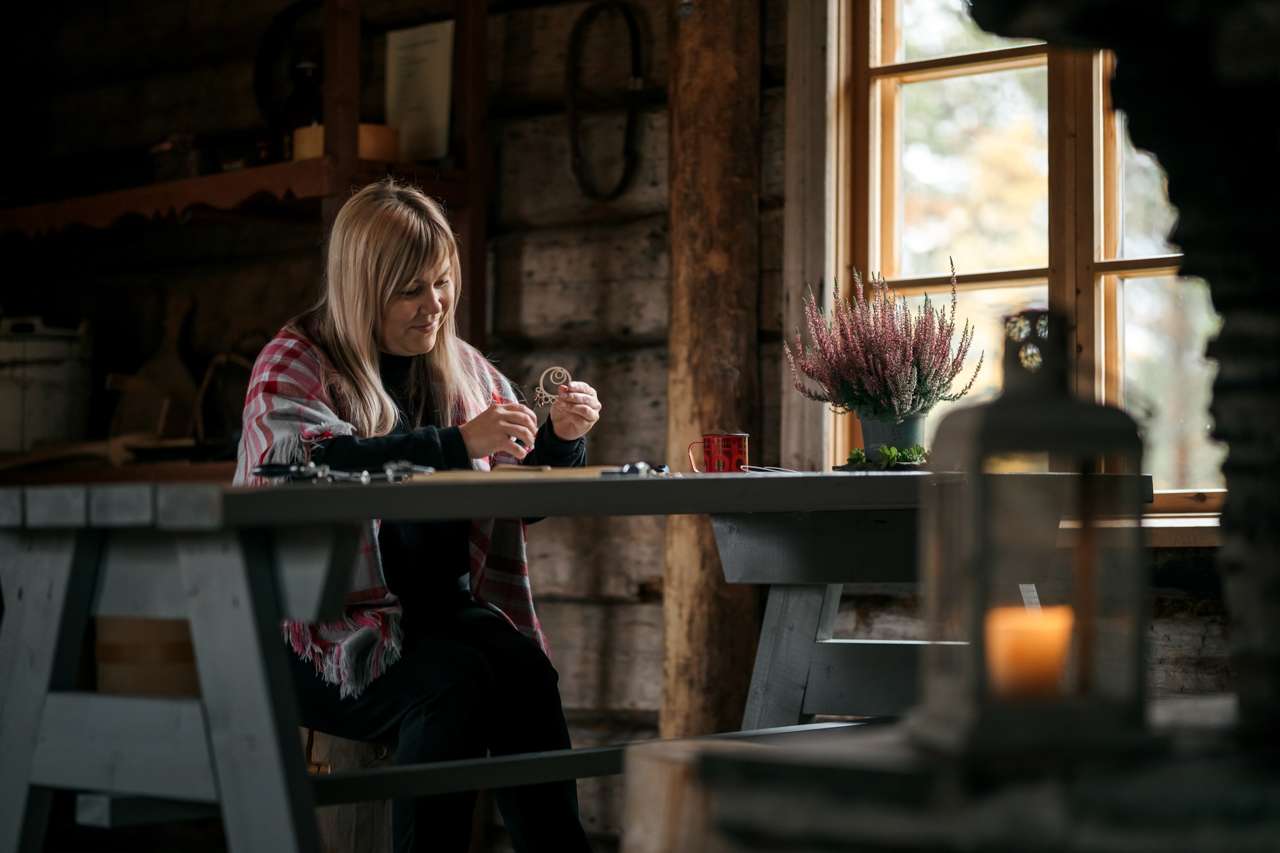
Visitors can gain a deeper understanding through the Tunturi-Lappi Nature Centre and through experiences offered by local Sámi-run businesses. Crafts, materials and techniques reflect a long connection between people and the northern environment.

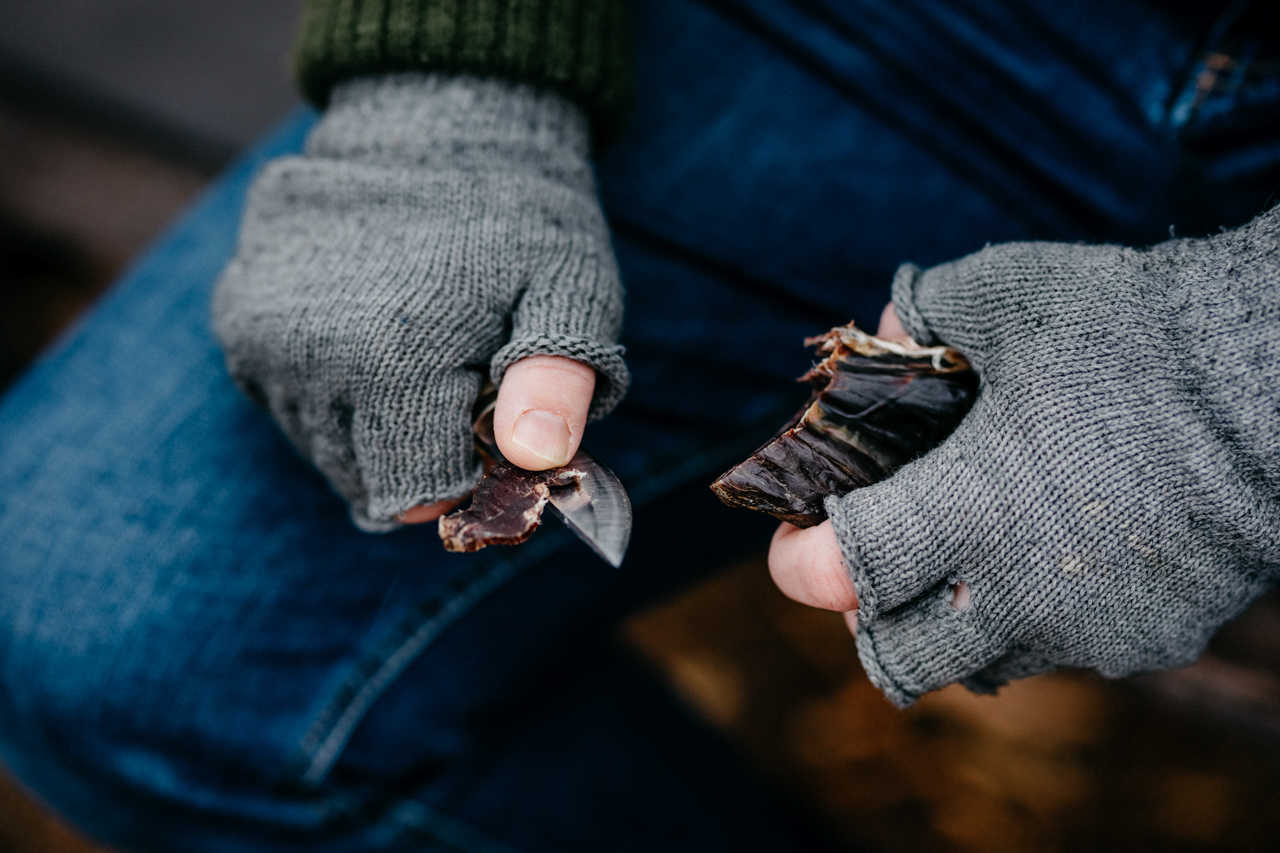
Local food is based on northern ingredients and a short growing season, with reindeer, fish such as trout or char, and seasonal berries commonly featured on menus.
A Northern Rhythm
In Enontekiö, it is easy to step away from everyday routines and focus on the essentials. With fewer distractions and wide open surroundings, time is not defined by schedules, but by light, weather and your own pace.
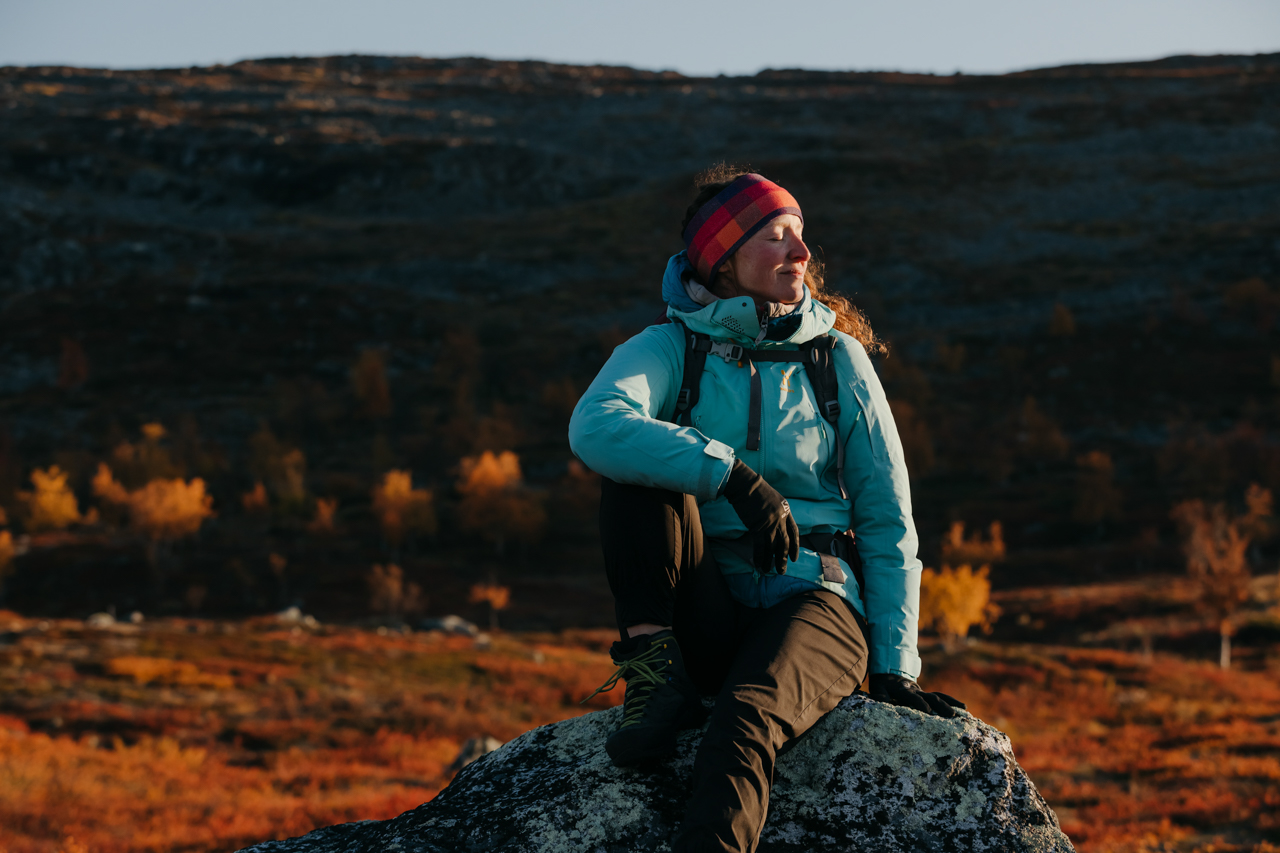
Days are spent outdoors, whether on a trail, by the water or simply taking in the landscape. In summer, the midnight sun allows you to stay outside late into the evening, while in early autumn, cooler air and changing colours bring a different kind of calm. There is no need to rush from one place to another. Instead, the experience builds naturally through simple moments in nature.
This slower rhythm is part of what makes Enontekiö different. It offers space to pause, to breathe and to enjoy the environment without pressure or noise.
How to Get There
Enontekiö can be reached by public transport as well as by car via several routes. Arctic Airport Enontekiö currently serves charter flights, while nearby airports with scheduled connections include Kittilä, around two hours south of Hetta, and Tromsø in Norway, about two hours north of Kilpisjärvi.
The road journey is straightforward and takes you through gradually more open landscapes as you move further north. Rental cars, buses and transfers are available from nearby airports, making it easy to continue to different parts of the region.